City guide

    Lang Co Town

    Lang Co Town

    About Lang Co Town

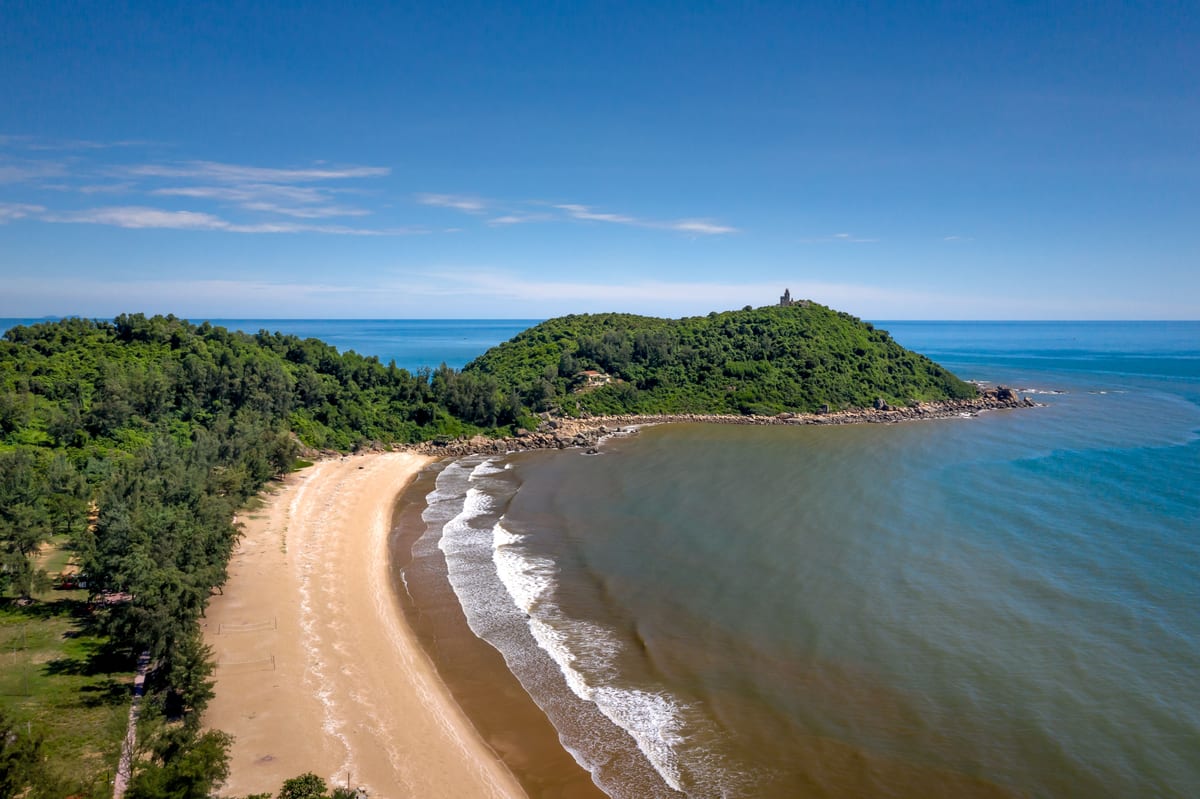
    A quiet coastal lagoon town between Hue and Da Nang, known for its long beach, mountain scenery, and easy access to Hai Van Pass.

    At a glance

    Country
    Vietnam
    Region
    Thua Thien Hue Province, Central Vietnam
    Recommended stay
    1-2 days
    Daily cost
    ≈ $55 / day
    Best time to visit
    Mar –⁠ Aug

    Before you go to Lang Co Town

    When to go

    Climate through the year

    Scroll to see all months

    Monthly rainfall and temperature
    MonthRainfall (mm)Temperature (°C)
    January12019–24
    February7020–25
    March5022–28
    April6024–31
    May9026–33
    June11026–34
    July9026–34
    August11026–34
    September25025–32
    October50023–29
    November45022–27
    December25020–25

    Spring (Feb–⁠Apr)

    Mild to warm weather with improving visibility; a good shoulder season for beach views and lagoon scenery. Central Vietnam can still see some late-season rain, but conditions are generally better than the wettest months.

    Comfortable for sightseeing, fewer crowds than peak summer, and good value before the main dry-season rush.
    Occasional drizzle or lingering showers can still happen in central Vietnam.

    Ideal for: Beach walks, lagoon viewpoints, Hai Van Pass day trips, and relaxed coastal stays.

    Pack: Light layers, sun protection, and a compact rain jacket.

    Summer (May–⁠Aug)

    Hot, humid weather with stronger sunshine; this is a popular beach season in central Vietnam, though rain can increase later in the period.

    Best for swimming, beach time, and clear coastal scenery on dry days.
    Heat and humidity can be intense; afternoon showers are possible, especially toward late summer.

    Ideal for: Beach resorts, early-morning outings, and water activities.

    Pack: Breathable clothes, sandals, sunscreen, hat, and a rain shell.

    Autumn (Sep–⁠Nov)

    Transition season with rising rainfall risk in central Vietnam; September can still be workable, but October and November are often wetter and more storm-prone.

    Lower prices and quieter stays outside holiday periods.
    Higher chance of heavy rain, rough seas, and weather disruptions in central Vietnam.

    Ideal for: Flexible travelers, spa stays, and short-notice beach breaks when forecasts are favorable.

    Pack: Quick-dry clothing, waterproof bag, and sturdy footwear.

    Winter (Dec–⁠Jan)

    Cooler, breezier, and often one of the more comfortable times for central Vietnam; rainfall usually eases compared with the late-autumn peak.

    Pleasant temperatures, easier walking, and generally better conditions for sightseeing.
    Sea conditions can be less ideal on windy days, and some days may still be overcast.

    Ideal for: Scenic drives, coastal photography, and relaxed resort stays.

    Pack: Light jacket, long pants, and comfortable walking shoes.

    Daily budget

    Low season / day
    $25 –⁠ $45 (rainier months, excluding accommodation)
    Peak season / day
    $40 –⁠ $70 (dry/holiday periods, excluding accommodation)
    Cash
    Carry 500,000 –⁠ 1,000,000 ₫ (~$20 –⁠ $40) in small bills for taxis, local food, and small shops.
    Exchange
    $1 ~ 25,500 ₫ (March 2025 mid-market rate); use banks or licensed exchange counters for better safety and transparency.
    ATMs
    Available in nearby tourist hubs and towns; expect a small withdrawal fee, often around 20,000 –⁠ 50,000 ₫ per transaction depending on the bank.
    Cards
    Moderate - cards are commonly accepted at resorts, hotels, and larger restaurants, but cash is still preferred at local eateries, markets, and small services.

    Events & festivals

    • Tet (Lunar New Year)

      Late Jan or Feb (varies by lunar calendar)

      Flower markets, family gatherings, temple visits, and festive food.

      Tip: Book transport and accommodation early; many businesses close for several days, so keep cash and snacks on hand.

    • Hue Festival

      Typically held in late April or June in alternating years

      Major cultural performances, royal-themed events, and heritage showcases in the Hue area, within reach of Lang Co.

      Tip: Check the official schedule before traveling, as dates and programming vary by edition.

    • Mid-Autumn Festival

      Sep or Oct (Lunar Calendar 15/8)

      Lantern displays, mooncakes, and family celebrations in nearby towns and cities.

      Tip: Best experienced in larger nearby centers like Hue or Da Nang if you want the fullest festive atmosphere.

    Getting there

    How to reach Lang Co Town from abroad or within Vietnam.

    Arriving internationally

    • The nearest major international gateways are Da Nang International Airport (DAD) and Phu Bai International Airport in Hue (HUI); Lang Co Town sits between Da Nang and Hue on Vietnam’s central coast.
    • From either airport, the most practical onward options are taxi, ride-hailing, private transfer, or a pre-booked car via the Hai Van Pass corridor.
    • If you are arriving internationally, fly into Da Nang or Hue first, then continue by road or rail to Lang Co.

    From within the country

    • Lang Co is on the main North-South rail line, and Vietnam Railways’ Hue–⁠Da Nang scenic heritage trains stop at Lang Co Station.
    • The town is also reachable by intercity bus, private car, or motorbike from Da Nang, Hue, and Hoi An via National Highway 1A and the Hai Van Pass route.
    • From Da Nang, the drive is roughly 1.5 to 2 hours depending on traffic and route; from Hue, it is typically around 1 to 1.5 hours by road.
    • For a scenic trip, many travelers combine the Hai Van Pass with a stop in Lang Co for seafood or lagoon views.

    Booking & arrival tips

    • Book train seats early if you want the Hue–⁠Da Nang scenic route, especially on weekends and holidays.
    • Use a private transfer or taxi if arriving late, because public transport options become limited after dark.
    • If you are traveling solo and want flexibility, a motorbike day trip is popular, but only if you are experienced and comfortable with mountain-road conditions.
    • Keep small cash in Vietnamese dong for local taxis, snacks, and short rides.
    • Download offline maps before arrival because mobile signal can be patchy in some coastal and mountain stretches.

    Getting around

    Grab / Xanh SM / Be

    App-based motorbike or car rides for getting around Lang Co and nearby Da Nang/Hue. About $2 –⁠ $8 for short local trips; higher for intercity transfers.

    Taxi

    Metered taxis or pre-booked cars; best for airport transfers and luggage. About $5 –⁠ $15 for local and short intercity hops.

    Train

    Best for the scenic Hue–⁠Lang Co–⁠Da Nang corridor and longer north-south travel. Low to moderate; varies by class and route.

    Motorbike rental

    Flexible for the Hai Van Pass and lagoon viewpoints; only for confident riders. About $6 –⁠ $12 / day.

    Local bus / intercity coach

    Good for cost-conscious travelers, but less convenient than rail or taxi for Lang Co specifically. Budget option; usually the cheapest.

    Good to know. For solo travelers, the best mix of value and convenience is usually train plus Grab/taxi for the last mile; avoid riding the Hai Van Pass in heavy rain or after dark.

    Handy apps

    Google Maps

    Navigation and offline route planning.

    Download offline maps for Lang Co, Hue, and Da Nang before you travel.

    Grab

    Transportation (motorbikes, cars) and food delivery in many Vietnamese cities.

    Use Grab for airport transfers and short hops to/from Lang Co when available.

    Xanh SM

    Electric taxi and ride-hailing.

    Useful for quieter, app-based rides in central Vietnam.

    Be

    Transportation (motorbikes, cars).

    Check both Be and Grab for price comparison before booking.

    Vietnam Railways

    Train schedules and ticketing reference.

    Use it to check rail options for the Lang Co Station stop on the Hue–⁠Da Nang line.

    Klook

    Tours and transfers.

    Good for booking Hai Van Pass day trips or private transfers if you want a fixed price.

    Backup. Carry a screenshot of your hotel address in Vietnamese and a paper note with your destination, because some drivers may not read English well.

    Health & safety

    Medical facilities

    • Hue Central Hospital
      +84 234 3822325

      16 Le Loi, Hue City

      Major public hospital with emergency department; best higher-level option near Lang Co.

    • Vinmec Da Nang International General Hospital
      0236 3711 111

      30 Thang 4 Street, Hoa Cuong Ward, Da Nang City

      International-standard private hospital; 24/7 emergency department.

    • Hoan My Da Nang Hospital
      +84 23 6365 0676

      291 Nguyen Van Linh, Thanh Khe Ward, Da Nang City

      24-hour hospital; useful for private care and faster access.

    Staying safe

    General safety
    Beware of pickpockets in crowded areas like markets and tourist spots; keep valuables secure on beaches, in buses, and at roadside stops.
    Notes
    Avoid tap water (use bottled), watch traffic when crossing streets, and be extra cautious on the Hai Van Pass and coastal roads in wet weather.
    What to carry
    Comfy shoes, water bottle, basic meds (painkillers, antidiarrheal, mosquito repellent).
    Lost items
    Nearest local police
    • Carry hand sanitizer for street food.
    • Use sunscreen and hats in summer.
    • Rest if feeling overwhelmed by heat or crowds.
    • Carry your insurance card and passport for faster service.
    • Call ahead for emergencies to save time.
    • For serious emergencies, go to Hue or Da Nang rather than relying on small local clinics.
    • Beware of pickpockets in crowded areas like markets and tourist spots.
    • If you need urgent help, call 112, 113, 114, or 115 depending on the situation.
    • Keep your hotel address written in Vietnamese for taxis, police, or hospital visits.

    Local customs

    Etiquette & local habits

    • Dress modestly when visiting temples or local religious sites; cover shoulders and knees.
    • Seafood is a highlight here, but ask for prices before ordering at casual beach stalls.
    • Use steady, predictable movements when crossing roads; scooters often flow around pedestrians.
    • A polite greeting and a smile go a long way; service is usually friendly but relaxed.
    • If you visit fishing or lagoon areas, avoid disturbing nets, boats, or working locals.

    When the city is open

    Beach and lagoon areas stay active into the evening; many attractions and viewpoints are best visited before sunset, while seafood and resort dining can run later.