Table of Contents13 sections
People keep asking me for "the perfect Vietnam itinerary," and honestly there isn't one, there's just the trip that fits how much time and patience you have. I had 14 days, a budget that made me wince twice, and a stubborn refusal to fly everywhere just to save time. So this is the route I actually ran: land in Hanoi, go straight up to Sapa for two nights, come back down to Hanoi and actually let myself enjoy it this time, over to Ninh Binh, an overnight train south to Hoi An, and finally Ho Chi Minh City to fly home.
It isn't the easiest 14 days of my life. I got soaked once, missed a bus, and ate the same bowl of pho three days in a row because it was that good. But it's the itinerary I'd actually hand to a friend, so here it is with the real details: where I slept, how I actually got between places, what I'd skip, and what I underestimated the first time I wrote this up.
A quick note before you dive in: prices in Vietnam move fast, especially entrance fees, tour packages, and flights. Where I quote what I personally paid, I've said so. Where I've updated a number to reflect current pricing, I've flagged that too, since it may shift again by the time you go. Booking links below are mostly Google Maps searches (so you can find the exact place and check current listings yourself) rather than direct booking links, since those tend to go stale fast. I've noted the platforms I actually used to book where relevant.
Trip at a Glance
Days | Region | What I Did There |
1 | Hanoi (arrival) → overnight train to Lao Cai | Land at Noi Bai, overnight train straight up north |
2 to 3 | Sapa | Muong Hoa valley trek, Cat Cat & Ta Van villages, Silver Waterfall, Heaven's Gate |
4 to 6 | Hanoi | Old Quarter, food crawl, Train Street, three full days this time |
7 to 8 | Ninh Binh | Tam Coc boat ride, Hang Mua, Trang An, Thung Nham Bird Park |
8 (night) | Ninh Binh → Da Nang | Overnight train south |
9 to 10 | Hoi An | Ancient Town, lantern night, cao lau, one beach afternoon |
11 to 14 | Ho Chi Minh City | City exploring, a day trip out of town, flight home |
The total I actually spent, not counting the international flight in: around $780 to $1,000 for 14 days. Full breakdown near the end.
Day 1: Arrival, Then Straight Up to Sapa
I landed at Noi Bai around 10 PM and made the mistake every first-timer makes, which is trying to negotiate a taxi price at the arrivals hall instead of just booking a Grab through the app. Lesson one, learned in the first twenty minutes: use the app, it's cheaper and nobody yells at you.
Rather than checking into a Hanoi hotel for the night, I headed into the city to catch a late-night Sao Viet sleeper bus directly to Sapa. It was still a little brutal after a long flight, but I preferred getting the long transfer out of the way overnight rather than spending another day moving between Hanoi, Lao Cai, and Sapa. By morning, I'd be in the mountains and could start the trip properly.
City Note, Hanoi (transit): If your flight lands very late and you'd rather not go straight onto a sleeper bus, it's completely reasonable to book one night in Hanoi and leave for Sapa the following morning. I pushed through because I wanted to save the extra day, but there's no prize for suffering through it.
Transport:
Grab from Noi Bai Airport into Hanoi: Book through the app before leaving the arrivals area. I paid roughly $10 to $15 depending on traffic and time of day.
Sao Viet sleeper bus from Hanoi to Sapa: The direct journey takes roughly 6 to 6.5 hours. I paid 470,000 VND (about $18) for my ticket. Sao Viet lists departures throughout the day and into the late evening, with services running from Hanoi Old Quarter directly to Sapa Town Center.
No Lao Cai transfer needed: Because Sao Viet runs directly from Hanoi to Sapa, you can skip the train to Lao Cai and the additional shuttle or taxi up the mountain. That makes the sleeper bus a much simpler option if you're trying to maximize your time in northern Vietnam.
Day 2 to 3: Sapa

I arrived in Sapa early in the morning, bleary-eyed but happy to have skipped the extra transfer through Lao Cai. Sapa is considerably cooler than Vietnam's lowland destinations, particularly at night, so pack a light jacket even if you've been sweating through Hanoi's humidity the day before.
Where I stayed: Sapa Centre Hotel, a small 3-star hotel right in the center of Sapa, just a short walk from the main square, market, and lake. I paid around $27 to $38 a night, depending on the room and dates, and stayed for 2 nights. The hotel is still one of the more convenient bases if you want to do everything on foot.
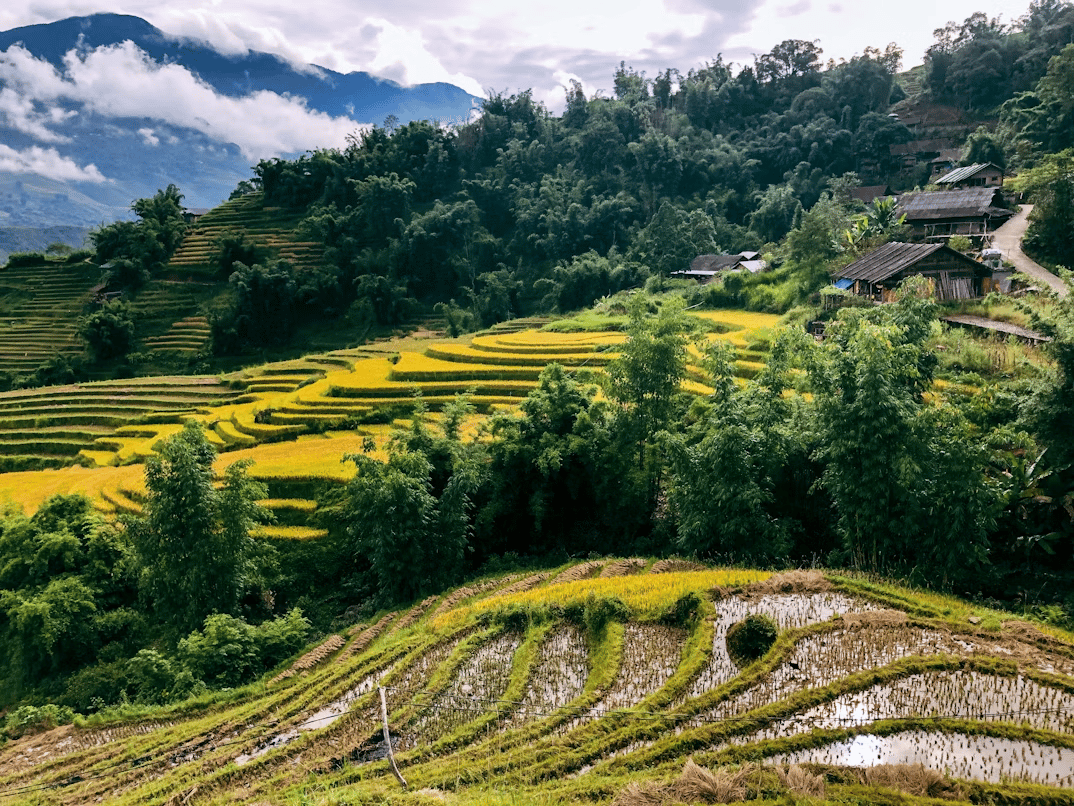
Day 2: A full day trekking through the Muong Hoa Valley with a local Hmong guide. The route took me through rice terraces and villages including Cat Cat, Y Linh Ho, Lao Chai, and Ta Van. I paid around $15 to $20 per person for the local guide and lunch, although organized tours can cost more. Current one-day trekking options covering Y Linh Ho, Lao Chai, and Ta Van are around 591,000 VND ($22–23) and up, depending on the operator and inclusions.
Cat Cat is primarily associated with the Black Hmong community, while the wider Muong Hoa route gives you a much better feel for the landscape and village life around Sapa. The standard Lao Chai–Ta Van section alone runs roughly 9 to 12 km and takes around four to six hours with stops, so expect a genuinely active day rather than a casual walk.
The rice terraces change dramatically with the season. By September and October, many fields are turning golden or being harvested, while earlier in the season the valley is much greener. If seeing the terraces at their most golden is a priority, timing your visit toward the harvest period is worth considering.
Day 3: A quieter half day. I took a morning taxi out to Thac Bac (Silver Waterfall) and then continued toward Heaven's Gate at the top of O Quy Ho Pass. Silver Waterfall is about 13 km from Sapa and costs just 20,000 VND (about $0.80) to enter.
Heaven's Gate is another 12 - 15 km or so west of Sapa and currently costs 120,000 VND (about $4.60) for adults. The viewpoint sits at the top of O Quy Ho Pass, on the Lai Chau side, and is especially worthwhile on a clear morning.
I skipped the Fansipan cable car, partly because of the cost and partly because I wanted to save the big mountain-view moment for later in the trip. The 2026 adult cable car ticket is 850,000 VND (about $32) for a standard return cable-car ticket, although package prices and promotions can vary. I spent the afternoon slowly wandering around Sapa's market and lake before collecting my bags and taking a direct limousine bus back to Hanoi.
City Note, Sapa: If you only have two days here rather than three, skip the waterfall and Heaven's Gate and prioritize the Muong Hoa trek through Y Linh Ho, Lao Chai, and Ta Van. That's the part of Sapa that's hardest to replace with anything else nearby. If you're visiting during a busy trekking period, booking a local guide a day or two ahead is a good idea.
Transport:
Getting around Sapa: For the waterfall and Heaven's Gate, arrange a taxi, private car, or local tour through your hotel. These sights are outside the town center, so walking isn't practical.
Sapa to Hanoi: I took a direct limousine bus back to Hanoi, rather than retracing the route through Lao Cai. The journey is roughly 5.5 to 6 hours, depending on traffic. Current Vexere listings show several direct services from Sapa to Hanoi, including Sapa Express at around 6 hours, with average fares around 372,500 VND (about $14). Other limousine services can cost more depending on the vehicle and pickup point.
Booking: Vexere is one of the easiest options for international travelers because you can compare operators, departure times, pickup points, and prices in one place. 12Go also currently lists direct Sapa-to-Hanoi vans, with some departures starting around $13–$16 depending on the operator and seat type.
Day 4 to 6: Hanoi
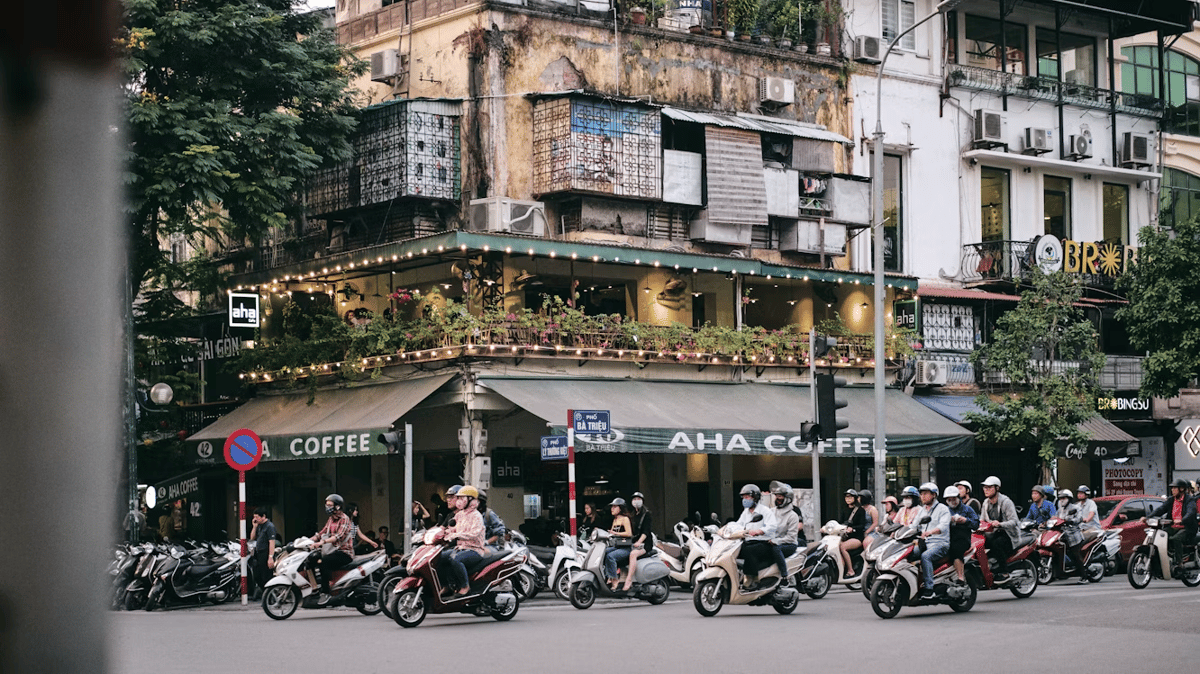
Where I stayed: Hanoi Emerald Waters Hotel & Spa, on Lo Su Street in the Old Quarter, a mid-range hotel with a rooftop terrace and a convenient location just a few minutes' walk from Hoan Kiem Lake. I paid about 1,400,000 VND (around $53) a night for a double room with breakfast, for 3 nights this time. Hotel pricing shifts with dates and promotions, so treat that as what I paid rather than a fixed rate.
Day 4 (arrival back from Sapa): Slow afternoon and evening. I checked in, napped off the overnight bus, then wandered around the lake at sunset. No plans, no pressure, which was exactly the point of giving Hanoi more room this time.
Day 5: No plan, just following whichever alley smelled the best. That's how I ended up at Bun Cha Dac Kim on Hang Manh Street around noon, the famous one, though I didn't know it at the time. No English menu, just a woman who pointed at the only thing on the grill. It was, without exaggeration, one of the best meals of the whole trip: grilled pork patties and slices of pork in a sweet fish sauce broth, a pile of herbs I couldn't name, and rice noodles you dunk yourself. Expect to pay roughly $4 to $8, depending on what you order.
In the evening I walked over to Train Street on Phung Hung, which everyone will tell you is a tourist trap, and it kind of is, but standing two meters from a train that's actually running past cafe tables is still a genuinely strange feeling. I grabbed a beer at one of the trackside cafes and waited out the 7:30 PM run with a dozen other people all holding their phones up at the same angle. Afterward, I climbed the narrow staircase up to Cafe Dinh, easy to miss if you don't know to look for it, at 13 Dinh Tien Hoang Street, a tiny second-floor spot overlooking Hoan Kiem Lake. Their egg coffee, around $1 to $2, tastes like tiramisu decided to become a hot drink.

Day 6: I spent the morning at the Temple of Literature and the afternoon looping back through the Old Quarter's craft streets: the silver street, the tin street, the street that only sells wedding decorations. It's the kind of aimless day that's only possible once you've stopped rushing to the next region.
City Note, Hanoi: If you're in Hanoi in late September or early October, keep an eye out for the scent of milk flowers and the season's fresh cốm, or young green rice. Cốm is one of Hanoi's classic autumn specialties, with the main season running roughly from late September into early November. If you see a vendor selling freshly made cốm, it's worth trying while you're here.
Transport:
Getting around the Old Quarter: Most of the Old Quarter and Hoan Kiem Lake area is easily walkable. For places farther away, Grab is cheap and convenient. A short ride within central Hanoi will often cost only a few dollars, although the exact fare depends on traffic, distance, and time of day.
Temple of Literature / West Lake: Grab is the easiest option if you don't want to walk in the heat. For longer cross-city trips, allow extra time for Hanoi traffic rather than relying on a fixed journey time.
Hanoi to Ninh Binh: A private car takes roughly 2 hours and can run around $25 to $35, depending on the vehicle and pickup location. A shared limousine is usually cheaper, with current services available through VeXeRe and other booking platforms.
Day 7 to 8: Ninh Binh

Ninh Binh is about two hours south of Hanoi by car. This is the "Ha Long Bay on land" everyone talks about, and September can be a beautiful time to see the karst cliffs, rice fields, and waterways, although the reflections depend heavily on the weather and wind that day.
Where I stayed: Tam Coc Rice Fields Resort, a small bungalow-style property surrounded by paddies just outside Tam Coc village. It made a convenient base for cycling around the countryside and getting to the main sights without having to stay in Ninh Binh city.
Day 7: The owner rented me a bicycle for the day for about $2, and I spent the morning cycling the dirt paths between the fields before the boat tour, stopping more than once just to watch water buffalo do nothing in particular.
The Tam Coc boat ride costs 250,000 VND (about $9.50) per adult without the electric shuttle, or around 350,000 VND ($13.30) when the shuttle is included. The ride takes you along the Ngo Dong River through the limestone landscape and caves, with local rowers doing the work.
Day 8: I climbed Hang Mua viewpoint first thing in the morning, about 500 steps up to a small pagoda and dragon statue, before the heat and tour buses arrived. Entry runs around $6.00. From there you can see the whole Tam Coc river bending through the rice fields. After that, Trang An, the quieter, longer version of the same idea, weaving through caves and past temples, around $11.40. Almost as an afterthought, because the homestay owner mentioned it over breakfast, I detoured to Thung Nham Bird Park in the late afternoon, currently around $9.50. This one barely shows up on standard itineraries, but watching thousands of birds return to roost over the wetlands at dusk was an unplanned trip highlight.
For dinner both nights I went to Hieu De Restaurant, a local chain known for mountain goat meat: grilled goat with lemongrass, goat hotpot, no frills, plastic chairs, fluorescent lighting, roughly $4 to $8 per dish, easily the best value meal of the whole region.
City Note, Ninh Binh: This is one of the few stops on the route with its own train station on the main north south line, which is exactly why it works so well as a launch point for the overnight train south. No need to backtrack to Hanoi first.
Transport:
Getting around Ninh Binh: A bicycle is the easiest option for exploring the quieter lanes around Tam Coc. I rented mine through the homestay for around $2 for the day. For farther-away sights such as Hang Mua, Trang An, and Thung Nham, you can arrange a taxi, private driver, or local tour through your accommodation.
Hiring a driver: If you want to cover several sights in one day without worrying about distances, a private driver is another practical option. Prices vary by itinerary and vehicle, so it's better to confirm the total price and number of hours before booking rather than relying on a fixed daily rate.
Day 8 (night): Overnight Train, Ninh Binh to Da Nang
Rather than flying, I caught an evening Reunification Express train directly from Ninh Binh station south to Da Nang. It's a long ride, roughly 15 to 17 hours depending on the train, but a soft-sleeper berth means you're mostly just sleeping through it. I liked the idea of waking up as the train approached the Hai Van Pass instead of spending the morning in an airport terminal.
Transport:
Soft-sleeper 4-berth cabin, Ninh Binh to Da Nang: Expect roughly $35 to $55 depending on the train, travel date, and berth. I booked through Vietnam Railways or 12Go Asia, which has an English interface and lets you compare available trains and cabin types. Vietnam Railways' official timetable confirms that the north-south SE services stop at Ninh Binh before continuing south toward Da Nang.
Bring snacks and a power bank: There is food available on the train, but the selection is limited, so having your own snacks and drinks makes the long journey more comfortable. I also wouldn't rely entirely on the cabin's power outlet - bring a power bank in case yours isn't convenient or available.
Day 9 to 10: Hoi An
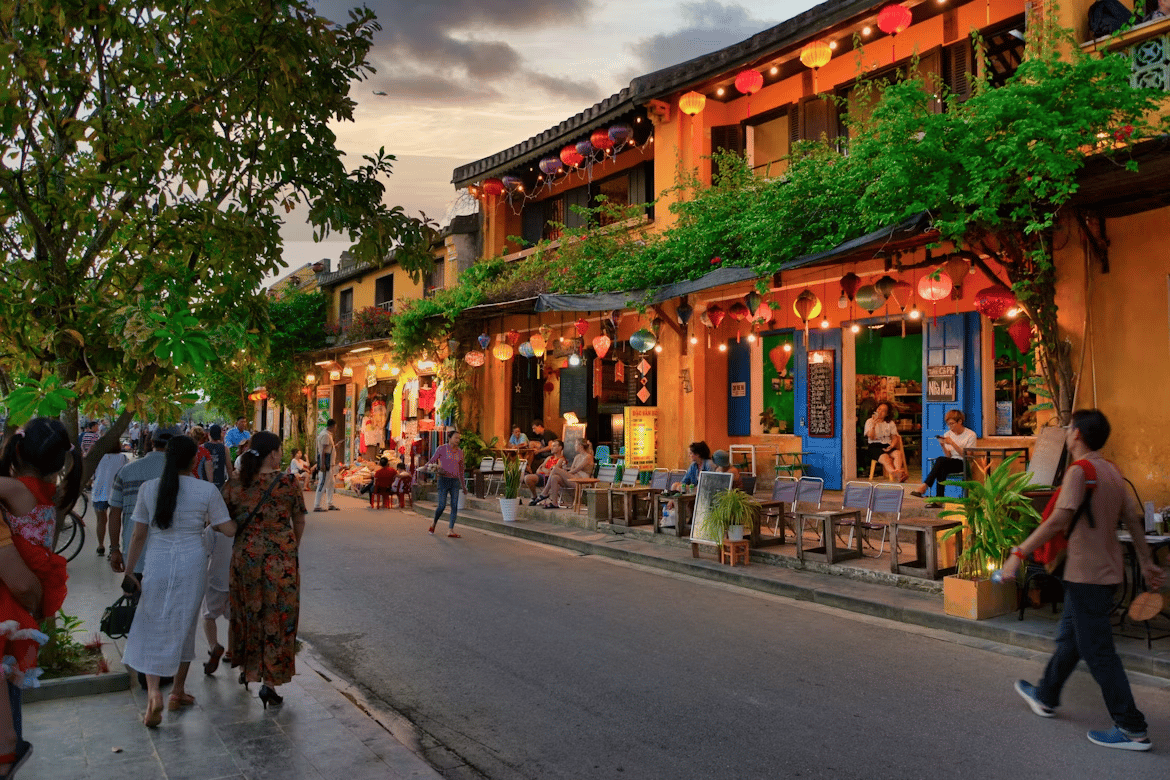
The train got into Da Nang mid-morning, and after mountain treks, sleeper trains, and a fair amount of walking, the slower pace of Hoi An was exactly what I needed.
Where I stayed: An Hoi Town Homestay at 109 Nguyen Phuc Tan, Minh An, Hoi An. It was tucked into a quieter street just a few minutes from the Hoai River and about a five-minute walk from the heart of the Ancient Town. A twin room was around $16 per night before VAT, making it a simple, budget-friendly base for exploring Hoi An on foot.
Day 9: Rented a bicycle from my homestay and spent the afternoon riding loops around the Ancient Town before the dinner crowds arrived. For food, I had cao lau, one of Hoi An's signature noodle dishes, at a small family restaurant a few streets back from the river where locals seemed to actually outnumber tourists. Traditionally, cao lau noodles are made using calcium-rich water associated with the Ba Le Well, along with a distinctive preparation process that gives the noodles their texture.
Day 10: In the evening I tried the famous chicken rice at Cơm Gà Bà Buội on Phan Chau Trinh Street, about $2.10 a plate: turmeric-tinted rice, shredded chicken, fresh herbs, pickled vegetables. Simple, inexpensive, and one of the local dishes I was gladdest I made time for. In the afternoon I biked out to An Bang Beach, about 7 km from the Ancient Town, quiet enough during my September visit that I had a long stretch of sand mostly to myself, aside from a few beach bars offering loungers nearby.
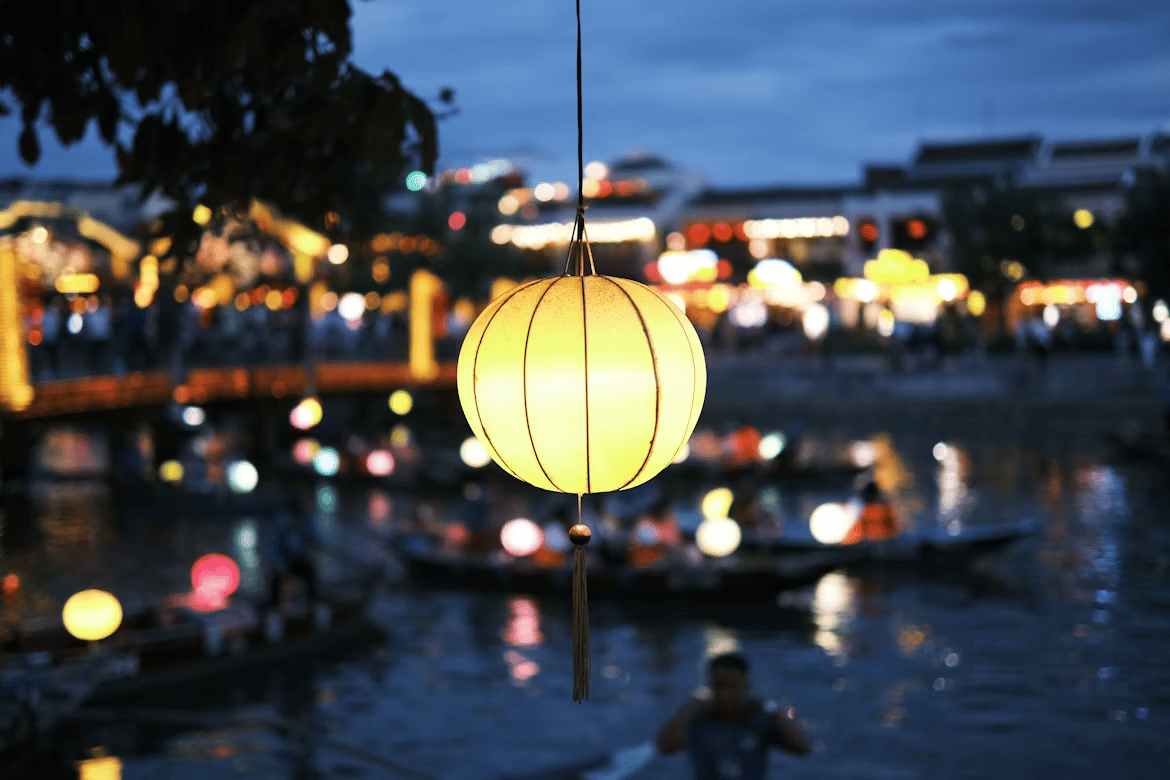
City Note, Hoi An: Check the lunar calendar before you book. If your dates fall near the Mid-Autumn Festival, don't avoid it, plan around it: lanterns, lion dances, traditional performances, and the Ancient Town glowing after dark. In 2026, Hoi An's main Mid-Autumn Festival activities are scheduled for September 23–26, making it one of the most atmospheric times to experience the town if your timing lines up.
Transport:
Da Nang to Hoi An: From Da Nang Airport, a Grab is usually around 250,000–350,000 VND ($9.50–$13.30) and takes roughly 30 - 45 minutes, depending on traffic. A pre-booked private transfer is typically more expensive, around 350,000–500,000 VND ($13–$19).
Getting around Hoi An: The Ancient Town and riverside area are compact and easy to explore on foot. For longer trips, bicycle rental through your guesthouse is usually around $1 to $3 per day. I rented mine directly from the homestay, which was the easiest option.
Hoi An to An Bang Beach: Cycling is straightforward and takes roughly 15–25 minutes depending on your starting point and pace. If you don't want to cycle, a short Grab or taxi ride is inexpensive; local guides currently put the trip at around 80,000–100,000 VND ($3–$4) from the Ancient Town.
Day 11 to 14: Ho Chi Minh City
The last stretch, and the one I planned the loosest.
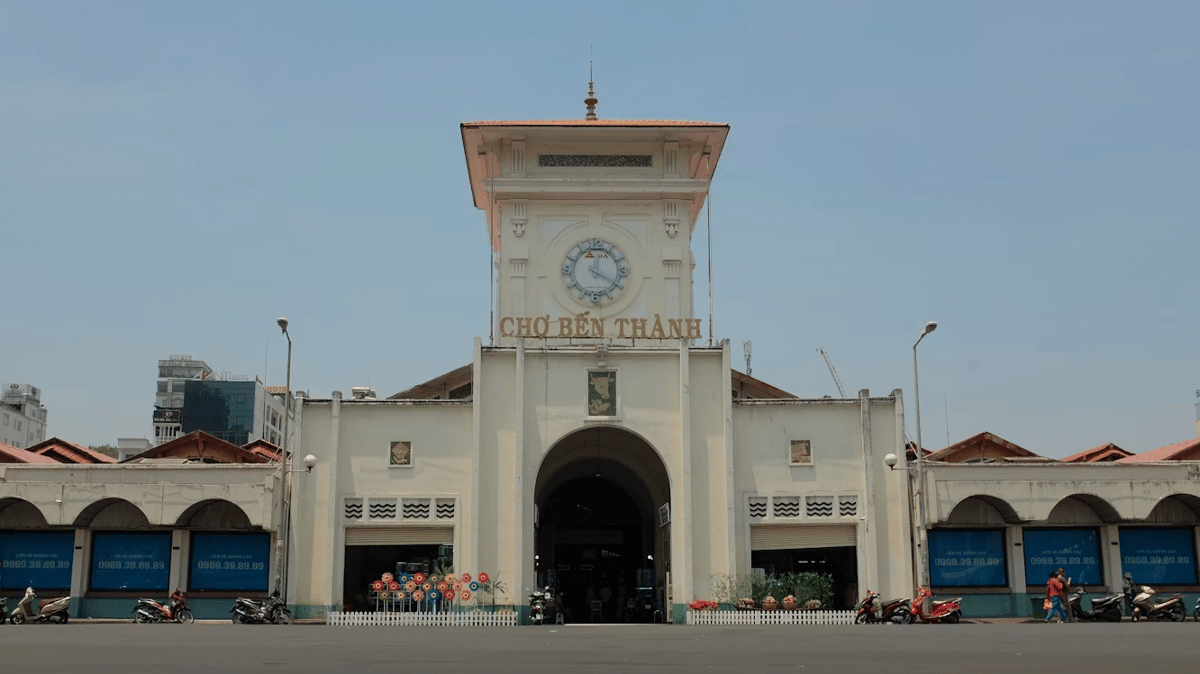
Where I stayed: GK Central Hotel, a simple three-star hotel at 92–94 Ly Tu Trong Street in District 1, a simple three-star hotel a couple of minutes' walk from Ben Thanh Market, around $36 a night.
Day 11: Flew from Da Nang to Ho Chi Minh City, one-way fares starting from around $36, varying a lot by date and airline. With only the evening left, I walked Nguyen Hue Walking Street and grabbed dinner at a busy street food spot near Ben Thanh Market: grilled pork skewers and a beer, easy and inexpensive after a travel day.
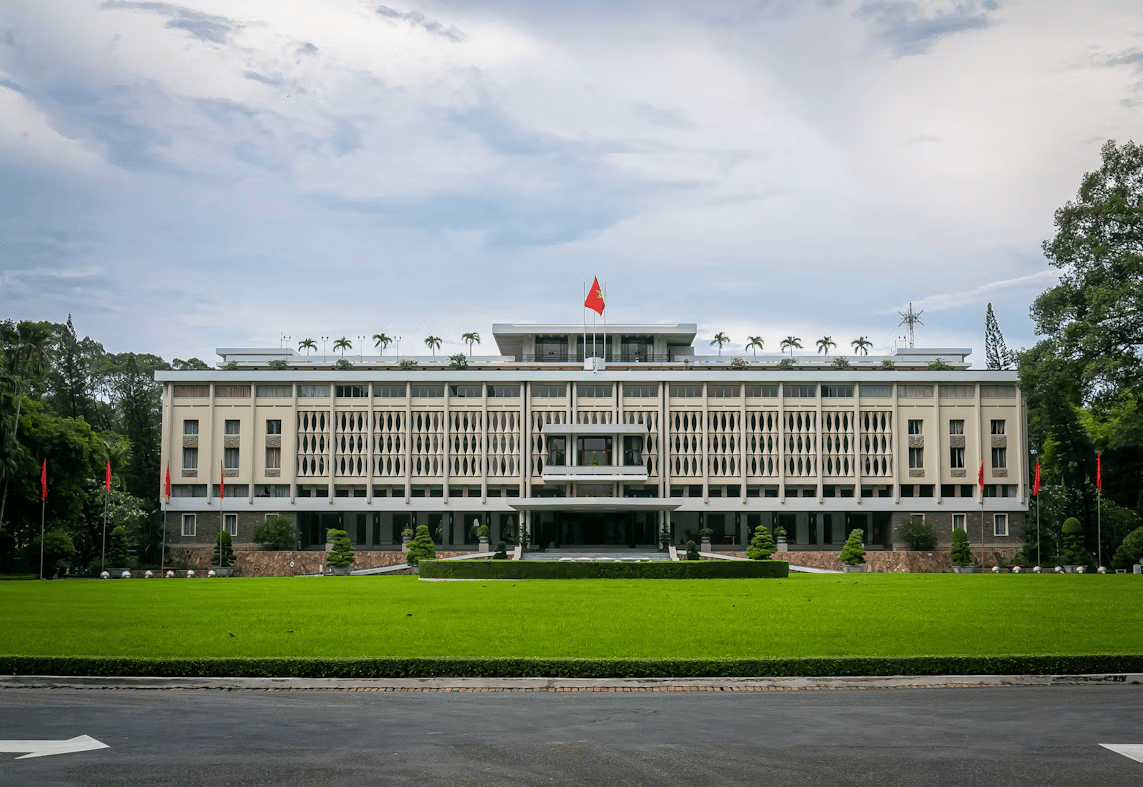
Day 12: A full day in the city itself: Ben Thanh Market in the morning before the heat sets in, the Reunification Palace, and the War Remnants Museum in the afternoon. Both are a few dollars' entry and worth a couple of hours each. Ben Thanh Market officially operates from 7 AM to 10 PM, so arriving early is a good way to beat the heat and crowds. The War Remnants Museum currently charges 40,000 VND (about $1.50) for adult visitors, including foreign visitors. Both the museum and Reunification Palace are easy to combine into one walking-and-Grab day around central District 1.
Day 13: A day trip out to the Cu Chi Tunnels, roughly 1.5 to 2 hours from central Ho Chi Minh City depending on traffic. Group tours generally run around $15 to $25, with transport and a guide included, although smaller groups and private tours cost more. The tunnels are a heavy, sobering few hours, but they're one of the most popular historical day trips from the city for a reason.
Day 14: Slow morning around District 1, a last coffee, and just enough time to shower before heading to the airport for the flight home.
City Note, Ho Chi Minh City: The city moves noticeably faster than everywhere else on this route, with busier traffic, longer blocks, and more heat. Budget more time than you think for getting between sights; District 1 alone can eat a full day if you let it.
Transport:
Da Nang to Ho Chi Minh City: I booked my flight directly through VietJet Air or Vietnam Airlines. Both airlines operate the route, and fares can vary dramatically depending on the date and how far ahead you book.
Getting around Ho Chi Minh City: Grab is the easiest option for most trips around the center. Short rides generally cost only a few dollars, although the final fare depends on distance, traffic, and demand.
Cu Chi Tunnels: I booked the half-day trip through a local tour operator. Group tours typically include round-trip transport and a guide, making them much easier than arranging the journey independently. The Cu Chi complex itself operates daily, generally from 7 AM to 5 PM.
Budget Breakdown
For this exact 14 day route, I'd budget around $780 to $1,000 per person, excluding international flights. That covers private hotel rooms, overnight trains and buses, one domestic flight, local transportation, food, entrance fees, and the main day tours.
Category | Estimated Cost (USD) | Notes |
Accommodation | $380 to $470 | 14 nights across Sapa, Hanoi, Ninh Binh, Hoi An and Ho Chi Minh City |
Long-distance transport | $150 to $185 | Hanoi to Sapa sleeper bus, Sapa to Hanoi, Ninh Binh to Da Nang sleeper train, Da Nang to HCMC flight, plus airport and intercity transfers |
Food & drinks | $140 to $200 | Local restaurants, street food, hotel breakfasts, coffee and drinks |
Activities & entrance fees | $70 to $90 | Sapa trekking, Silver Waterfall, Heaven's Gate, Tam Coc, Hang Mua, Trang An, Thung Nham and Cu Chi Tunnels |
Local transportation | $40 to $60 | Grab, taxis, bicycles and short distance rides |
Estimated total | ≈ $780 to $1,000 |
The sweet spot is around $850 to $950 per person for this itinerary. That's enough for comfortable private rooms, decent local meals, sleeper transport, the main attractions, and some flexibility when you don't feel like taking the cheapest option.
If you're traveling on a tighter backpacker budget, with cheaper rooms, mostly street food, fewer taxis, and careful flight booking, you could bring the trip closer to $700 to $800. Nicer hotels, private transfers, more organized tours, and last minute domestic flights can easily push the total over $1,000.
These numbers exclude your international flight to and from Vietnam. They also don't include shopping, laundry, alcohol, travel insurance, or optional extras such as the Fansipan cable car, which I skipped on this trip.
What I'd Change
If I did this trip again, I'd make a few small changes without changing the overall route. First, I'd give Sapa one extra day if I had the time. Two nights worked for the main trek and the Silver Waterfall and Heaven's Gate loop, but the mountain weather can change quickly. An extra day would give me more flexibility if rain or clouds disrupted the trekking day.
Second, I'd slow down a little in Hoi An. Two days is enough to see the Ancient Town, eat the local specialties, and spend an afternoon at An Bang Beach, but Hoi An was the place where I most wanted another unplanned morning. After several long transfers and active days, having another day to simply cycle around, sit at a café, or do nothing would have made the final half of the trip feel less rushed.
Finally, I'd keep Ho Chi Minh City at four days, but I'd decide in advance whether the Cu Chi Tunnels or the Mekong Delta mattered more to me. With only four days, trying to squeeze both in would make the city portion too busy. I chose Cu Chi on this trip because I wanted more time for the city itself, but the Mekong Delta is the obvious addition if river life, villages, and floating markets are higher on your list.
FAQ
Is 14 days enough for this route?
Yes. Fourteen days is enough to cover Hanoi, Sapa, Ninh Binh, Hoi An, and Ho Chi Minh City without making every day feel like a race. The key is accepting that you won't see everything.
Is the overnight train worth it instead of flying?
For Ninh Binh to Da Nang, I think it is if you enjoy slow travel and want to save on a hotel night. The journey is long at around 15 to 17 hours, so flying is definitely the better choice if your priority is saving time. I chose the train because the soft sleeper made the long ride manageable, and waking up to the scenery along the central coast was part of the experience. For this itinerary, I'd take the train again, but only if you're comfortable giving up most of a day to travel.
Do I need to book the Sapa trekking guide in advance?
Not necessarily. You can usually arrange a local guide through your hotel or guesthouse a day or two before the trek. However, booking ahead is a good idea if you're visiting during September to November or March to May, when trekking demand is higher.
What's the best time of year to do this exact route?
September to October, for decent rice terrace color around Sapa and comfortable temperatures everywhere else. It also means a slightly higher chance of rain, so pack accordingly, especially for the Sapa trek.
A Note on Prices
Prices in Vietnam can change quite a bit depending on the season, booking platform, exchange rates, and how far ahead you book. The amounts mentioned throughout this itinerary are either what I paid or rough prices based on the rates available when I checked, so use them as a guide rather than a fixed quote. Links throughout point to Google Maps (to help you find and verify the exact place) or to the booking platforms I actually used, but I'd still check the latest price before booking hotels, tours, transport, and attraction tickets.
Final Thought
The thing nobody tells you about this route is how different it feels once you stop trying to cram every region in. Skipping Ha Giang and the Mekong Delta felt like a loss at first, but it's what let me actually enjoy Hanoi and Hoi An instead of just sleeping through them between transfers. Fourteen days still isn't enough to see all of Vietnam, but it's enough to do a handful of places properly, and I'd rather come back and finish the rest than remember this trip as a blur of buses.