Table of Contents31 sections
- 1Is Can Tho City worth visiting?
- 2When is the best time to visit Can Tho City?
- 33 days 2 nights Can Tho City itinerary
- 3.1How to travel to Can Tho City from Ho Chi Minh City?
- 3.2Getting around Can Tho City
- 3.3Where to stay
- 4Day 1: Colonial Architecture, Ancient Temples & Riverfront Nights
- 4.1Arrival & Setting Up at Ninh Kieu Wharf
- 4.2Stepping Back in Time
- 4.3Street Food & City Lights
- 4.4Am Phu Tofu – A Late-Night Can Tho Classic
- 5Day 2: Floating Markets, Island Life & River Dinner
- 5.1Sunrise on the Hau River
- 5.2Island Life at Con Son
- 5.3Spiritual Tranquility
- 5.4A Floating Dinner Experience
- 6Day 3: Tropical Fruit Gardens, Local Shopping & Departure
- 6.1A Hidden Oasis in Can Tho: Hoa Yên An Bình Café
- 6.2Tasting Tropical Delights Straight from the Tree
- 6.3Market Shopping & Departure
- 7How much does this 3-day Can Tho itinerary cost?
- 8Can Tho City travel tips and FAQs
- 8.1How many days do you need in Can Tho?
- 8.2What time should you visit the Cai Rang Floating Market?
- 8.3Where should you stay in Can Tho?
- 8.4Do you need to book a floating-market tour?
- 8.5Is Can Tho safe for tourists?
- 8.6Can you drink tap water in Can Tho?
- 8.7What should you pack for Can Tho?
- 8.8Can you rent a motorbike in Can Tho?
- 8.9Is Can Tho suitable for vegetarian travellers?
Cần Thơ is not a city you visit for a long checklist of famous landmarks. Its appeal is in the early-morning boats, fruit gardens, family-run experiences, local food, and slower rhythm of life along the river. This 3-day Can Tho itinerary gives you enough time to experience those things without turning the trip into a race.
Over three days, you will visit Cai Rang Floating Market, Con Son Islet, Binh Thuy Ancient House, riverside temples, and a countryside fruit garden. The itinerary also covers where to stay, how to travel from Ho Chi Minh City, when to visit, and what the trip is likely to cost.
Is Can Tho City worth visiting?
Yes, Can Tho is worth visiting if you want to experience the Mekong Delta beyond a rushed day tour. Its main attraction is the Cai Rang Floating Market, but the city also offers riverside walks, local food, fruit gardens, historic houses, and community-based experiences on Con Son Islet. Two nights are usually enough to see the highlights without rushing. However, travellers looking mainly for beaches, nightlife, or major landmarks may find other Vietnamese destinations more rewarding.
When is the best time to visit Can Tho City?
The best time to visit Can Tho City depends on what you want to experience. The city stays warm throughout the year, and major attractions such as Cai Rang Floating Market operate in both the dry and rainy seasons. For most first-time visitors, December to February offers the easiest weather, with less rain, lower humidity, and more comfortable conditions for boat trips, cycling, and walking around the city.
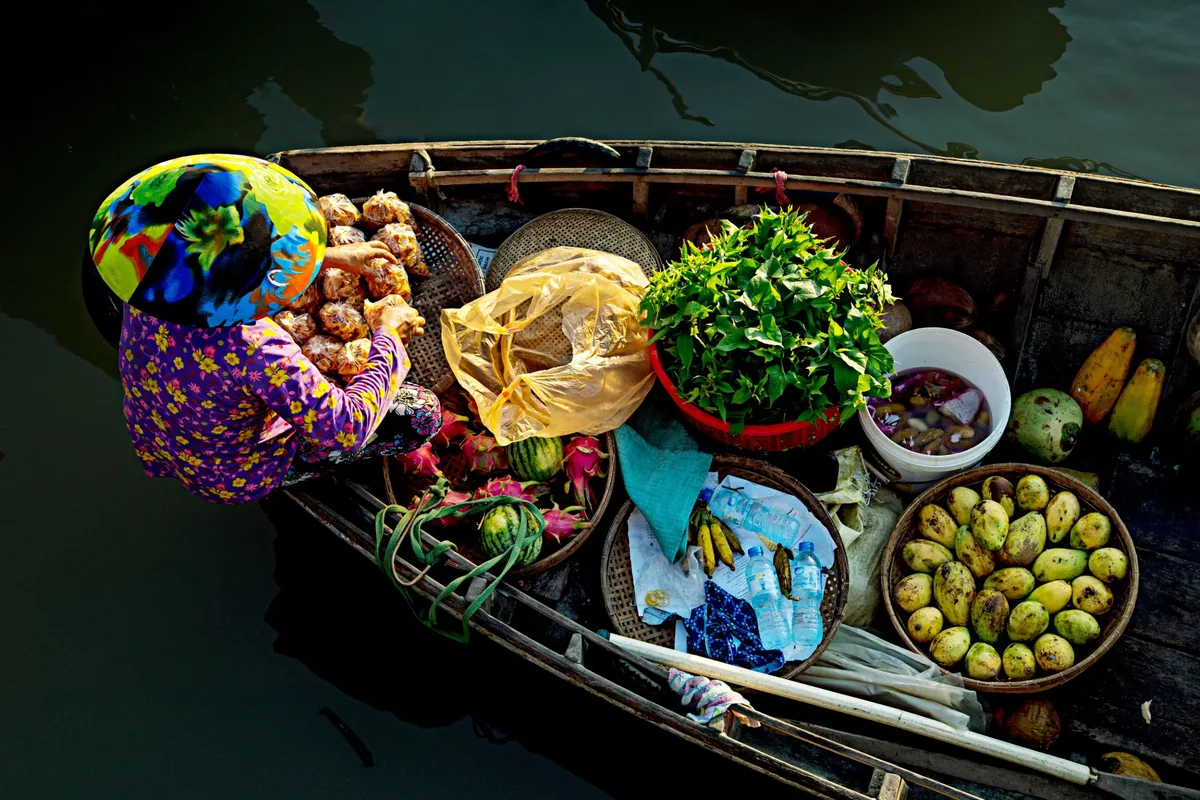
December to February: Best for first-time visitors, families, photography, and outdoor sightseeing. The weeks around Lunar New Year are especially colourful, with flower streets, decorations, and a more festive atmosphere, although some businesses may close during the main holiday.
Late April to early May: Best for food and cultural events. The annual Southern Folk Cake Festival is usually held around this period, bringing together traditional cakes, regional dishes, cooking demonstrations, and cultural performances. Exact dates change each year.
May to August: Best for fruit gardens and countryside experiences. This is when many tropical fruits, including rambutan, mangosteen, durian, longan, and Phong Dien’s Ha Chau strawberry, reach their main harvest season. Expect hotter weather and short but sometimes heavy rain.
September to November: Best for travellers interested in the Mekong Delta’s greener, wetter side. Higher water levels create lush scenery and atmospheric river journeys, but rain is more frequent and low-lying streets may occasionally flood.
Cai Rang Floating Market can be visited year-round, but the time of day matters more than the month. Leave your hotel around 5:00 to 5:30 a.m. The market is at its most active between roughly 5:00 and 7:00 a.m. and quietens later in the morning. Festival schedules and fruit harvests vary annually, so confirm them before planning a trip around a specific event or crop.
3 days 2 nights Can Tho City itinerary
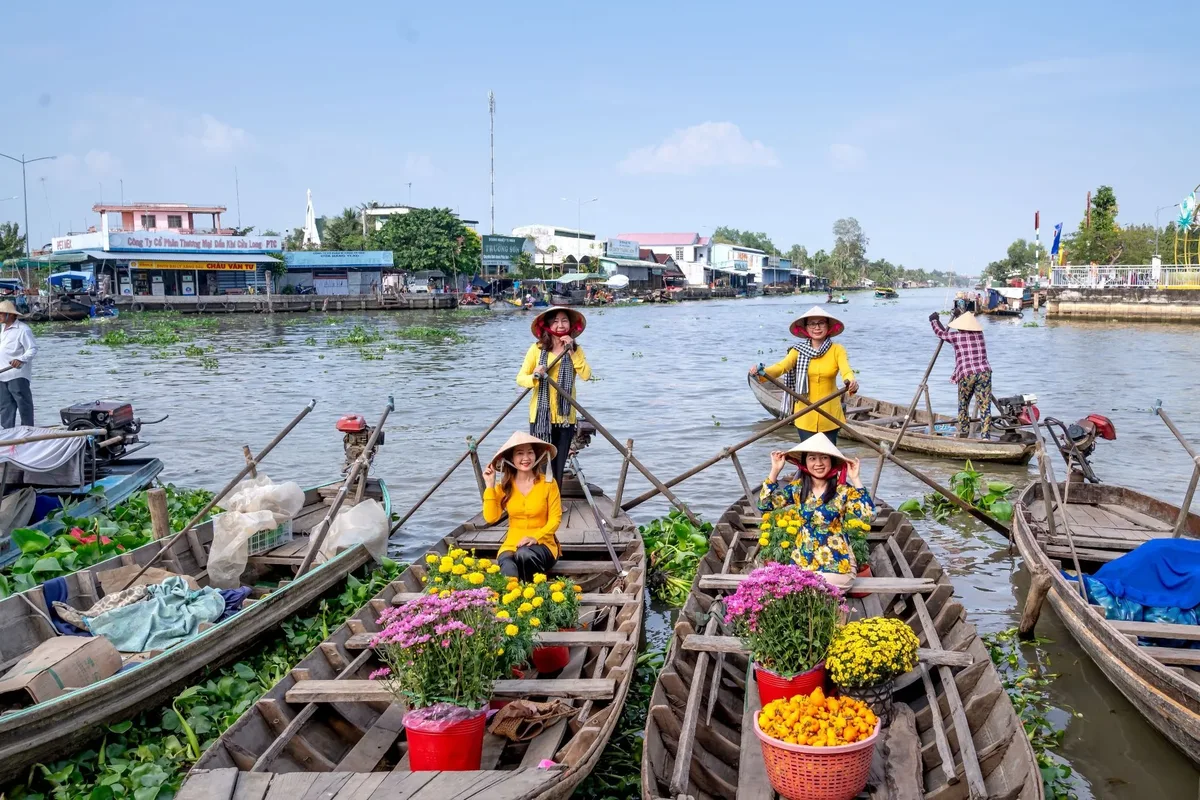
How to travel to Can Tho City from Ho Chi Minh City?
The easiest way to reach Can Tho is by bus. FUTA Bus Lines (Phuong Trang) operates frequent daily services from Ho Chi Minh City, with tickets starting at around VND 185,000 ($7) and a journey time of approximately four hours. Other operators include Thanh Buoi, Techbus VN JSC, and Vietnam Travel Bus. Tickets can be booked through the operator’s official website, app, ticket office, or hotline. A private car is more convenient for families and groups but costs from approximately $65 per vehicle.
Getting around Can Tho City
Grab and Xanh SM are the most convenient options for getting around Can Tho, with cars and motorbike taxis bookable through their apps. Traditional metered taxis are also available at the wharf and around the city centre. Attractions around Ninh Kieu Wharf can be explored on foot, while a bicycle or rented motorbike is useful for travelling farther from the centre. A boat or organised tour is required to visit the Cai Rang Floating Market and Con Son Islet.
Where to stay
Tru by Hilton Cần Thơ Cái Khế
Tru by Hilton Cần Thơ Cái Khế is a modern hotel at 112 Tran Phu Street, around 2.1 km from Ninh Kieu Park. Although it is not directly on the riverfront, the quieter location remains within a short drive of Can Tho Museum, Song Hau Park, and the city’s main attractions.
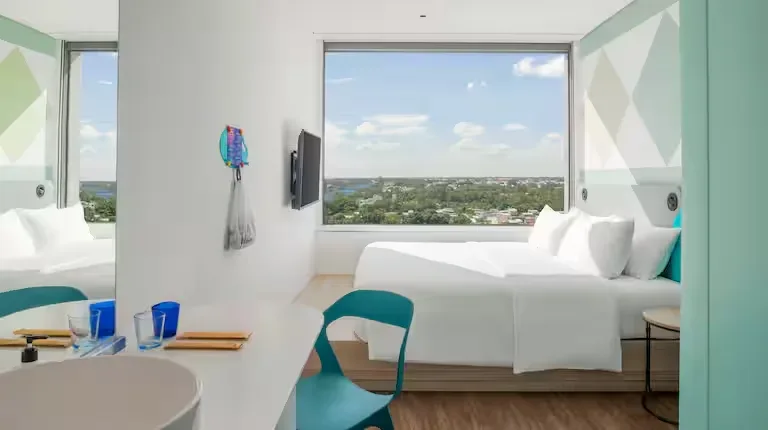
Standard rooms are compact at 15 square metres and include free Wi-Fi, air conditioning, and breakfast. Guests also have access to a gym, free parking, and laundry facilities. Rates start at approximately VND 700,000 ($27) per night, while larger rooms cost up to VND 1,195,000 ($46) before taxes and fees. The lowest rates are non-refundable.
V’luna Hotel Can Tho
V’luna Hotel Can Tho is a small, modern hotel in Cai Khe, around 2.4 km from Ninh Kieu Wharf and within walking distance of Can Tho Stadium and Song Hau Park. Opened in 2024, it is a good choice for budget travellers who want a clean, quiet base without staying too far from central Cần Thơ.
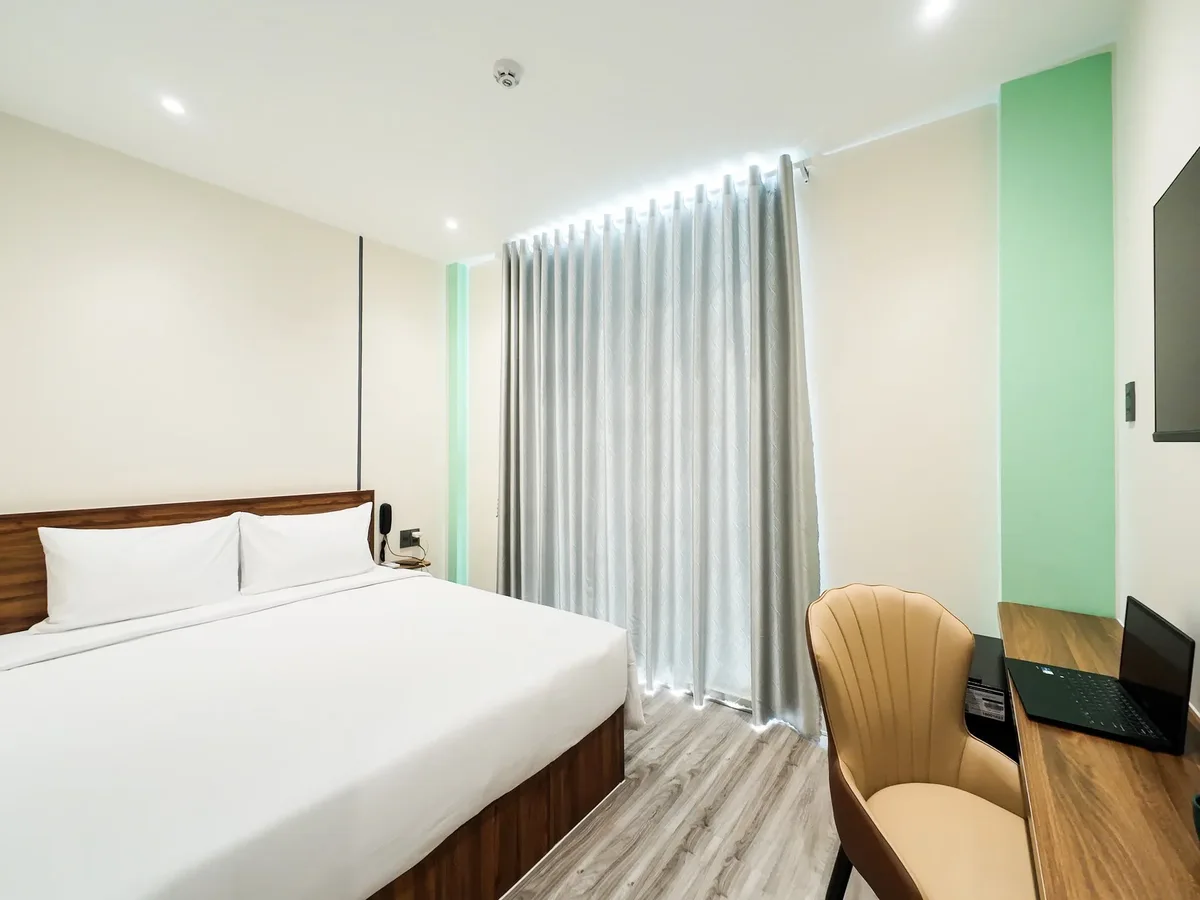
Rooms range from 15 to 20 square metres and include air conditioning, private bathrooms, and free Wi-Fi. Rates currently start at approximately VND 298,000 ($11.50) and reach about VND 390,000 ($15) before taxes and fees. Breakfast is not included, and the cheapest Economy room has no window.
Day 1: Colonial Architecture, Ancient Temples & Riverfront Nights
Arrival & Setting Up at Ninh Kieu Wharf
After arriving in Can Tho and checking in, make your way to Ninh Kieu Wharf for your first meal and a relaxed introduction to the city. This is a good time to slow down after the journey, walk along the waterfront, and watch the boats move across the Hau River.
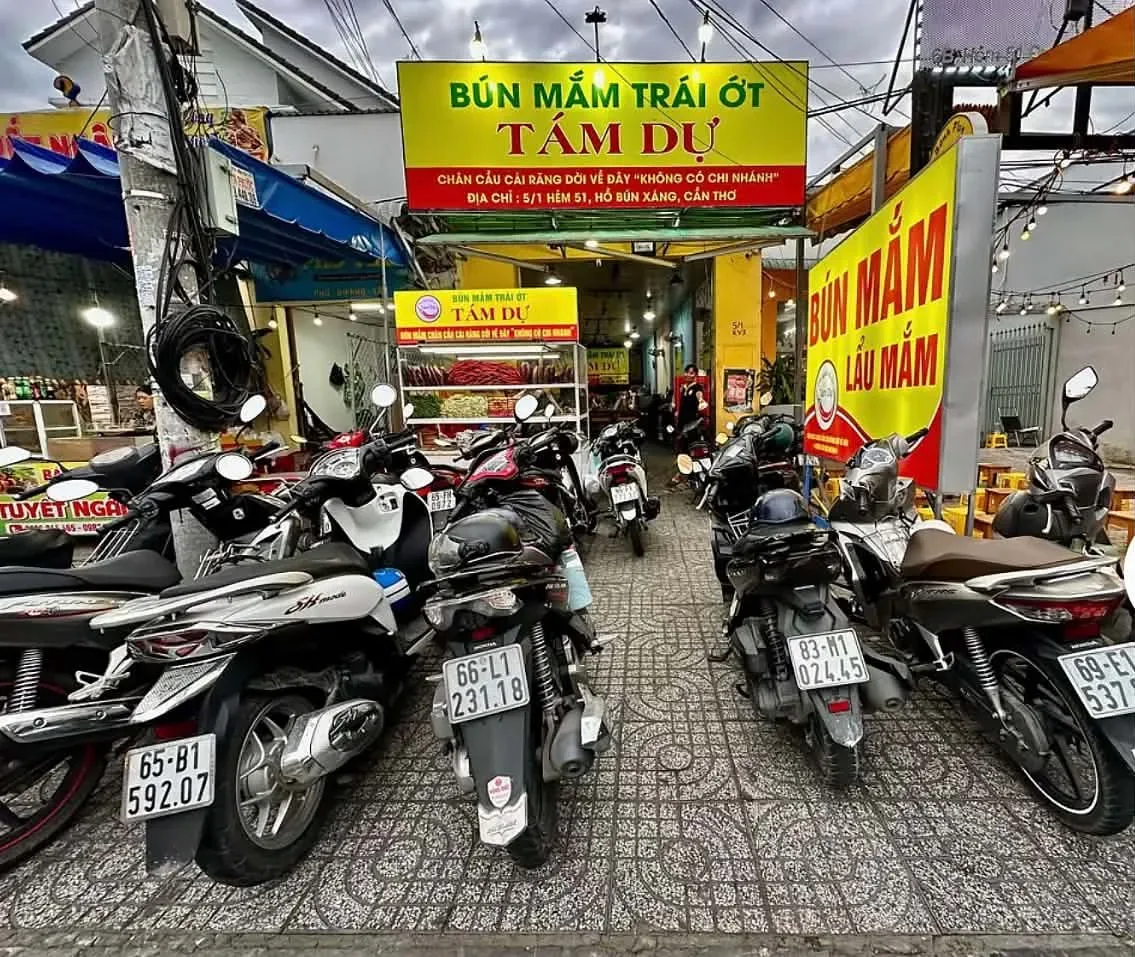
As a foreign traveller, Bún Mắm (fermented fish noodle soup) can sound a bit intimidating at first, but this place completely won me over. It is widely considered one of the most unique and delicious noodle spots in Can Tho!
The Famous Stuffed Chilli (Trái Ớt Nhồi Chả): The star of the dish is a large green chilli pepper that has been deseeded and generously stuffed with seasoned fish paste (chả cá thác lác). It offers a mild, subtle kick with a tender, savoury bite that perfectly complements the rich soup.
Loaded with Fresh Ingredients: A single bowl comes packed with toppings, including crispy roasted pork, fresh shrimp, squid, tender snakehead fish, fish cake, and sometimes even a duck embryo (hột vịt lộn) if you want to be adventurous!
Address: Alley 51, 3 Thang 2 Street, An Khanh Ward, Can Tho (near Bun Xang Lake).
Opening Hours: 06:00 AM – 09:00 PM daily.
Price Range: 30,000 – 70,000 VND (~$2.00 – $4.00 USD) per bowl depending on your choice of toppings.
Stepping Back in Time
Hung Kings Temple
Spend the afternoon exploring two of Can Tho’s most distinctive cultural sites. Begin at the Hung Kings Temple, where the spacious grounds, lotus ponds, and ceremonial architecture create a quiet contrast to the busy streets outside. Take some time to walk around the complex rather than visiting only the main hall.
Opening Hours
Tuesday – Sunday: 07:30 AM – 11:00 AM & 01:30 PM – 05:00 PM
Mondays: Closed for maintenance (except on public national holidays).
Admission: Free entrance.
Essential Tips for Visitors
Dress Respectfully: This is a sacred national memorial site. Avoid wearing sleeveless tops, short skirts, or short shorts. Aim to cover your shoulders and knees.
Beat the Heat: The massive outdoor plaza has very little shade. Visit during the early morning slot (around 08:00 AM) to avoid the intense midday heat and sun.
Footwear Rules: You will need to remove your shoes before entering the main sanctuary interior on the upper level.
Behaviour & Etiquette: Maintain a quiet, respectful tone inside the shrine. Do not touch or climb on any ritual artifacts, statues, or decorative displays.
Getting There: Located near Can Tho International Airport (about a 15–20 minute drive from Ninh Kieu Wharf). You can easily take a Grab car, taxi, or motorbike.
Binh Thuy Ancient House
Continue to Binh Thuy Ancient House, a more intimate attraction with a completely different atmosphere. Its old tiles, carved wooden details, patterned floors, and carefully arranged furniture show how French-inspired design was blended with traditional Southern Vietnamese architecture. The house is not large, so the visit usually feels more personal and unhurried than a typical museum stop.
Opening Hours
Daily: 07:30 AM – 12:00 PM & 02:00 PM – 06:00 PM
Note: The house closes during midday for a lunch break.Admission: ~20,000 VND (~$0.80 USD) per person.
Essential Tips for Visitors
Mind the Midday Break: Plan your visit around the lunch closure. Aim for early morning (around 08:30 AM) or late afternoon (around 03:00 PM) for the best lighting and comfortable temperatures.
Respect a Private Home: Descendants of the original family still reside in the back. Stay within designated visitor areas and ask for permission before filming long videos or taking close-up photos of family altars.
Photography Etiquette: Photos are allowed inside the main living hall, but avoid touching the antique furniture, delicate wooden carvings, or century-old porcelain displays.
Getting There: Located in Binh Thuy Ward, about a 15-minute Grab car or taxi ride from central Ninh Kieu Wharf.
Street Food & City Lights
Return to the riverfront in the evening and walk along Ninh Kieu Wharf as the city lights begin to come on. Stop at the Can Tho Pedestrian Bridge for photographs and views of the water, then continue toward Ninh Kieu Night Market.
The market is a convenient place to keep dinner casual. Try crispy Bánh Xèo, grilled meat skewers, fresh sugarcane juice, or other small snacks while browsing the clothing, souvenirs, and local products sold around the market. This relaxed evening gives the first day a good balance of history, food, and riverfront scenery.
Am Phu Tofu – A Late-Night Can Tho Classic
If you are still awake in Can Tho after most of the city has gone quiet, there is one local treat worth looking for: Am Phu Tofu, a simple bowl of warm tofu pudding that has become a familiar late-night favourite.
The name “Am Phu” literally refers to the underworld, but there is nothing unusual about the dish itself. The nickname comes from its very late opening hours, when the streets are quiet, and most food stalls have already closed.
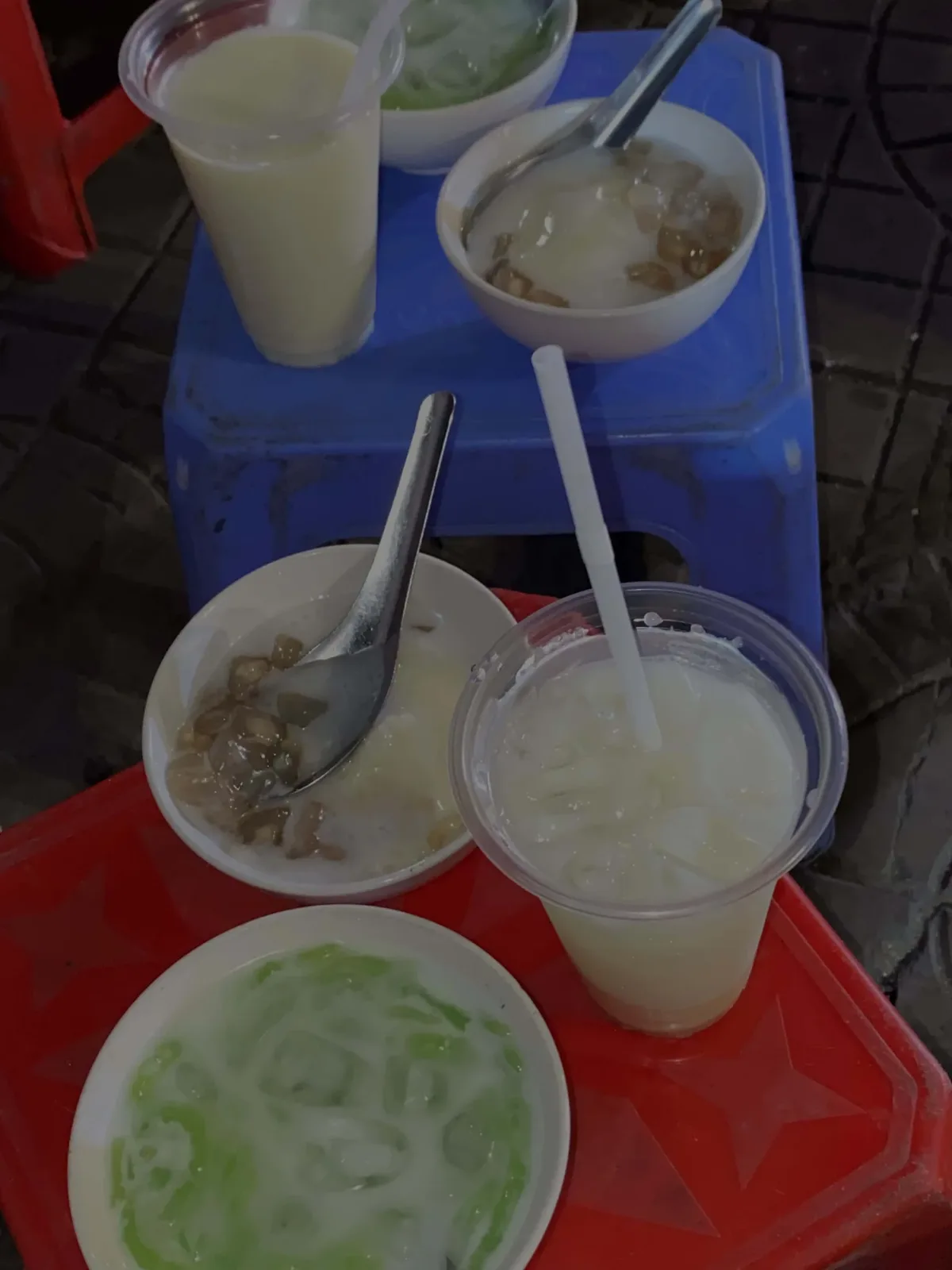
The tofu is soft, silky, and served warm, with a light sweetness from sugar syrup and a creamy richness from coconut milk. Chewy tapioca pearls are added on top, giving the otherwise delicate pudding a pleasant contrast in texture. It is simple, inexpensive, and comforting, exactly the kind of food that feels right after a late night out.
The well-known stall is located on Quang Trung Street in the Cai Rang area, near Quang Trung Bridge. It typically starts selling at around 11 PM and continues into the early morning, making it a particularly interesting stop for anyone exploring Can Tho after dark.
A bowl has traditionally been very affordable, with reports in 2025 putting the price at around VND 7,000. Prices and opening hours can change, so it is worth checking locally before heading over.
My tip: don't treat this as a major sightseeing stop. Come late, keep expectations simple, order a bowl of hot tofu, and enjoy it as a small part of Can Tho's nighttime food culture. That's really where the charm of Am Phu Tofu lies.
Day 2: Floating Markets, Island Life & River Dinner
Sunrise on the Hau River
I set an early alarm, and trust me, it was completely worth it. At dawn, I boarded a small wooden longtail boat at Ninh Kieu Wharf and navigated toward Cai Rang Floating Market (Chợ Nổi Cái Răng). Watching hundreds of boats trade fresh pineapples, watermelons, and squashes hung high on tall bamboo poles (Cây Bẹo) was an unforgettable sight.
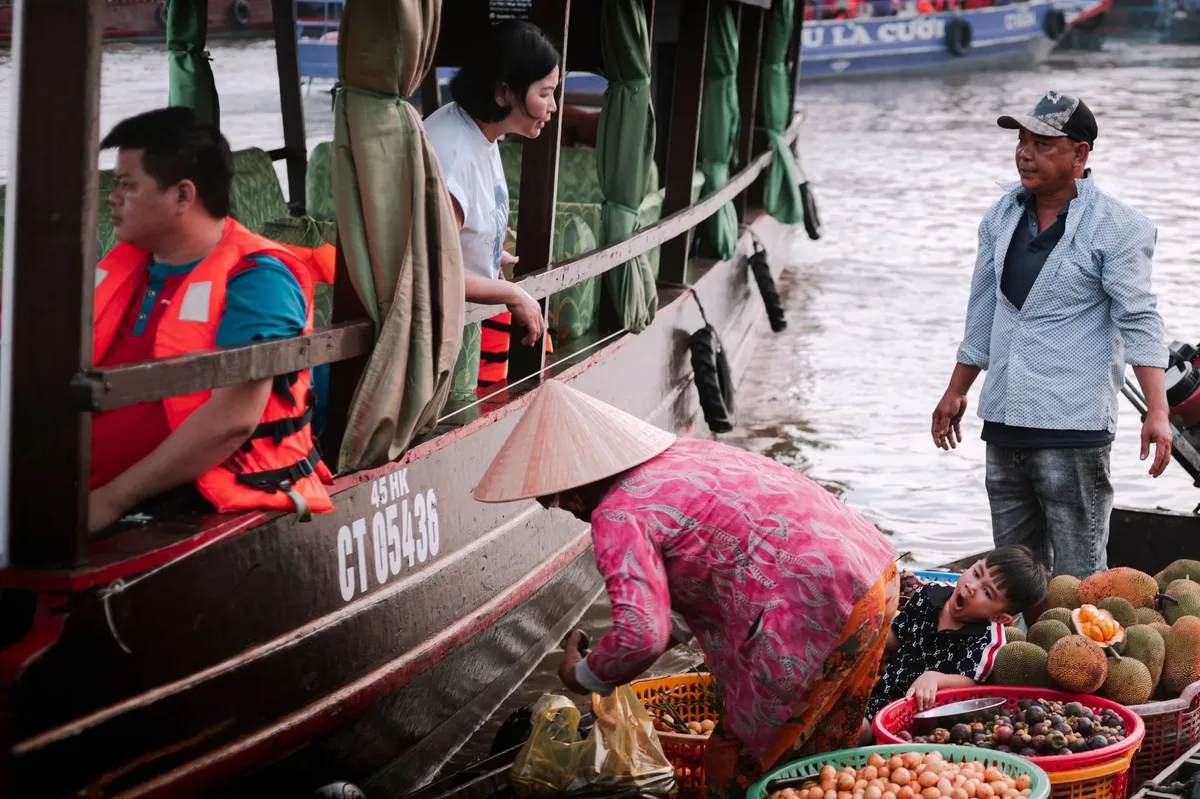
Taking part in the Cai Rang Floating Market is straightforward, but it requires a bit of morning preparation since the market operates almost entirely on boat traffic. Here is a step-by-step guide on how to join the experience:
Step 1: Choose Your Departure Point
Option A: From Ninh Kieu Wharf (Most Common)
Located right in the centre of Can Tho. The boat ride from Ninh Kieu Wharf to Cai Rang Market takes about 30 to 45 minutes each way.Option B: From An Binh Market Pier (Shorter Boat Ride)
If you take a taxi or Grab straight to An Binh Pier (closer to the market), the boat trip across to the market takes only 5 to 10 minutes.
Step 2: Decide How to Book Your Boat
Hire a Private Sampan / Small Wooden Boat (Self-Guided)
Where: Head down to Ninh Kieu Wharf around 5:00 AM – 5:30 AM. Local boat owners and ticket counters are lined along the pier.
How it works: Negotiate or purchase a ticket directly. A private boat typically costs 300,000 – 500,000 VND ($12–$20 USD), depending on the size of the boat and group size.
Pros: Complete flexibility on schedule; you can stay as long as you like.
Boat Rental Prices (Departing from Ninh Kieu Wharf)
Private Sampan (2–5 people): 300,000 – 500,000 VND (~$12–$20 USD) for a 2–3 hour round trip.
Larger Wooden Boat (8–15 people): 700,000 – 1,200,000 VND (~$28–$48 USD) total.
Guided Group Tour (5–6 hours): ~1,390,000 VND ($55 USD) per person, including breakfast, guide, and stops at a cacao farm or noodle workshop.
Food & Drinks on the Water
Hot Noodle Soup (Hủ Tiếu / Bún Riêu): 30,000 – 40,000 VND (~$1.20–$1.60 USD) per bowl.
Iced Vietnamese Coffee (Cà Phê Sữa Đá): 15,000 – 20,000 VND (~$0.60–$0.80 USD).
Fresh Pineapple / Fruit: 20,000 – 30,000 VND (~$0.80–$1.20 USD) per peeled fruit, carved right on the boat.
Island Life at Con Son
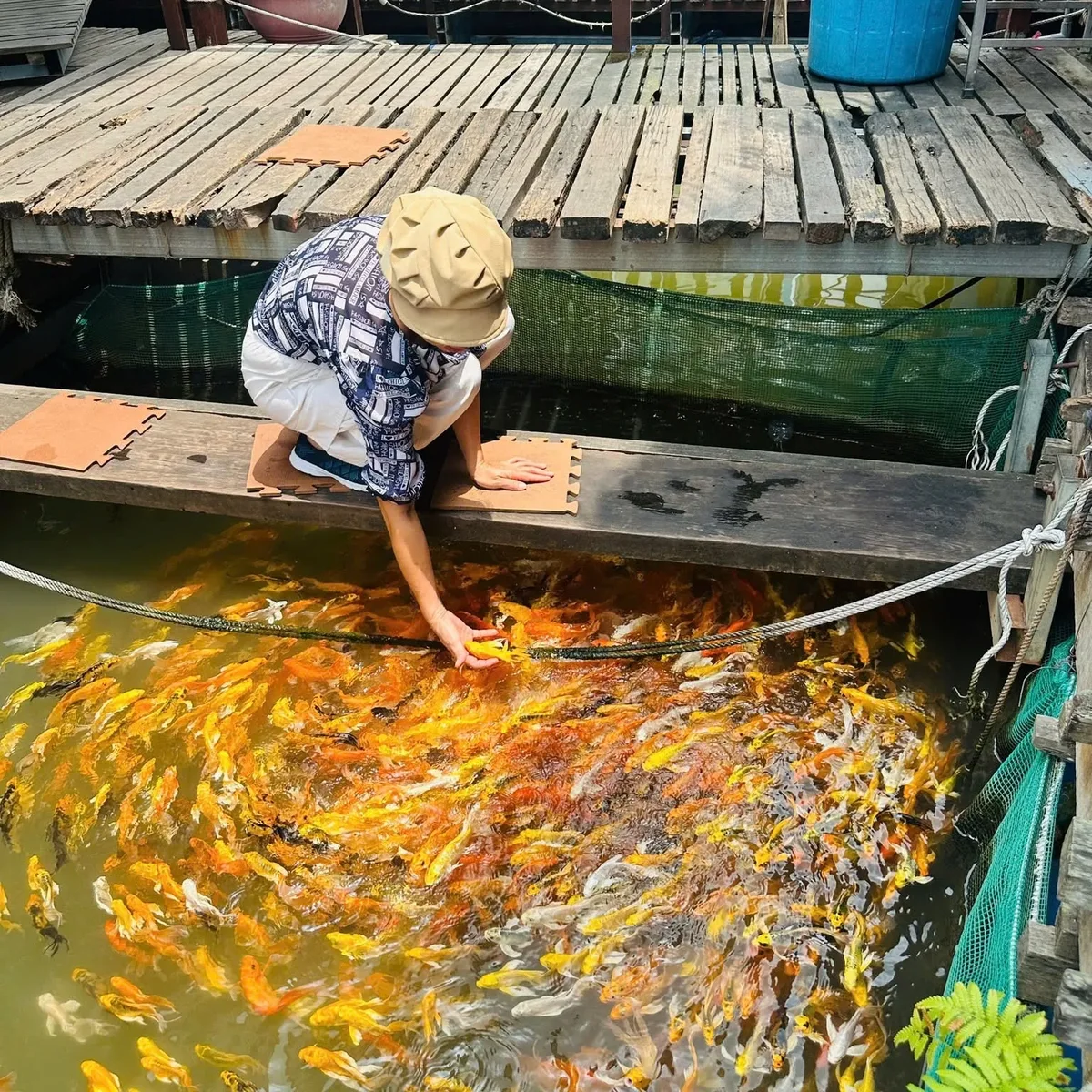
After the floating market, I made my way to Con Son Islet (KDL Sinh Thái Cồn Sơn), a peaceful eco-tourism island nestled in the middle of the river. I toured floating fish farms, watched the famous "flying snakehead fish" performance, walked through fruit orchards, and even joined local artisans in making traditional rice cakes (bánh dân gian). Here is an in-depth breakdown tailored from a foreign visitor’s perspective, with practical tips and details.
Timing & Duration
Tour Duration: 3 to 4 hours (usually offered as a half-day morning tour from 8:30 AM – 12:30 PM or an afternoon tour from 2:00 PM – 6:00 PM).
Best Time of Day: The morning slot is generally recommended. It is much cooler for walking outdoors, and the fish on the farms are active and hungry.
Getting There: Drive or take a Grab to Co Bac Ferry Station (Bến đò Cô Bắc) in Binh Thuy Ward. From there, take a short 5- to 10-minute small motorboat or ferry ride across the Hau River to Con Son Islet.
Organised English-Guided Tours (Most Popular for Foreign Travellers)
Because the island relies on local hosts who mostly speak Vietnamese, taking a tour includes a local English-speaking guide, hotel pick-up/drop-off, private boat transfers, entry tickets, all activity fees, and tastings.
Group Tour: $29 – $39 USD per person.
Private Tour: $45 – $55 USD per person (varies by group size).
Includes: English guide, round-trip boat transport, fish farm entry, the flying snakehead fish show, folk cake workshop (with tasting), fruit orchard walking & seasonal fruit tasting, and tea/snacks.
Self-Guided / Independent Visit (Budget Option)
If you prefer to navigate on your own, you can pay for components individually at the ferry station and on the island:
Round-trip Ferry Ride (Bến đò Cô Bắc): ~10,000 – 20,000 VND ($0.40 – $0.80 USD) per person.
Island Entrance & Sightseeing Fee: ~15,000 – 20,000 VND (~$0.80 USD).
Individual Activity / House Fees (Paid directly to local host families):
Floating Fish Raft Visit: ~15,000 – 30,000 VND ($0.60 – $1.20 USD).
Flying Snakehead Fish Show: ~30,000 VND (~$1.20 USD).
Folk Cake Making Experience: ~30,000 – 50,000 VND ($1.20 – $2.00 USD).
Fruit Orchard Entry & Tasting: ~30,000 – 50,000 VND ($1.20 – $2.00 USD).
Total Self-Guided Cost: Roughly 100,000 – 180,000 VND ($4.00 – $7.50 USD) per person for entry and activity fees combined.
Spiritual Tranquility
Back on the mainland, I spent a quiet afternoon visiting Truc Lam Phuong Nam Zen Monastery (Thiền Viện Trúc Lâm Phương Nam), the largest Buddhist monastery in the region. Before dinner, I stopped by Ong Temple (Chùa Ông) near the riverfront, a 19th-century Chinese temple filled with vibrant red lanterns, intricate wood carvings, and large spiral incense coils suspended from the ceiling.
Opening Hours: 06:00 AM – 06:00 PM daily.
Admission: Free entrance (parking may charge a small nominal fee of ~5,000 VND).
Location: My Khanh area, An Binh Ward (approx. 15 km from Ninh Kieu Wharf, right near My Khanh Tourist Village).
Highlights to See
Grand Main Hall (Đại Hùng Bửu Điện): Supported by 44 massive ironwood pillars, housing a 3.5-ton gilded bronze statue of Shakyamuni Buddha.
One Pillar Pagoda Replica: Set over a serene lotus pond reminiscent of the iconic Hanoi landmark.
Drum & Bell Towers: Elaborately carved wooden towers featuring a 1.5-ton bronze bell.
Lush Courtyards: Manicured gardens, stone statues of the 18 Arhats, and quiet walking paths.
Essential Visitor Guidelines
Dress Code: Strict modest dress is required. Ensure your shoulders and knees are covered (no tank tops, short shorts, or mini skirts).
Footwear Rules: Remove your shoes and hats before entering the main shrine halls.
Behaviour: Speak softly, avoid loud photography inside worship spaces, and do not touch ritual statues or ironwood pillars.
A Floating Dinner Experience
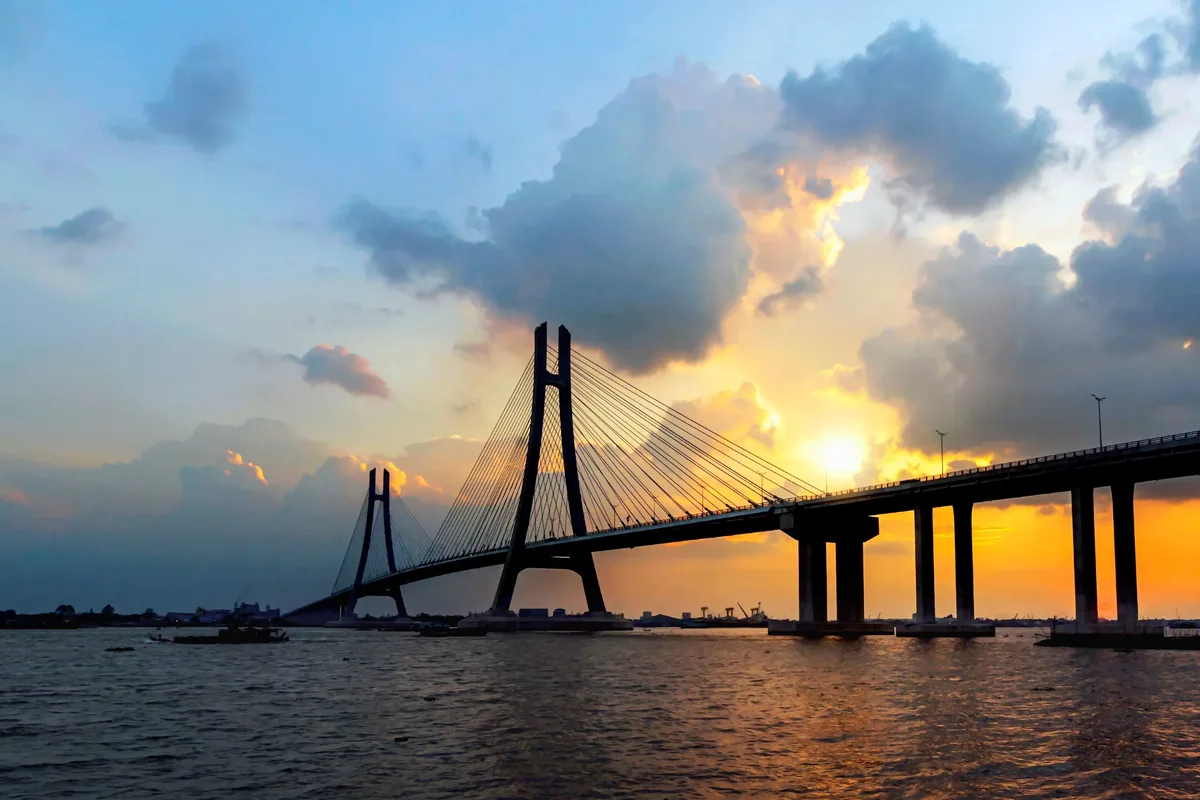
The Departure & Route: Most floating restaurant boats board passengers between 06:30 PM and 07:30 PM along Hai Bà Trưng Street at Ninh Kiều Wharf. At 07:30 PM, the boats set sail and cruise smoothly along the Hau River for about 90 minutes, offering views of the illuminated Can Tho Bridge and the city skyline.
The Music (Đờn Ca Tài Tử): As you dine, local performers take the stage to play traditional acoustic instruments, such as the đàn kìm (moon lute), đàn tranh (zither), and đàn bầu (monochord), accompanying folk singers.
The Food: Menus highlight Mekong Delta comfort food, with the signature Claypot Braised Fish (Cá Kho Tộ) being a standout dish.
Ninh Kieu Floating Restaurant (Du thuyền Ninh Kiều): Located right at Ninh Kieu Wharf. Features multiple decks, a lively traditional music atmosphere, and a broad menu of regional dishes like claypot fish, grilled squid, and hotpots.
Mekong Princess Dining Cruise (by Victoria Can Tho): Leaves from the Victoria Can Tho Pier. Offers a premium 2-hour set-menu dining experience with a quiet setting on the river.
Key Dining Details
Boarding & Ticket Fees: Most standard floating restaurants do not charge a boarding ticket fee; you simply pay for the dishes and drinks ordered.
Cost: Mains and signature claypot dishes range from 80,000 to 350,000 VND ($3.50 – $14 USD) per dish.
Day 3: Tropical Fruit Gardens, Local Shopping & Departure
A Hidden Oasis in Can Tho: Hoa Yên An Bình Café
If you are looking for a peaceful escape from the bustling streets of Can Tho, Hoa Yên An Bình is an absolute hidden gem. Tucked away in a quiet residential area, this café feels less like a commercial coffee shop and more like a lush, secret garden retreat, almost like a mini Da Lat hidden right in the Mekong Delta.
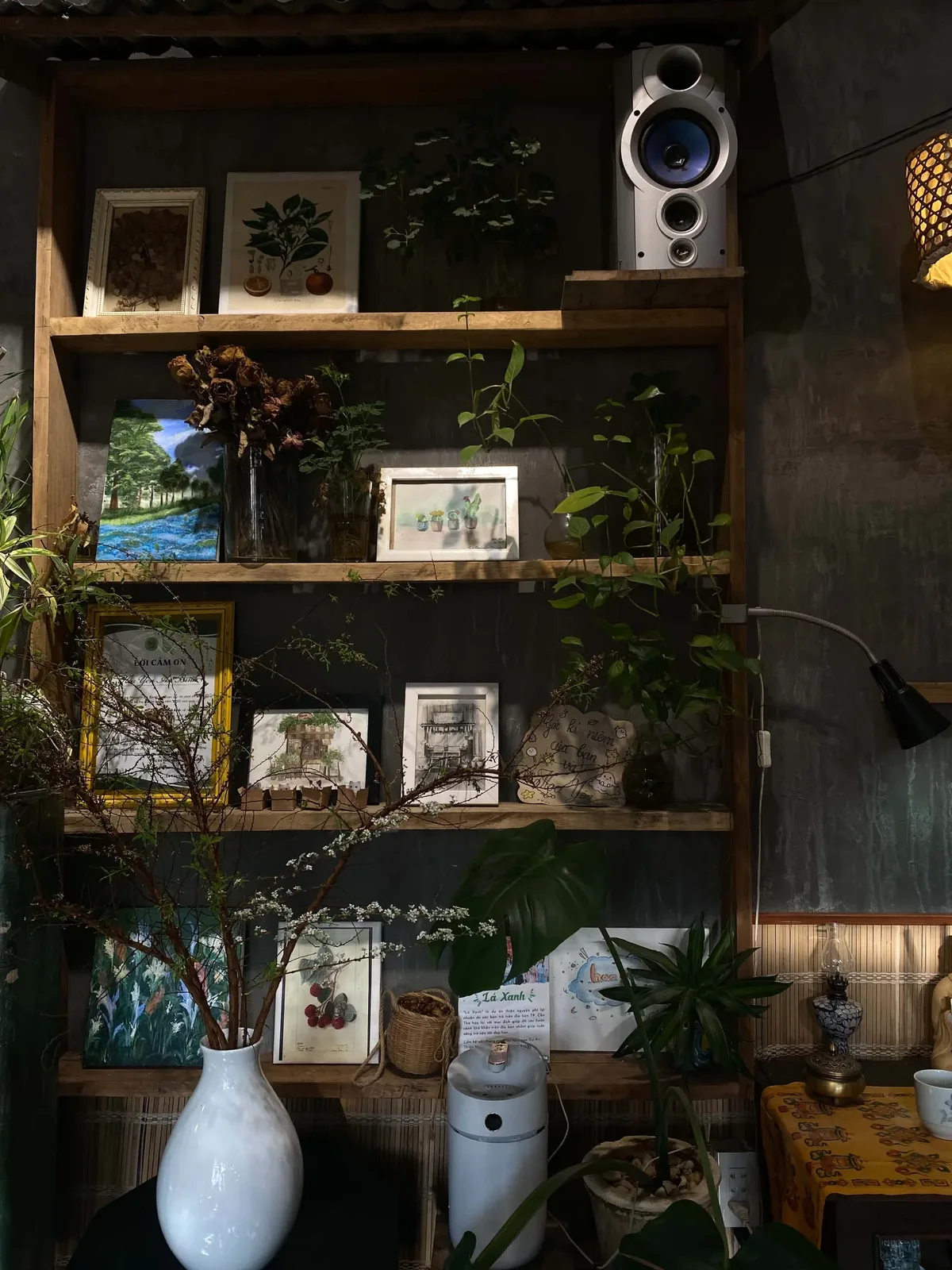
Charming Vintage Aesthetics: The café is beautifully designed with a retro 1980s Vietnamese vibe. Think weathered wooden tables, terracotta tiles, nostalgic ceramic cups, and vintage home decor. Every corner feels intentionally crafted, making it an absolute paradise for photography enthusiasts.
A Lush Garden Sanctuary: Surrounded by dense foliage, flowering plants, and natural shaded courtyards, the atmosphere is wonderfully cool and airy even on hot tropical afternoons. It is the perfect place to write in your journal, read a book, or simply unwind with cold-brewed herbal tea.
Relaxing Tea & Drinks Menu: Instead of just standard coffee, they offer a creative selection of floral-infused teas, artisanal herbal drinks, and traditional Vietnamese coffee served with lovely presentation.
Practical Visitor Information
Address: Alley 132, 3 Thang 2 Street, Hung Loi Ward, Can Tho (near An Binh area).
Vibe: Tranquil, earthy, vintage, and pet-friendly.
Best Time to Visit: Early morning (around 07:00–08:00 AM) for a quiet morning coffee, or late afternoon (around 16:30) when the temperature cools down and the golden light hits the garden.
Price Range: Extremely reasonable, ranging from 30,000 to 55,000 VND (~$1.20 – $2.20 USD) per drink.
Tasting Tropical Delights Straight from the Tree
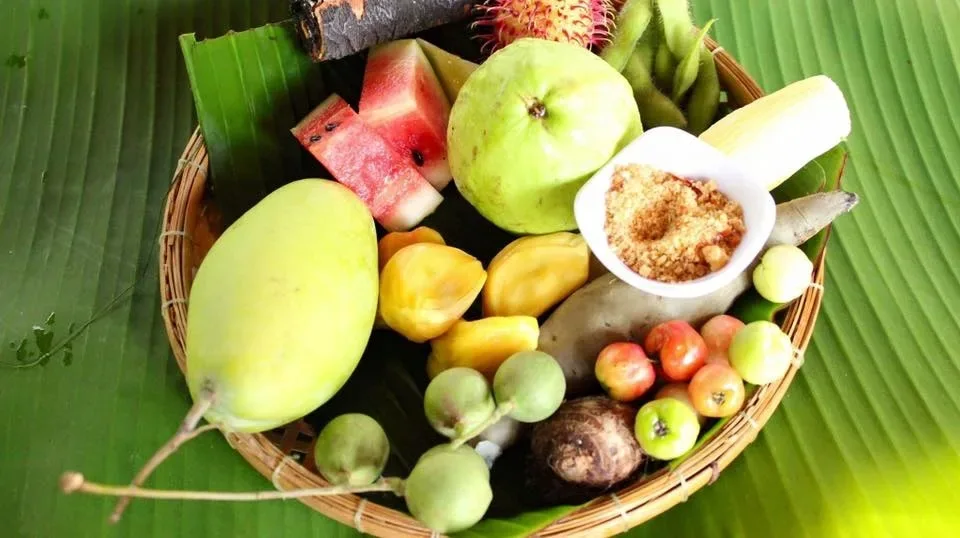
On my final morning, I visited a family-run fruit orchard in the countryside. Walking through rows of lush shade trees, I picked and tasted rambutan, mangosteen, and durian fresh off the branch while chatting with the generous farm owners.
Vàm Xáng Orchard (Vườn trái cây Vàm Xáng)
Location: Phong Dien, Can Tho.
Entrance Fee: ~50,000 VND ($2.00 USD) per person.
Why Visit: One of the region's most authentic, picturesque eco-gardens. It features over 40 varieties of fruit trees, including rambutan, mangosteen, and local Hạ Châu strawberries.
9 Hồng Orchard (Vườn trái cây 9 Hồng)
Location: My Khanh area, An Binh Ward, Can Tho.
Entrance Fee: ~20,000 – 50,000 VND ($1.00 – $2.00 USD).
Why Visit: Very visitor-friendly; you can row a small wooden boat through canal ditches lined with fruit trees, pick fresh fruit yourself, and pay by weight for whatever you harvest to eat on site or take home.
How it Works (Buying & Fruit Tasting)
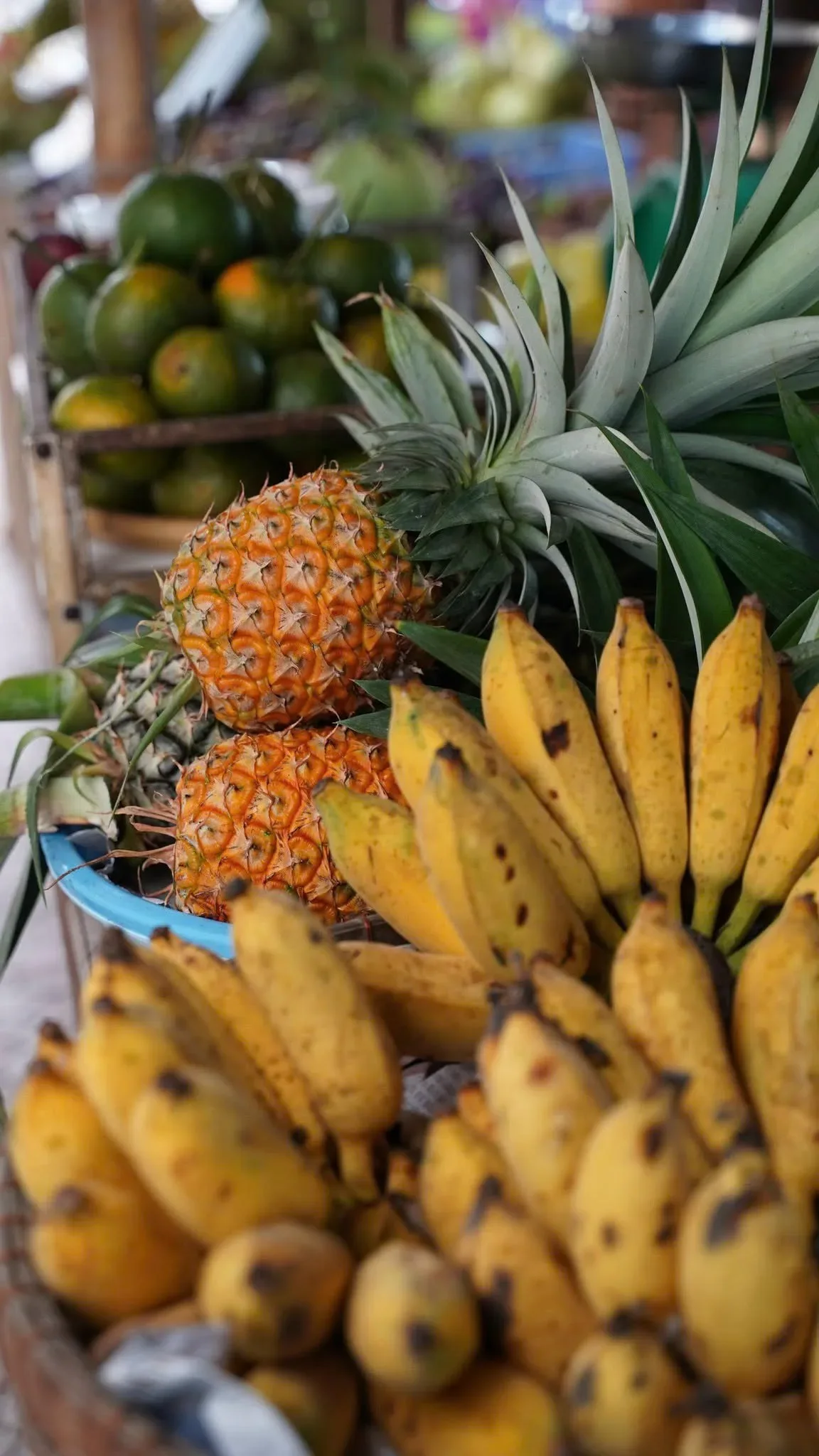
Entry Ticket / Tasting Fee: Most garden owners charge a small entry fee (20,000 – 50,000 VND), which allows you to walk through the grounds and sample seasonal fruits provided at rustic thatched huts.
Picking & Buying by Weight: If you want to pick specific fruits directly off the trees to take with you, ask the garden owner first. They will weigh your basket at the end and charge you standard local farm-gate prices (usually cheaper than city markets).
Seasonality Note: The peak fruit harvest season in the Mekong Delta is between May and August. During these months, rambutan, mangosteen, durian, and mangos are at their ripest and most abundant.
How to Get There
By Grab / Taxi: You can easily book a Grab car or taxi from central Can Tho straight to any orchard in Phong Dien (approx. a 20- to 30-minute ride).
By Boat Tour: Many morning boat trips departing from Ninh Kieu Wharf combine the Cai Rang Floating Market with a stop at an orchard in Phong Dien.
Market Shopping & Departure
Before leaving, I stopped by Can Tho Market (Chợ Cần Thơ) to grab some edible souvenirs—coconut candies, dried fruit slices, and local rice paper. I packed my bags, checked out of my hotel, and said goodbye to one of the most welcoming places I've ever visited in Asia.
How much does this 3-day Can Tho itinerary cost?
Can Tho is one of the more affordable destinations in Vietnam. The table below gives a rough per-person estimate for a two-night trip, assuming two people sharing a room and travelling by bus from Ho Chi Minh City. Prices are 2025 baselines and will vary with your choices.
Round-trip bus (FUTA, Ho Chi Minh City to Can Tho and back): around VND 370,000 ($14)
Accommodation (2 nights, budget to mid-range, per person sharing): VND 300,000 to 700,000 ($11.50 to $27)
Cai Rang Floating Market boat (private sampan, split between 2 to 5 people): VND 60,000 to 250,000 ($2.50 to $10) per person.
Con Son Islet (self-guided, ferry plus activity fees): VND 100,000 to 180,000 ($4 to $7.50)
Fruit orchard entry: VND 20,000 to 50,000 ($1 to $2)
Food and drinks (three days, local eateries and street food): VND 400,000 to 700,000 ($16 to $28)
Local transport (Grab, taxi, motorbike over three days): VND 200,000 to 400,000 ($8 to $16)
This works out to roughly VND 1,500,000 to 2,600,000 ($60 to $105) per person for a comfortable two-night trip. Choosing a private car, a guided island tour, or a floating-restaurant dinner will push the total higher, while a shared boat and street food throughout will bring it down.
Can Tho City travel tips and FAQs
How many days do you need in Can Tho?
Two nights are ideal. This gives you one early morning for the Cai Rang Floating Market and enough time to explore Ninh Kieu Wharf, Binh Thuy Ancient House, or Con Son Islet. Can Tho also fits naturally into a two-week Vietnam itinerary after visiting Ho Chi Minh City.
What time should you visit the Cai Rang Floating Market?
Leave between 5:00 and 5:30 a.m. The market is generally liveliest from around 5:00 to 7:00 a.m. and becomes quieter later in the morning.
Where should you stay in Can Tho?
Stay near Ninh Kieu Wharf for easy access to restaurants, evening walks, and floating-market boats. Cai Khe is usually quieter and more affordable but requires a short ride to the riverfront.
Do you need to book a floating-market tour?
Not necessarily, but booking through your hotel or a reputable local operator makes it easier to confirm the price, departure point, route, and duration. Ask whether the boat is private or shared before paying.
Is Can Tho safe for tourists?
Can Tho is generally safe, but normal precautions still apply. Keep valuables secure in crowded areas, use reputable transport services, and wear a life jacket during boat trips. These broader Vietnam safety tips are also useful for first-time visitors.
Can you drink tap water in Can Tho?
No. Drink bottled or properly filtered water and check that the bottle seal is intact.
What should you pack for Can Tho?
Bring lightweight clothing, sunscreen, a hat, comfortable footwear, and a light raincoat during the wet season. Mosquito repellent is particularly useful around rivers and gardens, so read this guide on how to avoid mosquito bites in Vietnam before travelling.
Can you rent a motorbike in Can Tho?
Yes, but only rent one if you are an experienced rider and hold the documents required to drive legally in Vietnam. Check whether your licence and International Driving Permit are valid in Vietnam before booking.
Is Can Tho suitable for vegetarian travellers?
Yes. Vegetarian restaurants are available in central Can Tho, and Vietnamese Buddhist eateries are often labelled “quán chay.” Confirm that broths and sauces do not contain fish sauce or meat stock.