
Table of Contents33 sections
- 1About this trip
- 2Day 1-3 in Hanoi
- 2.1Day 1: Arrival and an easy first walk
- 2.2Day 2: History and street life
- 2.3Day 3: Ninh Binh day trip
- 3Travel from Hanoi to Hoi An by Flight and Taxi
- 4Day 4-6 in Hoi An
- 4.1Day 4: Settling into the Ancient Town
- 4.2Day 5: Ancient Town and the coast
- 5Travel from Hoi An to Hue by private car
- 6Day 7-8 in Hue
- 7Travel from Hue to Ho Chi Minh City by flight
- 8Day 9-11 in Ho Chi Minh City
- 8.1Day 9: Arrival and an easy first night
- 8.2Day 10: War history and central Saigon
- 8.3Day 11: Cu Chi Tunnels, then take the afternoon easy
- 9Travel from Ho Chi Minh City to Can Tho by FUTA Bus
- 10Day 12-13 in Can Tho
- 10.1Day 12: Arrival and the river
- 10.2Day 13: Cai Rang floating market
- 11Travel from Can Tho to Ho Chi Minh City by FUTA Bus
- 12Day 14: Ho Chi Minh City
- 12.1Day 14: Departure
- 13Is this route worth following?
- 14FAQS
- 14.11. Is 14 days enough to travel from Hanoi to Ho Chi Minh City?
- 14.22. What is the best way to travel between destinations?
- 14.33. How much should I budget for this 14-day Vietnam itinerary?
- 14.44. What should I pack for a north-to-south Vietnam trip?
- 14.55. How can I avoid feeling rushed during the trip?
- 14.66. What should I book in advance?
- 14.77. Is this itinerary suitable for first-time visitors to Vietnam?
- 14.88. Do I need to rent a motorbike for this itinerary?
About this trip
Can you really see Vietnam in two weeks? Not all of it. But you can get a good feel for the north, center, and south without spending half the trip in transit.
This 2 weeks in Vietnam itinerary is the route I'd recommend for first-time visitors: Hanoi and Ninh Binh in the north, Hoi An and Hue in Central Vietnam, then Ho Chi Minh City and the Mekong Delta in the south. It gives you a mix of cities, food, history, countryside, and downtime while keeping the number of major travel days manageable.
A realistic mid-range budget is around $900 to $1,200 per person, excluding international flights and assuming two people share hotel rooms. March to April is also one of the easier times for a north-to-south trip, although Vietnam's weather varies a lot by region.
At a glance
Days: 14
Regions: North, Central, South
Stops: Hanoi → Ninh Binh (day trip) → Hoi An → Hue → Ho Chi Minh City → Can Tho → Ho Chi Minh City
Pace: Steady but active, with one deliberately open day and several lighter afternoons
Good for: First-timers, couples, solo travellers
Budget: Mid-range, around $900 to $1,200 per person
Getting around: 2 domestic flights, private-car transfers, 2 intercity bus rides, plus day trips to Ninh Binh and Cu Chi
Day 1-3 in Hanoi
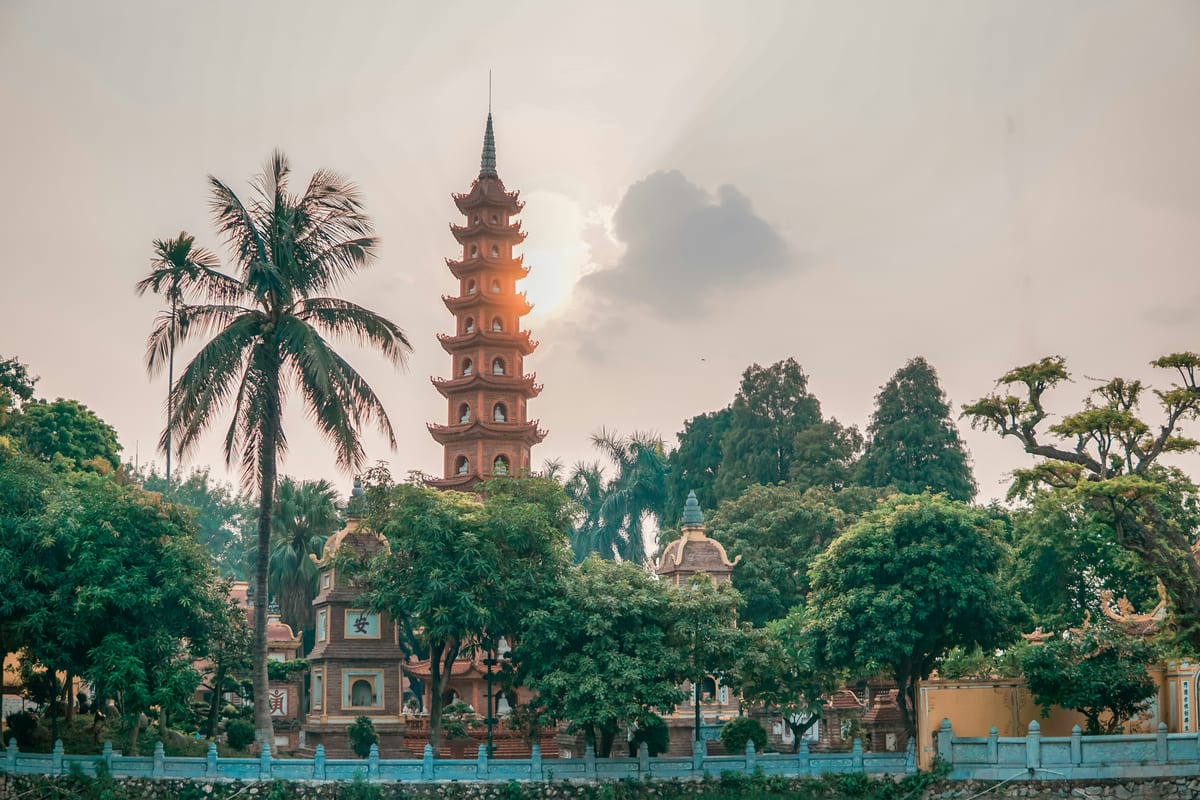
About Hanoi: Vietnam's thousand-year-old capital is a good place to start a first trip through the country. The Old Quarter, Hoan Kiem Lake, French colonial buildings, temples, cafés, and some of Hanoi's best-known food are packed into a relatively small part of the city, so you can see a lot without spending half the day in traffic.
Hanoi is busy from the moment you arrive, but the Old Quarter is compact enough to explore mostly on foot. Give yourself the first couple of days to get used to the motorbikes, narrow streets, sidewalk cafés, and the general rhythm of the city before heading out to Ninh Binh on Day 3.
Where to stay and how to get around
For a first trip to Hanoi, stay in the Old Quarter, somewhere within walking distance of Hoan Kiem Lake. It makes these first couple of days much easier because you can walk to most places instead of figuring out transport every time you leave the hotel.
If you want a hotel name to start with, La Siesta Classic Ma May is right on Ma May Street in the Old Quarter. Its location is convenient for this itinerary: Hoan Kiem Lake, Ta Hien, cafés, restaurants, and many of the streets you'll want to explore at night are within walking distance. Rooms start at around $71 a night for a Superior Room, while Deluxe Rooms are around $81.
Around the Old Quarter, walking is usually easiest. For anything farther out, just use Grab or Xanh SM.
Day 1: Arrival and an easy first walk
Keep the first day easy. Before you fly, make sure your Vietnam eVisa is sorted, since immigration counters move much faster when it's already approved. After landing at Noi Bai Airport, taking a Grab straight to a hotel in the Old Quarter is the simplest option. After a flight, it is much easier than carrying luggage onto a bus and then figuring out the last part of the journey. A Grab from Noi Bai to central Hanoi usually runs around $10 to $13 per car, and the drive is about 40 minutes when traffic is good. In practice, I'd leave 45 minutes to an hour for it.
If you'd rather spend less, there are a couple of useful alternatives:
Bus 86: about $2 per person. It runs between Noi Bai Airport and Hanoi Railway Station from 7:00 am to 10:15 pm. Bus 86 is a good option if you're traveling light and your arrival time works with the schedule.
Hai Van airport bus: about $3.50 per person. Routes NB01 and NB02 connect the airport with different parts of Hanoi and run about every 45 minutes, so check which route works better for your hotel before boarding.
You can check the latest fares, routes, and operating hours on the Noi Bai International Airport public transportation page, since airport transport details can change.
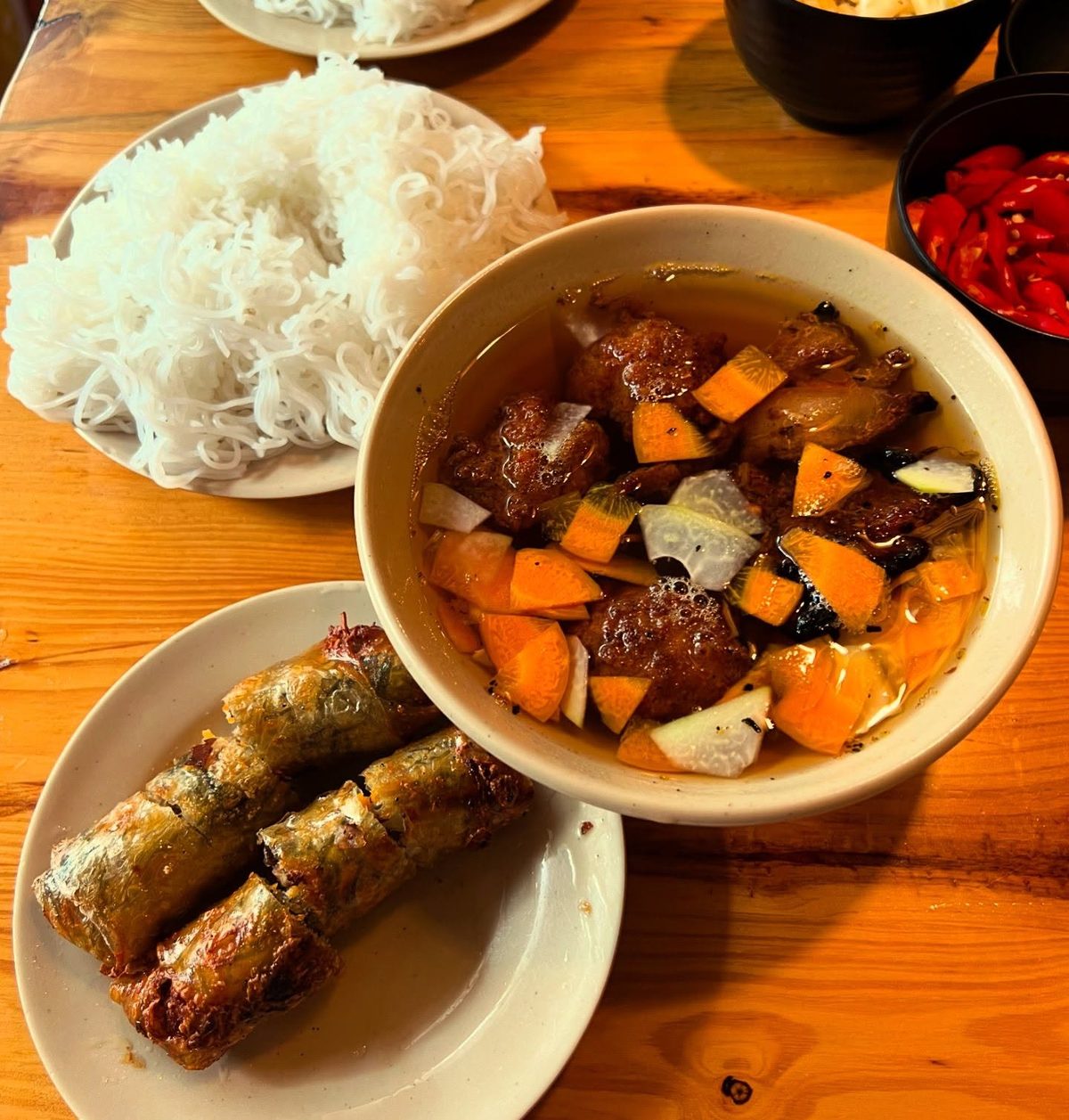
Once you've dropped your bags, there is no need to start ticking off attractions. Walk down to Hoan Kiem Lake, circle through the nearby streets, then explore whichever part of the Old Quarter looks interesting. A couple of hours walking around is a good way to get familiar with the area.
For dinner, start with bun cha. Bun Cha Ta on 21 Nguyen Huu Huan Street is easy to reach from most Old Quarter hotels and works well for a first night when you probably don't want to cross the city just to eat. A regular bun cha is around $3 to $4, while sets with spring rolls are closer to $5 to $6.
After dinner, wander back through the Old Quarter. If you still have some energy, Ta Hien gets much livelier later in the evening. If not, call it a night. There is plenty of Hanoi left for tomorrow.
Day 2: History and street life
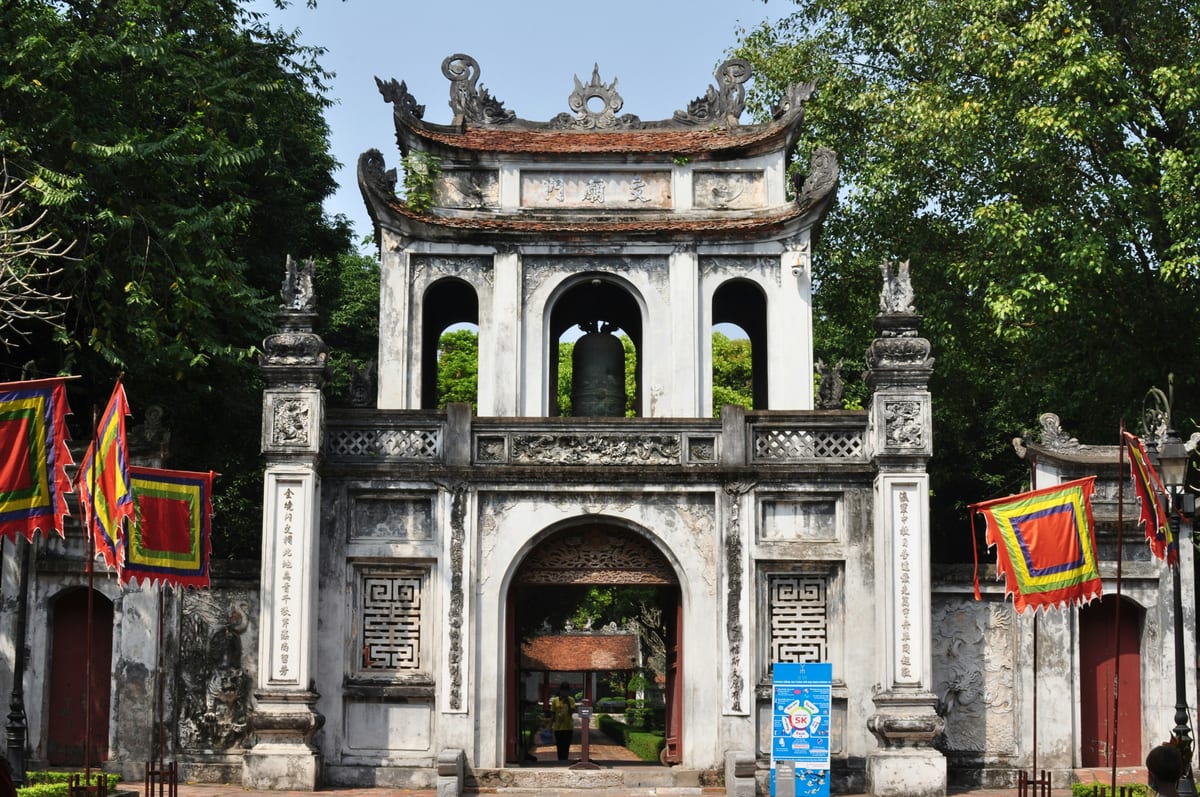
Start the morning at the Temple of Literature (about $2.70), ideally before the bigger tour groups arrive, then continue to Hoa Lo Prison (about $2). They are very different stops, but together they give you a much better sense of Hanoi than spending the whole morning wandering around the Old Quarter again.
For lunch, head to Pho Thin at 13 Lo Duc (around $2.40 to $3.20 a bowl). It's one of Hanoi's best-known pho shops, famous for its richer broth and beef stir-fried with garlic before it goes into the bowl. It's a little outside the Old Quarter, but close enough that it's worth the detour.
I wouldn't fill the afternoon with another long list of sights. Head back toward the Old Quarter, stop for coffee somewhere along the way, and leave yourself time to wander.

If you want to see Train Street, check the access situation before you go. The rules around entering the track area have changed more than once, so this is one place where it is better to ask your hotel or check locally on the day rather than plan too rigidly around it.
If you're in Hanoi on a weekend, finish the evening around Hang Dao and the Old Quarter night market. This is a good place to snack your way through the evening, browse stalls selling clothes, small souvenirs, and accessories, then keep walking toward Hoan Kiem Lake.
The surrounding streets become pedestrian-only on weekend evenings, and you may come across live music or other small public performances around the lake. Even if you're not shopping, give yourself an hour or two here. The Old Quarter feels completely different once the traffic clears and the streets fill with people.
Day 3: Ninh Binh day trip

About Ninh Binh: A province of dramatic limestone karsts, rice paddies, and slow rivers about two hours south of Hanoi, often called "Halong Bay on land." Its main draw is Trang An, a UNESCO World Heritage landscape of towering cliffs, cave passages, and quiet canals best seen from a small rowboat. It's an easy way to trade Hanoi's traffic and noise for a much slower landscape, which makes it a good change of pace after a couple of days in the capital
Hanoi to Ninh Binh day trip by private car
Hanoi → Ninh Binh → Hanoi
Duration: about 2 hours each way
The journey
Leg 1: Private car with driver
Old Quarter → Trang An → Mua Cave → Old Quarter
Around $100 to $105 per car, round trip
For this day trip, a private car is the most convenient option. A round trip from Hanoi to Ninh Binh with a driver runs around $100 to $105 per car. The big advantage is having the same driver for the whole day: hotel pickup in Hanoi, Trang An, Mua Cave, then straight back to the Old Quarter. It costs more than the van or train, but for a day trip this full, the convenience is worth it. A current reference rate is available from Rocket Car Rentals Vietnam.
Other ways to get there
Limousine van
Old Quarter → Trang An
Around 2 hours · about $9 per person each way
X.E Vietnam currently charges about $9 each way between Hanoi's Old Quarter and Trang An. This makes more sense for solo travelers, but another ride is still needed between Trang An and Mua Cave. Current schedules and fares are available on X.E Vietnam.
Train
Hanoi Railway Station → Ninh Binh Railway Station
Around 2h 10m to 2h 20m · roughly $3 to $8 on many regular services
The train is the cheapest option, but the private car is a better fit for this day trip. Ninh Binh Railway Station is still some distance from Trang An and Mua Cave, so the train adds another transfer after arrival and makes the return timing less flexible. Current train times are available through Vietnam Railways.
Leave Hanoi around 7:00 to 7:30 am to go straight to Trang An.

The Trang An boat trip costs about $11.50 per adult and usually takes around three hours. The small rowboats pass through caves, limestone valleys, and temple stops along the way. Current ticket information is available on the Trang An official site.
After the boat trip, stop for lunch before continuing to Mua Cave. Mountain goat and crispy rice are two Ninh Binh specialties worth trying. Dê Núi Chính Thư in Ninh Xuan fits the route well because it's on the way toward Mua Cave. Goat dishes start at around $7 a plate.

After lunch, head to Mua Cave (about $4 entry). Most visitors come for the viewpoint rather than the cave itself. Reaching the top means climbing nearly 500 stone steps, with views over the rice fields and limestone peaks around Tam Coc.
The climb is worth doing on a clear day, but it's also the easiest part of the itinerary to skip if Trang An has already made the afternoon feel full.
Then head back to Hanoi and spend the night there. Don't plan another major activity that night. After roughly four hours on the road, three hours at Trang An, and possibly the Mua Cave climb, dinner and an early night make much more sense. Staying in Hanoi also keeps the next morning's flight to Da Nang straightforward.
Travel from Hanoi to Hoi An by Flight and Taxi
Fly from Hanoi to Da Nang, then continue by taxi from Da Nang Airport to Hoi An, with the total journey taking around 2–2.5 hours.
Total travel time: about 2h 05m to 2h 15m, plus airport check-in time
The journey: 2 legs
Leg 1: Flight
Hanoi (HAN) → Da Nang (DAD)
Around 1h 20m - from about $35 one way
A morning flight leaves plenty of time to explore Hoi An that afternoon.
Airlines flying this route: Vietnam Airlines, Vietjet Air, Vietravel Airlines, and Sun PhuQuoc Airways.
Leg 2: Taxi
Da Nang International Airport → Hoi An Ancient Town
Around 45 minutes - about $12 to $13
This is the easiest option with luggage and takes you straight to the hotel.
Alternative Hai Van Bus from Da Nang Airport to Hoi An costs about $4.60 per person.
Day 4-6 in Hoi An
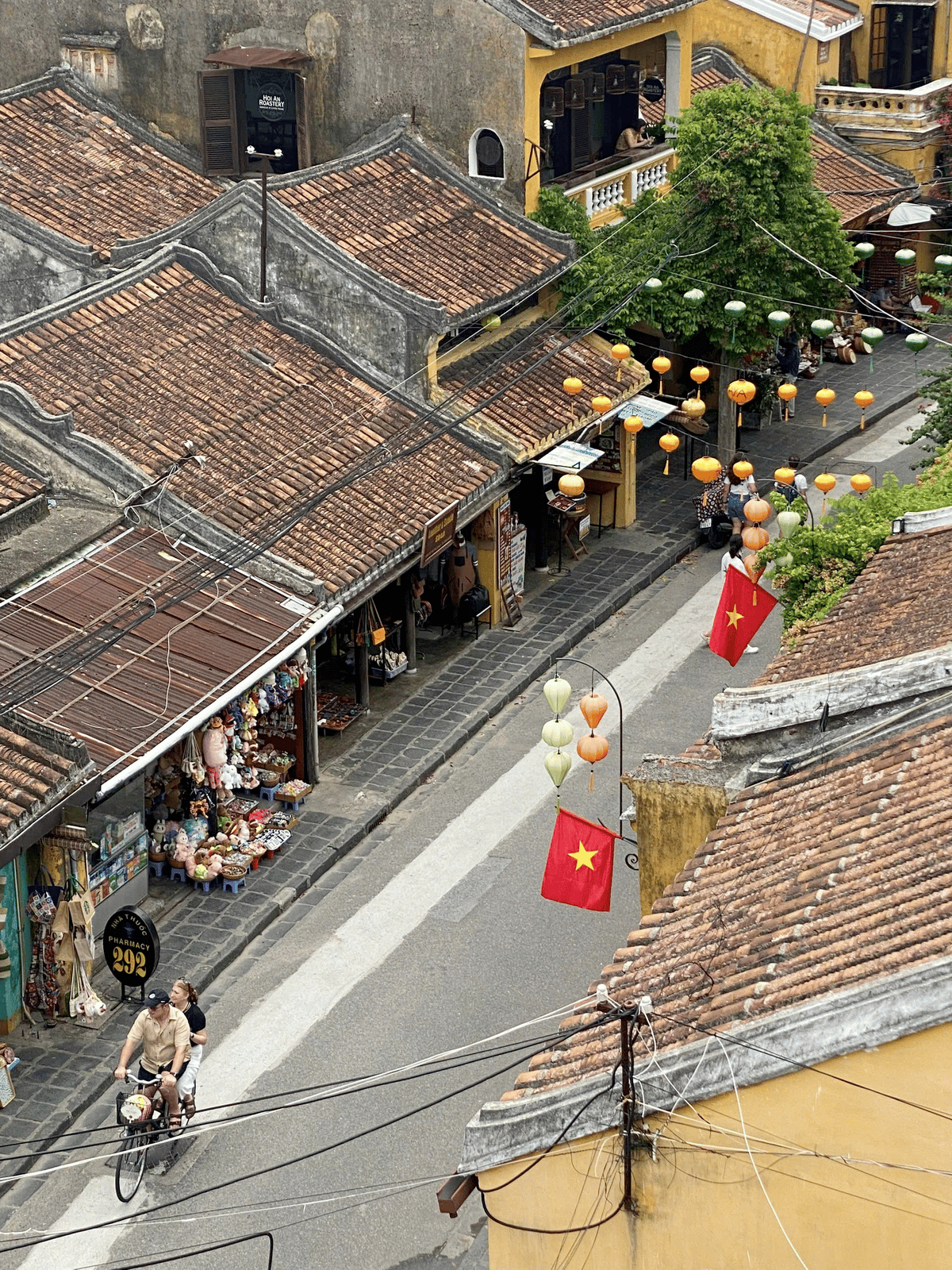
About Hoi An: A beautifully preserved trading port on the central coast, and a UNESCO World Heritage town where 15th-to-19th-century merchant houses, Chinese assembly halls, and the famous Japanese Covered Bridge still line the streets. By day it's a working town of tailors, markets, and cafés; by night the Ancient Town glows under thousands of silk lanterns. Add An Bang Beach a short ride away and some of the most distinctive food in Vietnam, and it's easy to see why so many travellers call this their favorite stop.
Hoi An is where the trip changes gear. After the density of Hanoi, this town feels almost sleepy, in the best way.
Where to stay and how to get around
Base yourself a short walk from the Ancient Town rather than right in the middle of it. Staying a few minutes outside the old streets gives you a quieter base at night while keeping the lantern-lit center within walking distance.
Getting around: on foot inside the Ancient Town (most of it is a pedestrian zone anyway)
For An Bang Beach and anywhere outside the old streets: a rented bicycle (most hotels have them free or cheap) or Grab
Hoi An Central Boutique Hotel & Spa is one option on the edge of the Ancient Town, within easy walking distance of the old streets. Standard rooms typically cost around $38 to $105 per night, depending on the season and room type.
Day 4: Settling into the Ancient Town
Keep the first afternoon in Hoi An light. Spend the late afternoon wandering the Ancient Town, then come back after dark once the lanterns are lit. Hoi An changes noticeably in the evening, and it is worth seeing the old town both before and after sunset. For dinner, try cao lau, one of the dishes most closely associated with Hoi An.
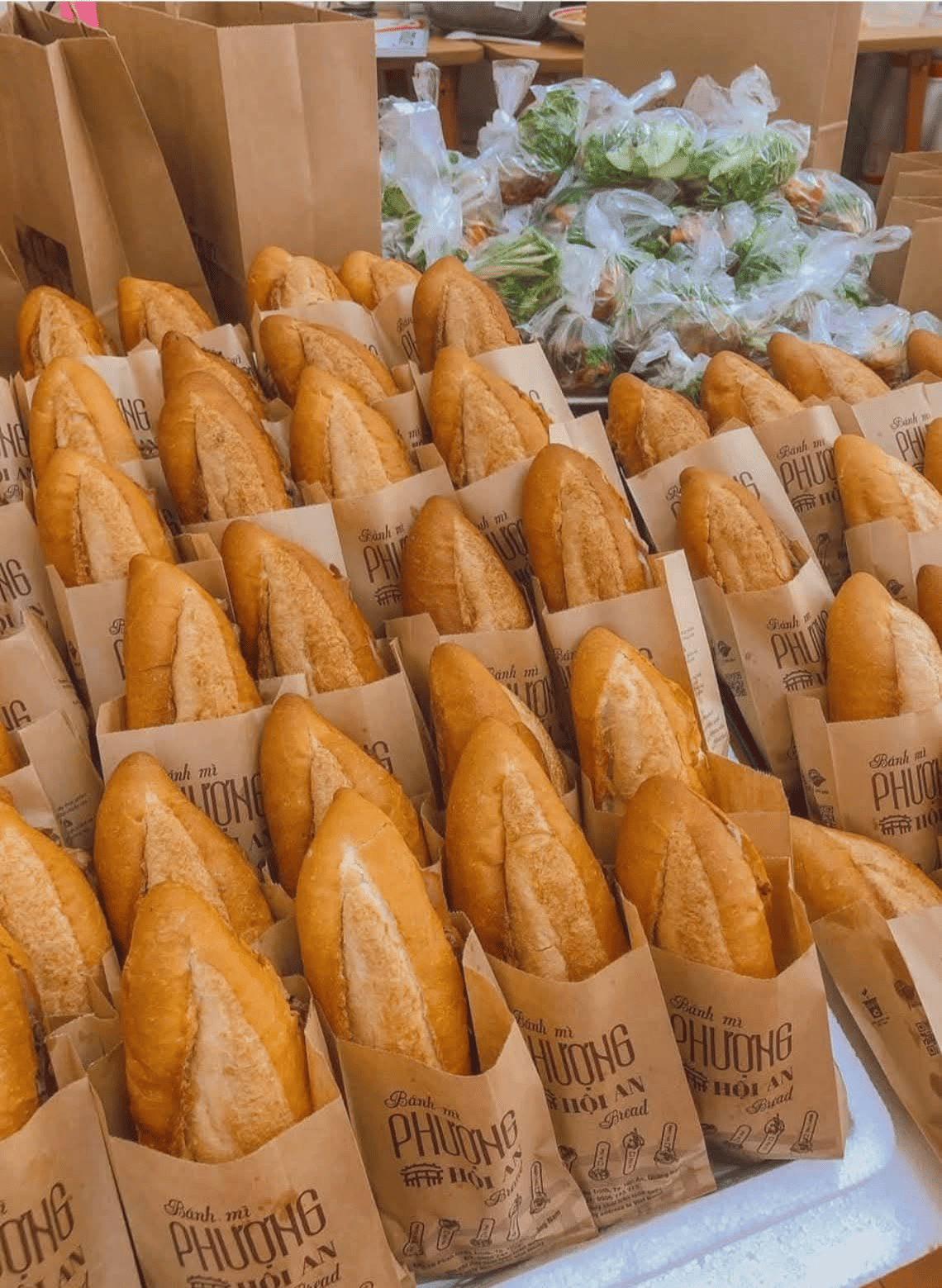
Bánh Mì Phượng is one of Hoi An's best-known bánh mì shops and an easy food stop to add while exploring the Ancient Town. Its sandwiches combine a crisp baguette with meats, pâté, fresh herbs, vegetables, and sauce, with most options costing around $3 to $5.
Day 5: Ancient Town and the coast
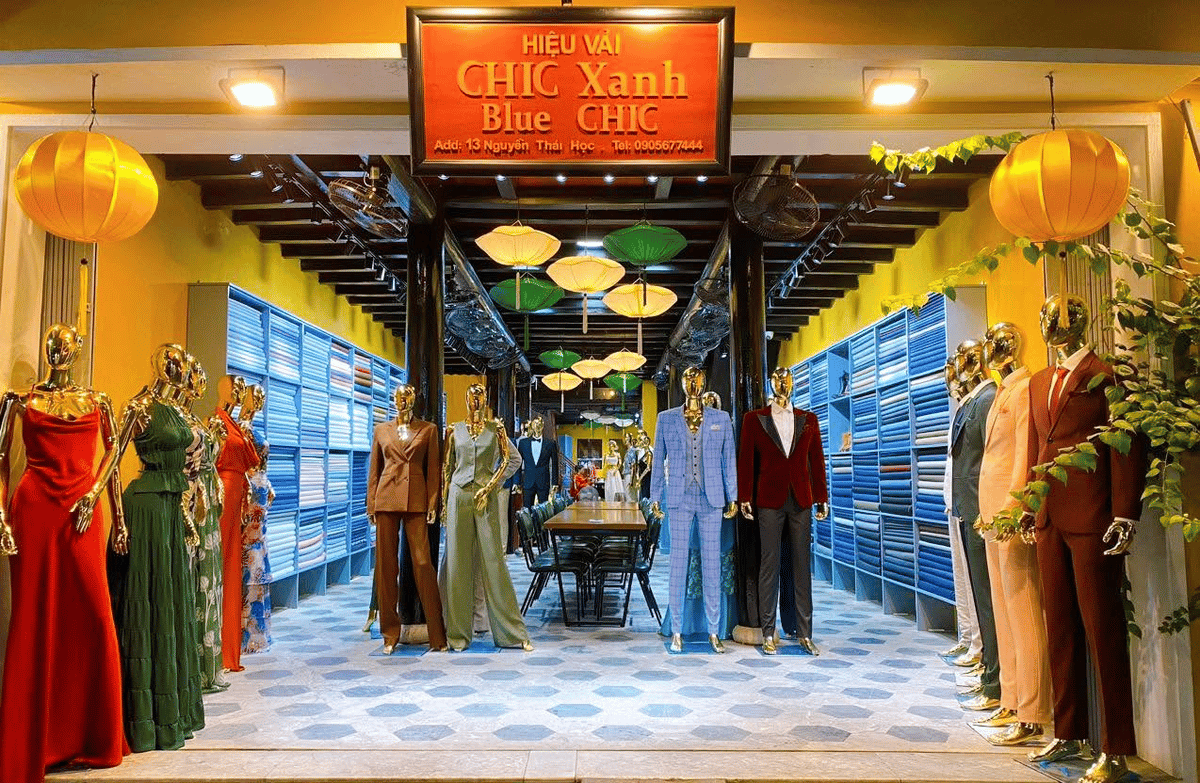
Hoi An is also well known for custom tailoring, and prices can be surprisingly accessible compared with made-to-measure clothing in many other destinations. A custom suit can start at around $80 to $150, while custom shirts may cost around $20 to $40 each. Most tailors let you choose the fabric, color, style, and details before returning for one or more fittings. If custom clothing interests you, start early enough in your stay to leave time for adjustments.
Use the morning for the main parts of the Ancient Town: the Japanese Covered Bridge, old merchant houses, and Central Market. The market is especially worth including because it shows a more everyday side of Hoi An beyond the heritage buildings. In the afternoon, head to An Bang Beach, about a fifteen-minute ride from town, and leave a few hours free for swimming or simply relaxing. A Vietnamese cooking class also works well in the evening if you want a more hands-on introduction to local ingredients and dishes.
Day 6: Open day at the beach
Deliberately leave this day open. After five days of moving, An Bang Beach is an easy place to spend most of the day without adding another sightseeing schedule. If you would rather keep exploring, Marble Mountains is a reasonable half-day add-on, but keeping this as the trip's main rest day makes the overall itinerary easier to manage.
The next stretch of the trip has more moving parts, and this is the easiest place in the whole itinerary to slow down.
Travel from Hoi An to Hue by private car
Hoi An → Hue
Travel time: about 3 to 4.5 hours
Private car via Hai Van Pass
Hoi An → Hai Van Pass → Lang Co → Hue
From about $52 per car
Taking a private car via Hai Van Pass turns the transfer into part of the trip, with time to stop at Hai Van Pass and Lang Co instead of going straight through the tunnel. Private cars currently start at around $52 for a 4-seater, with hotel pickup and drop-off included.
Alternative: A Hoi An Express shared shuttle from Hoi An to Hue currently costs $17 per person. It's cheaper, but the private car is the better choice for this itinerary if the Hai Van Pass drive is part of the experience.
Day 7-8 in Hue
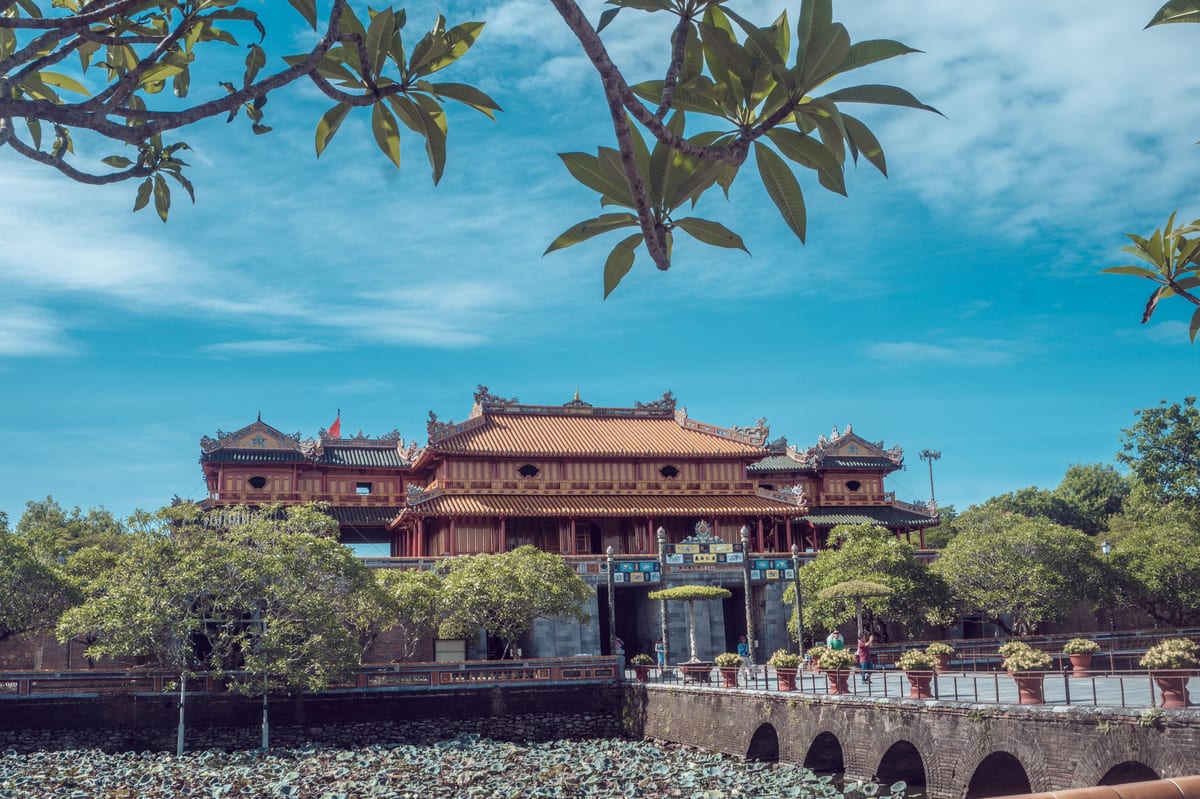
About Hue: Vietnam's imperial capital from 1802 to 1945, home of the Nguyen Dynasty, and still the country's most history-dense city. The walled Imperial Citadel dominates the north bank of the Perfume River, while elaborate royal tombs and pagodas are scattered through the hills around town. Hue also has its own distinct cuisine, born from the demands of the royal court, with bun bo Hue as its most famous export. It's quieter and more contemplative than Hoi An, and it rewards travellers who like their history in depth.
Hue moves at a different speed than Hoi An, less about wandering and more about history, since this was Vietnam's imperial capital for over a century.
Where to stay and how to get around
Base: near the Perfume River, walking distance to the old Citadel walls
Getting around: on foot for the riverside and Citadel area
For Khai Dinh Tomb and anything further out: Grab or Xanh SM, both operate here
For Hue, Meliá Vinpearl Hue is a convenient option near the city center. It is within walking distance of the Perfume River, Hue Walking Street, and Truong Tien Bridge, while the Imperial Citadel is a short Grab ride away. Standard rooms can cost around $55 to $85 per night, depending on the season and booking date.
Day 7: Arrival and the river
After arriving from Hoi An in the early afternoon, keep the rest of the day easy. A walk along the Perfume River in the late afternoon is a good way to get oriented, and Dong Ba Market nearby is worth a look even if you're not buying anything. It feels more local and less geared toward tourists than the markets in Hanoi or Hoi An. Dinner here should be bun bo Hue, the spicy beef noodle soup the city is named for. It's sharper and more peppery than the pho you'll have had up north, and it's the one dish worth prioritizing while you're in Hue.
Bún Bò Huế Mụ Rơi (Bụi Tre Vàng) at 85 Phan Dang Luu is frequently recommended as one of Hue's traditional bun bo spots, with beef, pork toppings, and crab rolls among the options. A bowl costs around $1 to $2, making it an inexpensive place to try bun bo Hue. It is primarily a morning stop, opening around 6:00 to 10:00 am, so plan it for breakfast rather than dinner.
Day 8: The Khai Dinh Tomb
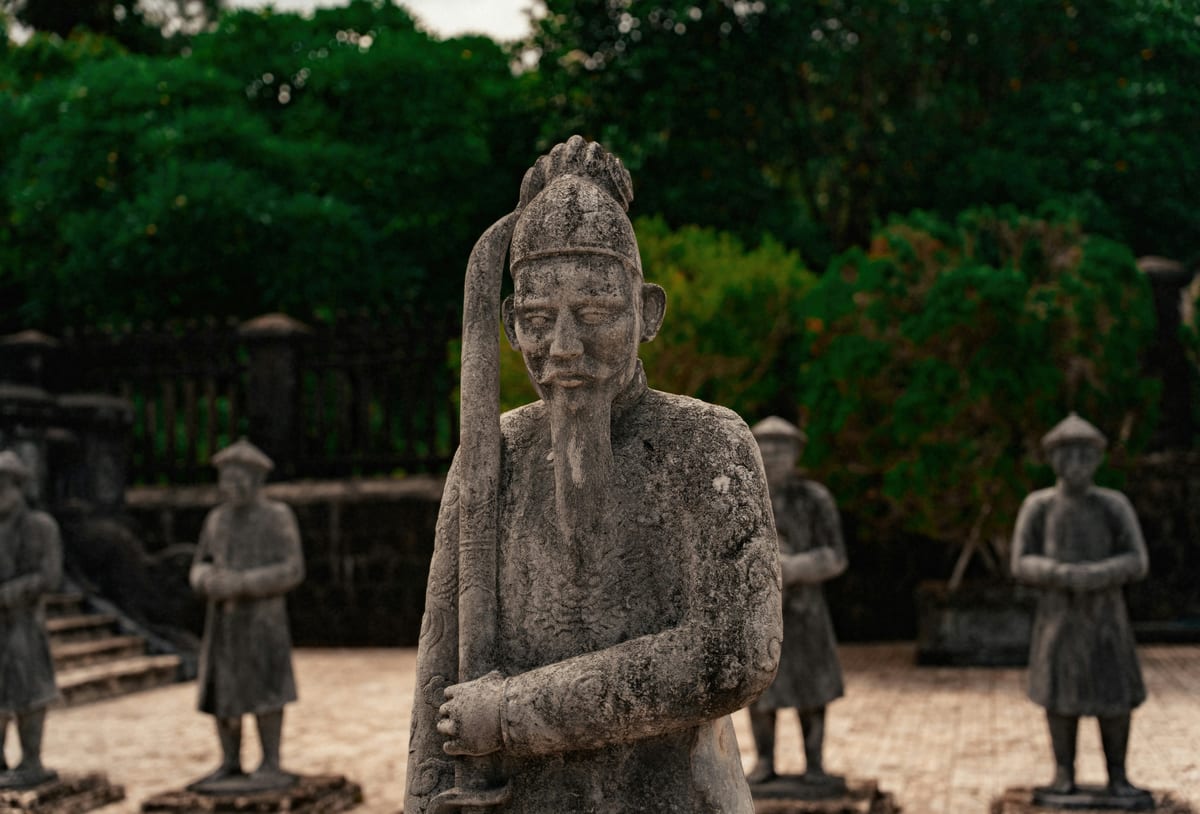
Give most of Day 8 to Hue's historical sites, starting early at the Imperial Citadel before the heat builds. It's a large complex, and you can easily spend three or four hours inside the walls. After lunch, continue to Khai Dinh Tomb, a shorter stop with architecture that contrasts sharply with the Citadel. Finish the afternoon at Thien Mu Pagoda on the riverbank before the flight south the next morning.
Travel from Hue to Ho Chi Minh City by flight
Hue → Ho Chi Minh City
Travel time: about 1h 25m to 1h 30m, plus airport check-in time
The journey · 2 legs
Leg 1: Flight
Hue (HUI) → Ho Chi Minh City (SGN)
Around 1h 25m to 1h 30m · from about $36 one way
Flying this stretch makes more sense than spending most of a day traveling overland. Vietnam Airlines and Vietjet Air currently operate direct flights between Hue and Ho Chi Minh City. Vietnam Airlines is currently showing economy fares from around $36 one way on selected dates.
Leg 2: Grab
Tan Son Nhat International Airport → District 1
Around 25 to 40 minutes · about $5 to $8 per car
Once in Ho Chi Minh City, take a Grab straight to the hotel in District 1. It's the easiest option with luggage, and the fare is usually around $5 to $8 per car from the airport to the city center.
Day 9-11 in Ho Chi Minh City
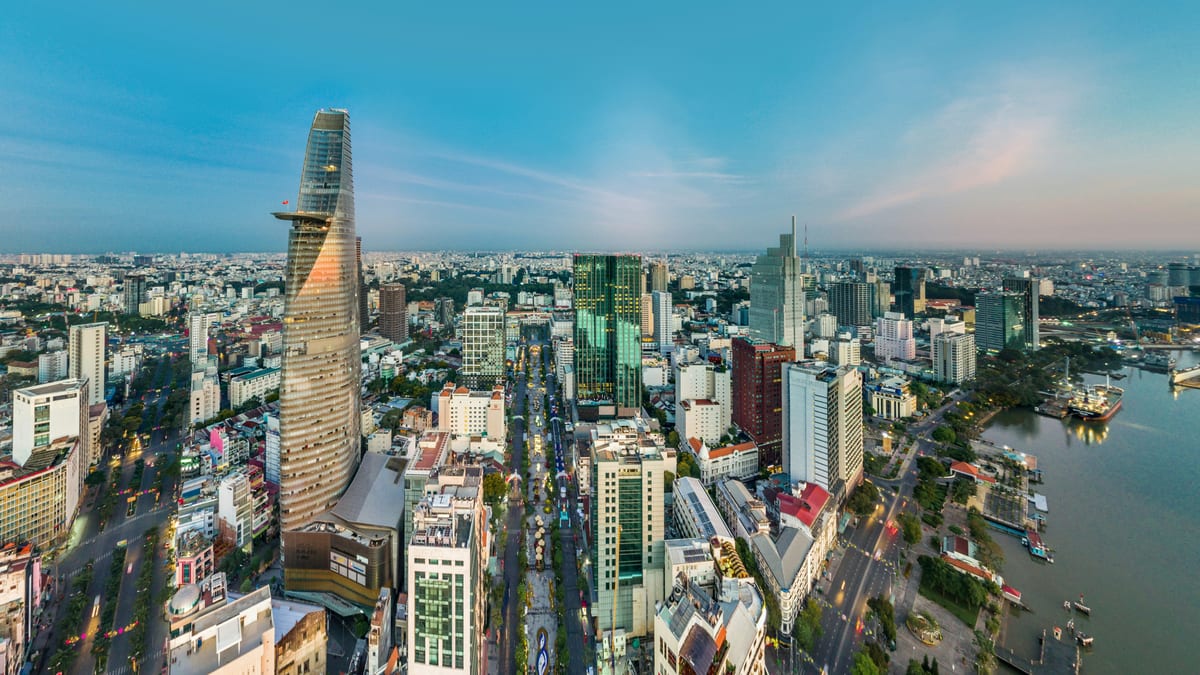
About Ho Chi Minh City: Vietnam's largest city and its economic engine, a place of rooftop bars, war museums, French colonial landmarks, and street food on every corner, all running at full speed. District 1 holds most of what visitors come for: the Nguyen Hue walking street, Ben Thanh Market, the Reunification Palace, and the War Remnants Museum. Where Hanoi feels shaped by its past, Saigon feels pointed toward its future, and the contrast between the two is one of the most interesting aspects of travelling the length of the country.
Saigon, as Ho Chi Minh City is still commonly called, feels very different from Hanoi in pace and energy: faster, louder, and more modern.
Where to stay and how to get around
District 1 is the easiest base for this part of the trip. Staying around Ben Thanh or Nguyen Hue keeps much of downtown within walking distance, while anything farther out is usually a quick Grab ride.
Edoya Hotel Ben Thanh is a convenient central option, just a few minutes from Ben Thanh Market. Rooms start at around $59 a night, with Superior rooms around $63 and Deluxe City View rooms around $71.
Walking is fine around the downtown core. For longer trips, or when the afternoon heat gets uncomfortable, Grab or Xanh SM is usually easier.
Day 9: Arrival and an easy first night
After the flight from Hue, keep the rest of the afternoon deliberately light. Check in, drop the bags, and wait until the heat starts to ease before heading out.
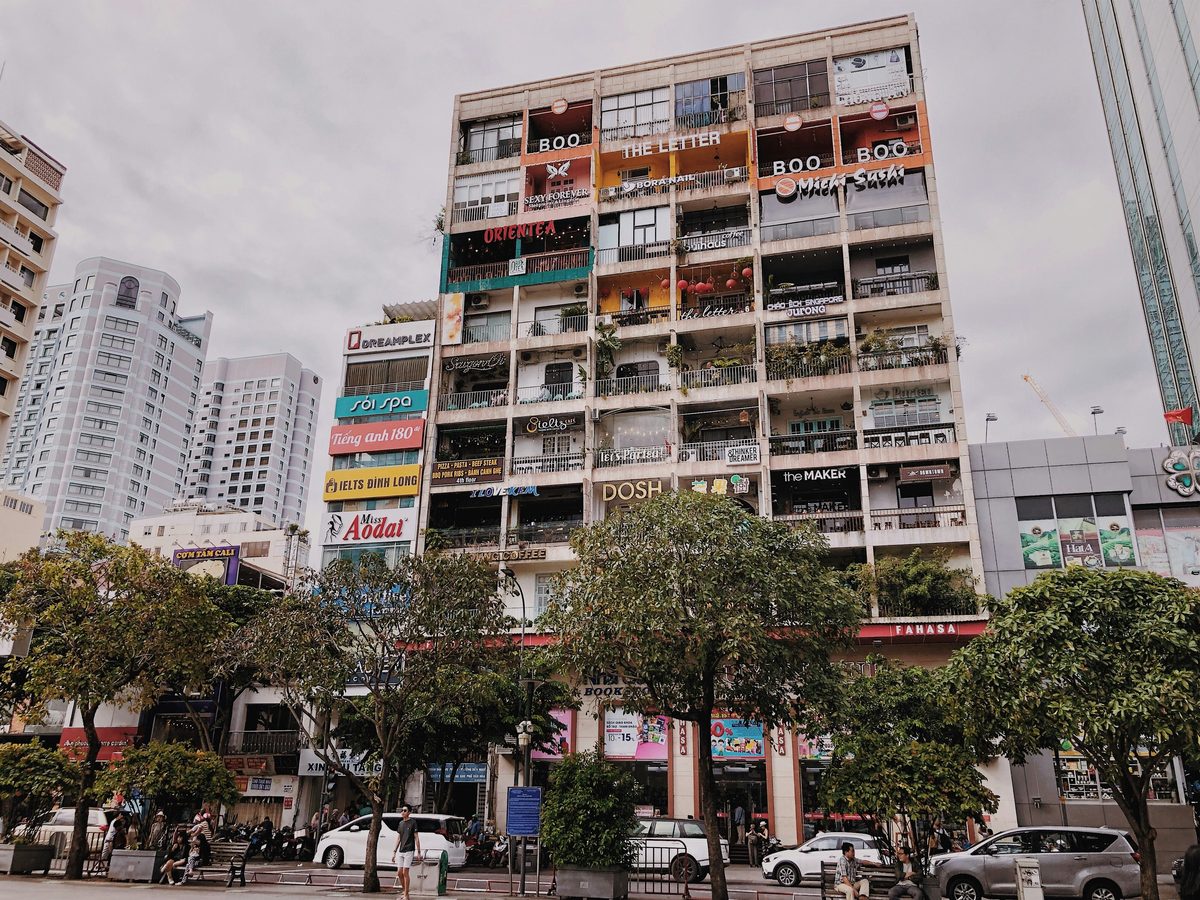
Start around Nguyen Hue Walking Street in the late afternoon and walk down toward the Saigon River. This part of the city is much better after dark, when the buildings light up and the street starts filling with people. There is enough happening around here that the first evening doesn't need a long sightseeing list.
For dinner, Hoa Túc in District 1 is an easy option without going far from Nguyen Hue. The bò lá lốt bánh hỏi is around $6.50, making it a convenient first dinner in Saigon before heading out again for the evening.

If there's still some energy afterward, head over to Bui Vien Walking Street. It's loud, crowded, touristy, and full of bars, street food, and live music. An hour is enough to get the idea before heading back to the hotel.
Day 10: War history and central Saigon
Start the morning at the War Remnants Museum (about $1.50). It's a heavy visit, but one of the stops that adds the most context to the history you'll have been seeing throughout the trip.
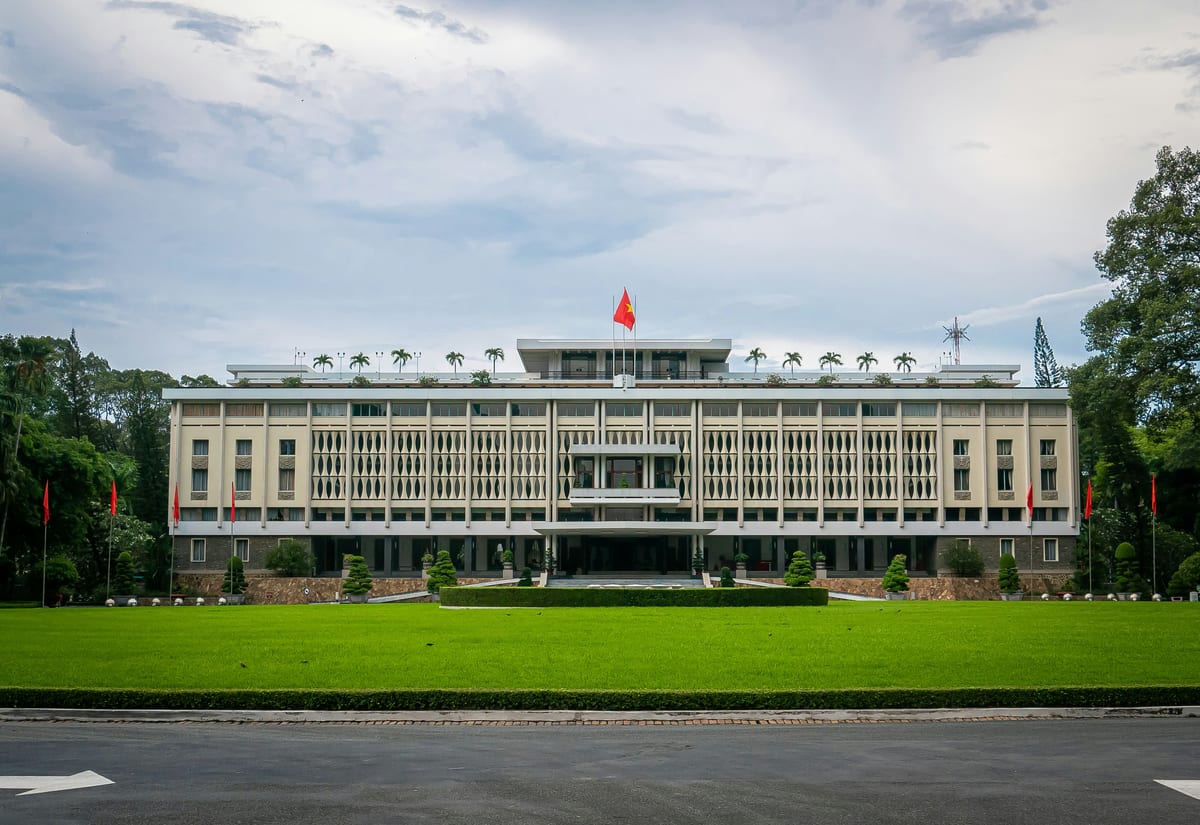
From there, continue to the Independence Palace (about $3). The two sights fit naturally into the same morning and are close enough that there's no need to spend much time in traffic.
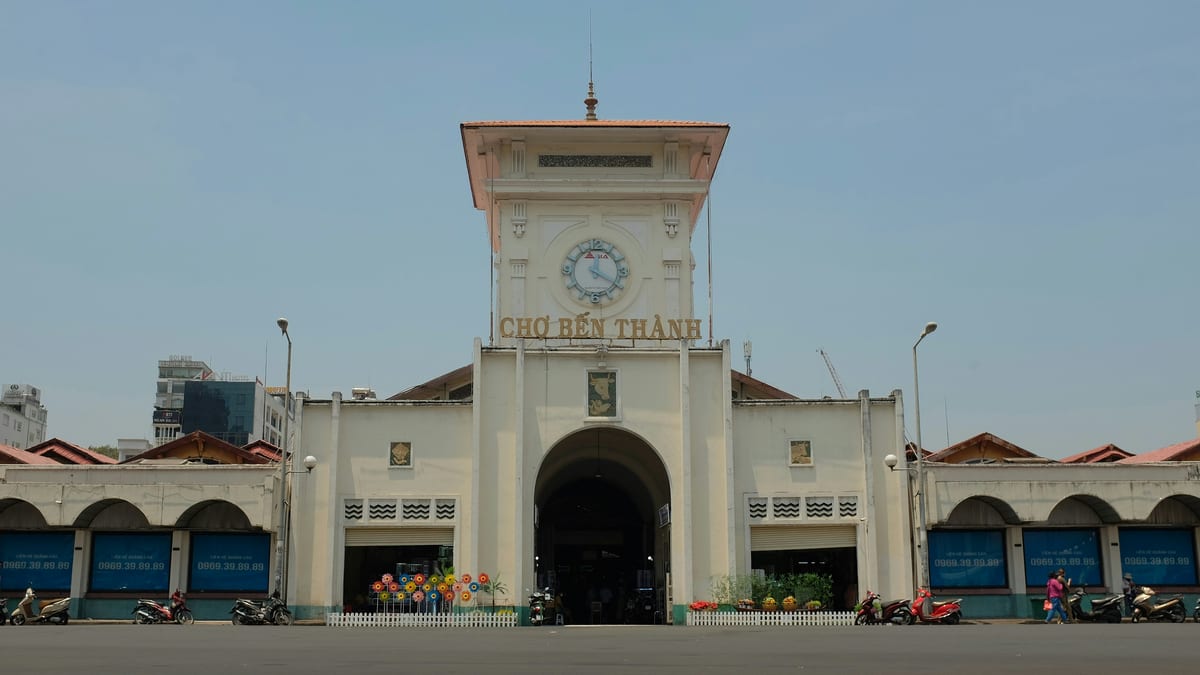
That is enough history for one day. Spend the afternoon around Ben Thanh Market and the streets nearby instead of adding another museum. The market is touristy, but it's still fun to walk through the coffee, dried fruit, food, clothing, and souvenir stalls.
For dinner, head to Cơm Tấm Ba Ghiền in Phu Nhuan, one of the city's best-known cơm tấm spots. Sườn nướng is the dish to order here, with a basic plate around $2.50 to $4 and larger combinations with bì, chả, or egg closer to $4 to $5.
Day 11: Cu Chi Tunnels, then take the afternoon easy
Travel to Cu Chi Tunnels by group tour
Ho Chi Minh City → Cu Chi → Ho Chi Minh City
Total time: about 7 hours
The journey · 1 leg
Leg 1: Small-group tour
District 1 → Cu Chi Tunnels → District 1
From about $23 per person
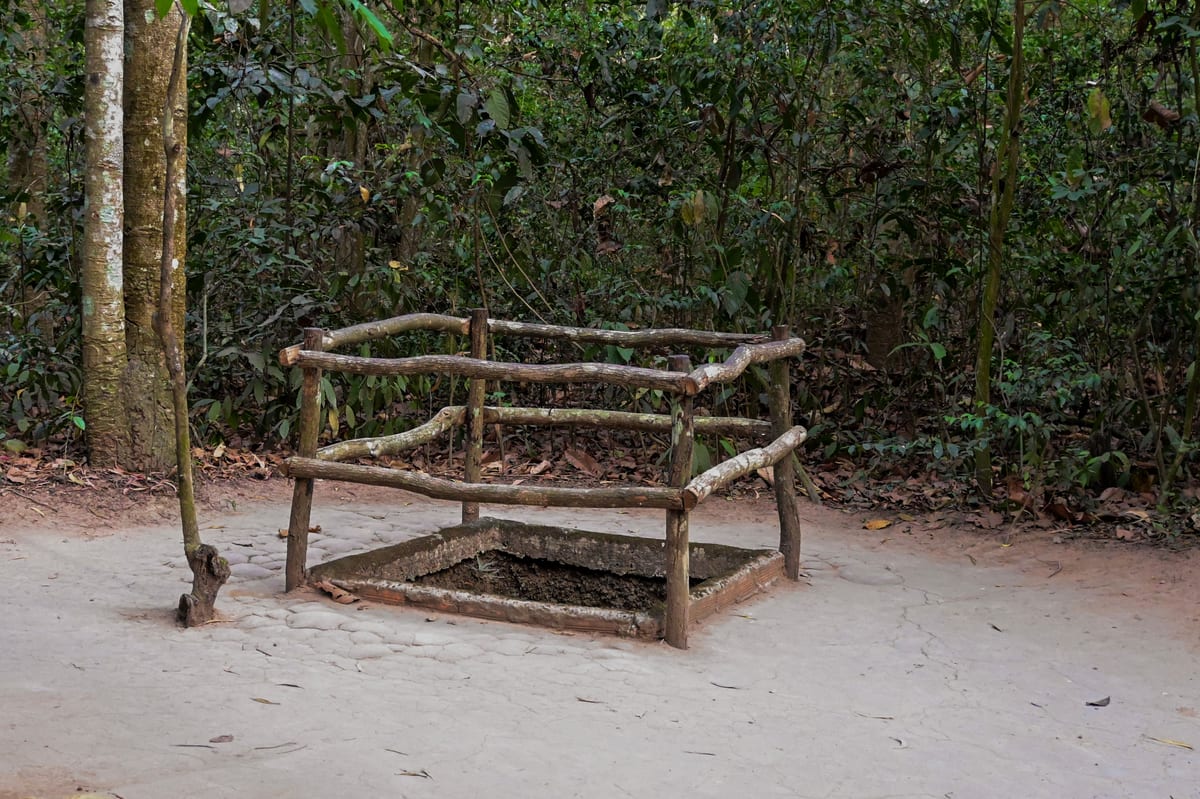
A morning small-group tour is the simplest way to organize this day. Kim Travel currently lists its Cu Chi tour from around $23 per person, with transport, a guide, entrance fees, and central District 1 pickup included.
Alternative: Speedboat tours to Cu Chi start at around $90 per person. They cost much more, but cut out most of the long road journey.
The tunnels make much more sense with a guide explaining how the underground network worked. There are sections of tunnel to crawl through, reconstructed bunkers, traps, and wartime displays spread around the site.
Back in the city by the afternoon, leave the rest of the day open. No second major attraction here. Lunch, a café, the hotel pool, or simply a couple of quiet hours makes more sense before heading to Can Tho the next day.
Travel from Ho Chi Minh City to Can Tho by FUTA Bus
Ho Chi Minh City → Can Tho
Travel time: around 3 to 4 hours
The journey · 1 leg
Leg 1: FUTA Bus
Mien Tay Bus Station → Can Tho Central Bus Station
About $7 per person
FUTA Bus Lines is a straightforward option for this stretch. Current tickets are around $7 per person, and the trip usually takes somewhere between three and four hours once traffic is factored in.
Alternative: Thanh Buoi also runs this route, with current tickets starting at around $6.30 per person. For this itinerary, FUTA is the simpler choice, with only a small price difference between the two.
Day 12-13 in Can Tho
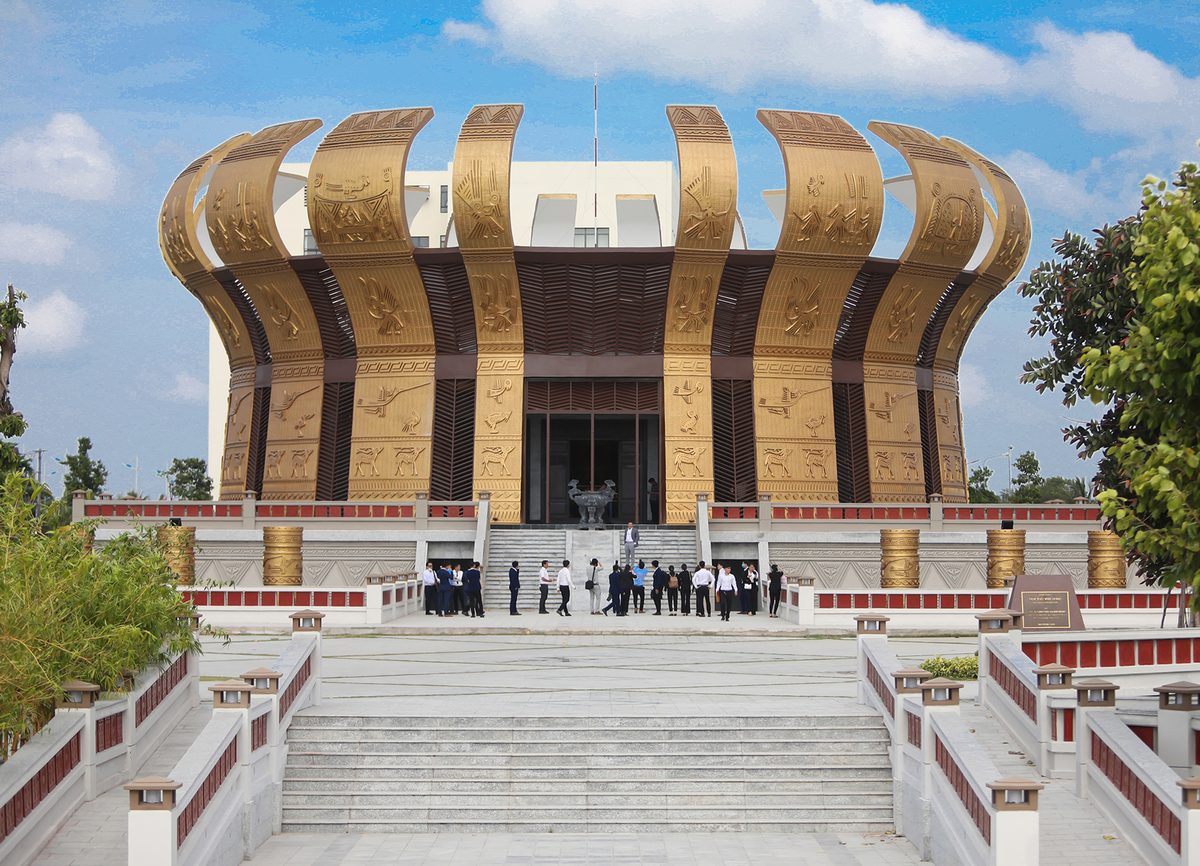
About Can Tho: Can Tho is the biggest city in the Mekong Delta, but the reason to stop here is the river. Life around the Hau River and Ninh Kieu Wharf feels very different from the cities earlier in the trip, especially first thing in the morning when boats are already moving while most of the streets are still quiet.
The main reason for staying overnight is Cai Rang floating market. It can technically be visited on a long day tour from Ho Chi Minh City, but sleeping in Can Tho makes the early start much easier and leaves time to see the riverfront without rushing straight back to the city.
Where to stay and how to get around
Ninh Kieu 2 Hotel on Hoa Binh Street is a convenient base, close enough to walk down toward Ninh Kieu Wharf. Standard rooms start at around $36 a night, while a Deluxe Double is around $65.
There isn't much need for transport around the central riverfront. Walking works for Ninh Kieu Wharf and the nearby streets, while Grab is useful for the bus station or anywhere farther out.
For Cai Rang, arrange the boat the evening before so there is nothing to organize at five in the morning.
Day 12: Arrival and the river
After the bus from Ho Chi Minh City, keep the rest of the afternoon easy. Check in, leave the bags, then head toward Ninh Kieu Wharf once the heat starts to ease.
The riverfront gets much livelier toward sunset. Walk along the promenade, cross the Ninh Kieu pedestrian bridge, and spend some time watching the boats moving along the Hau River. There is no need for another major attraction here.
For dinner, try the Can Tho cruise restaurant at Ninh Kieu Wharf. The evening cruise usually runs from around 7:30 pm to 9:00 pm, so dinner comes with a short trip along the river instead of another night inside a restaurant.
After that, head back early. Day 13 starts before sunrise.
Day 13: Cai Rang floating market
This is the earliest start of the itinerary. Be on the water by around 5:30 to 6:00 am so the boat reaches Cai Rang while the market is still active.

A private small boat from Ninh Kieu Wharf works well for two people. A current three-hour route covering Cai Rang, a small canal, and a local hủ tiếu workshop is around $23 per boat for two to three people. Current routes and rates are available from Sunday Go.
The ride from Ninh Kieu to the market takes roughly half an hour. Once there, boats pull alongside each other selling fruit, vegetables, drinks, and breakfast. Look for the long poles rising above the larger boats: sellers hang samples of what they're carrying from them so buyers can see what's for sale from a distance.

The market itself is the highlight, but the small canal and hủ tiếu stop make the three-hour trip feel more complete than simply turning around as soon as the main boats thin out.
Back at Ninh Kieu by mid-morning, there's enough time for breakfast, a shower, and a straightforward checkout before returning to Ho Chi Minh City.
Travel from Can Tho to Ho Chi Minh City by FUTA Bus
Can Tho → Ho Chi Minh City
Travel time: around 3 to 4 hours
The journey - 1 leg
Leg 1: FUTA Bus
Can Tho Central Bus Station → Mien Tay Bus Station
About $7 per person
For the return to Ho Chi Minh City, take the same FUTA Bus Lines route in reverse. Leaving Can Tho around lunchtime or early afternoon gets you back to Ho Chi Minh City with enough time to check in and have one last evening without rushing.
Day 14: Ho Chi Minh City
Day 14: Departure
Keep the last day intentionally light. After nearly two weeks of moving through the country, there is little benefit in squeezing in another museum or last-minute attraction before your flight.
If the flight is later in the day, have breakfast, get one last coffee, or walk around the neighborhood before heading to the airport.
A GrabCar from central Ho Chi Minh City to Tan Son Nhat Airport is usually around $5 to $8 for a 4-seat car, with the drive taking about 25 to 40 minutes, depending on traffic. Current airport transfer information is available on the Grab Tan Son Nhat Airport page.
Is this route worth following?
Yes, but not every quieter-looking day here is actually a rest day.
Ninh Binh is a full day out, Cu Chi takes most of a half day, while the Can Tho loop adds several hours on the road in each direction. What keeps the itinerary manageable is that the arrival afternoons in Hoi An, Hue, Ho Chi Minh City, and Can Tho are deliberately lighter.
What works best about this itinerary is the balance between the three regions. Hanoi feels nothing like Hoi An, Hue feels nothing like Saigon, and waking up on the river in Can Tho adds another side of Vietnam that a city-only route would miss.
If the trip needed to be slower, Can Tho would be the first stop to cut. Those two days could go to Hoi An instead, which would make the itinerary noticeably easier.
But for a first north-to-south trip where the goal is to see a lot without changing hotels every night, this route still feels like the right amount for two weeks.
FAQS
1. Is 14 days enough to travel from Hanoi to Ho Chi Minh City?
Yes, if you keep the route focused. Fourteen days is enough for Hanoi, Ninh Binh, Hoi An, Hue, Ho Chi Minh City, Cu Chi, and Can Tho without spending every day in transit. The trade-off is using two domestic flights and a few longer road transfers instead of trying to travel everywhere overland. Keeping Day 6 in Hoi An as a full rest day also makes the route much more manageable.
2. What is the best way to travel between destinations?
For this itinerary, fly the long legs and use road transport for the shorter ones. Fly from Hanoi to Da Nang and from Hue to Ho Chi Minh City, take a private car from Hoi An to Hue, and use FUTA Bus between Ho Chi Minh City and Can Tho. This keeps travel time reasonable without paying for private transport everywhere.
3. How much should I budget for this 14-day Vietnam itinerary?
Plan on around $900 to $1,200 per person, excluding international flights and assuming two people share hotel rooms. That is a realistic mid-range budget for the hotels, domestic transport, local food, entrance fees, Grab rides, and main activities included in this itinerary. Private tours, upgraded hotels, and more expensive restaurants will push the total higher.
4. What should I pack for a north-to-south Vietnam trip?
Bring light, breathable clothing, comfortable walking shoes, sunscreen, insect repellent, and a lightweight rain jacket. Weather can vary considerably between northern, central, and southern Vietnam, so a light extra layer is useful. Ninh Binh, Cu Chi, and the Mekong Delta can also have more mosquitoes than the city centers, so it is worth reading up on how to avoid mosquito bites in Vietnam before you go.
5. How can I avoid feeling rushed during the trip?
Do not add another major attraction just because there is an empty afternoon. This itinerary works because several arrival days are intentionally light and Day 6 in Hoi An is left almost completely open. If you need an even slower trip, Can Tho is the first stop to remove, giving those two days to Hoi An instead.
6. What should I book in advance?
Book domestic flights and hotels first, especially if you are traveling during a busy period. It is also worth arranging the Hoi An to Hue private car and the Cai Rang boat trip ahead of time if your dates are fixed. Grab rides, local taxis, most restaurants, and shorter city transfers generally do not need to be booked far in advance.
7. Is this itinerary suitable for first-time visitors to Vietnam?
Yes. The route covers Vietnam’s three main regions without requiring you to rent a motorbike or organize complicated local transport on your own. Hanoi, Hoi An, Hue, and Ho Chi Minh City all have strong tourism infrastructure, and Grab makes getting around the major cities fairly simple. First-time visitors should still be aware of common tourist issues, so it is worth checking this guide to safety and common scams in Vietnam before the trip.
8. Do I need to rent a motorbike for this itinerary?
No. You can complete the entire route without renting one. Walking, Grab, private transfers, buses, and domestic flights cover everything in this itinerary. Unless you are already comfortable riding in busy traffic, there is little reason to rent a motorbike just to make getting around easier. If you do plan to drive, check the rules around an international driving permit for Vietnam before renting a vehicle.