Table of Contents18 sections
- 1Where Is Cao Bang and How to Get There?
- 2Best Time to Visit Cao Bang
- 2.1September–October: The Best Time to Explore Cao Bang
- 2.2November: Tam Giac Mach Flower Season
- 2.3March–April: Spring in Cao Bang
- 2.4Summer: Best for Waterfalls and Lush Landscapes
- 3Best Places to Visit in Cao Bang
- 3.1Ban Gioc Waterfall
- 3.2Nguom Ngao Cave
- 3.3Mat Than Mountain
- 3.4Thang Hen Lake
- 3.5Pac Bo Historical Site
- 3.6Ma Phuc Pass
- 3.7Khuoi Ky Stone Village
- 4How Many Days Do You Need in Cao Bang?
- 5Suggested 3-Day-2-Night Cao Bang Itinerary
- 6Cao Bang Travel Tips
- 7FAQs About Traveling to Cao Bang
Located in northeastern Vietnam, Cao Bang is one of the country’s most spectacular destinations for nature and culture lovers. The province is known for its dramatic limestone mountains, emerald rivers, peaceful valleys and traditional ethnic villages.
Compared with more popular destinations in northern Vietnam, Cao Bang remains relatively peaceful and less crowded, making it an excellent choice for travelers looking for authentic experiences and beautiful landscapes away from the usual tourist routes.
So, where is Cao Bang, what is the best time to visit, and how many days do you need to explore the province? This guide covers everything you need to know before your trip.
Where Is Cao Bang and How to Get There?
Cao Bang is located in northeastern Vietnam, bordering China to the north and northeast. Cao Bang City is approximately 280–300 km from Hanoi, depending on the route.
As there is currently no railway or commercial airport serving Cao Bang City, traveling by road is the most common way to reach the province.
There are generally three common ways to travel from Hanoi to Cao Bang:
Transportation | Travel time | Price | Pros & Cons |
Sleep bus/ Limousine | 6-8 hours | 20$-30$/pax/way | - Save time & money |
Private car | 6-7 hours | From 150$/car/way | - Flexibility & convenient - Suitable for families, couples and small groups |
Motorbike | 8-9 hours | From 10$/pax/way | - Long journey, best suited to experienced riders |
For me, if you’re traveling solo or as a couple, a sleeper bus or limousine bus is definitely the most convenient option. Simply take an overnight bus, get some sleep along the way, and you’ll arrive in Cao Bang the next morning. Some of the bus companies I often use are Vinh Dung and Thanh Ly.
However, if you’re traveling with family or a group of 4 or more people, a private car would be a better choice. It gives you greater flexibility, comfort, and convenience throughout your journey.
Book this
paid link
Hanoi to Cao Bang by Bus
20-30 USDDaily • 5h 30m
Paid link — we earn a commission if you book, at no extra cost to you. It never changes what we recommend.
Best Time to Visit Cao Bang
Cao Bang can be visited throughout the year, but each season offers a different experience.
If you are wondering when is the best time to visit Cao Bang, September and October are generally among the most attractive months.
September–October: The Best Time to Explore Cao Bang
September and October are widely considered one of the best periods for a Cao Bang trip.
The weather is generally cooler and more comfortable, while the waterfalls and rivers are still impressive after the rainy season.
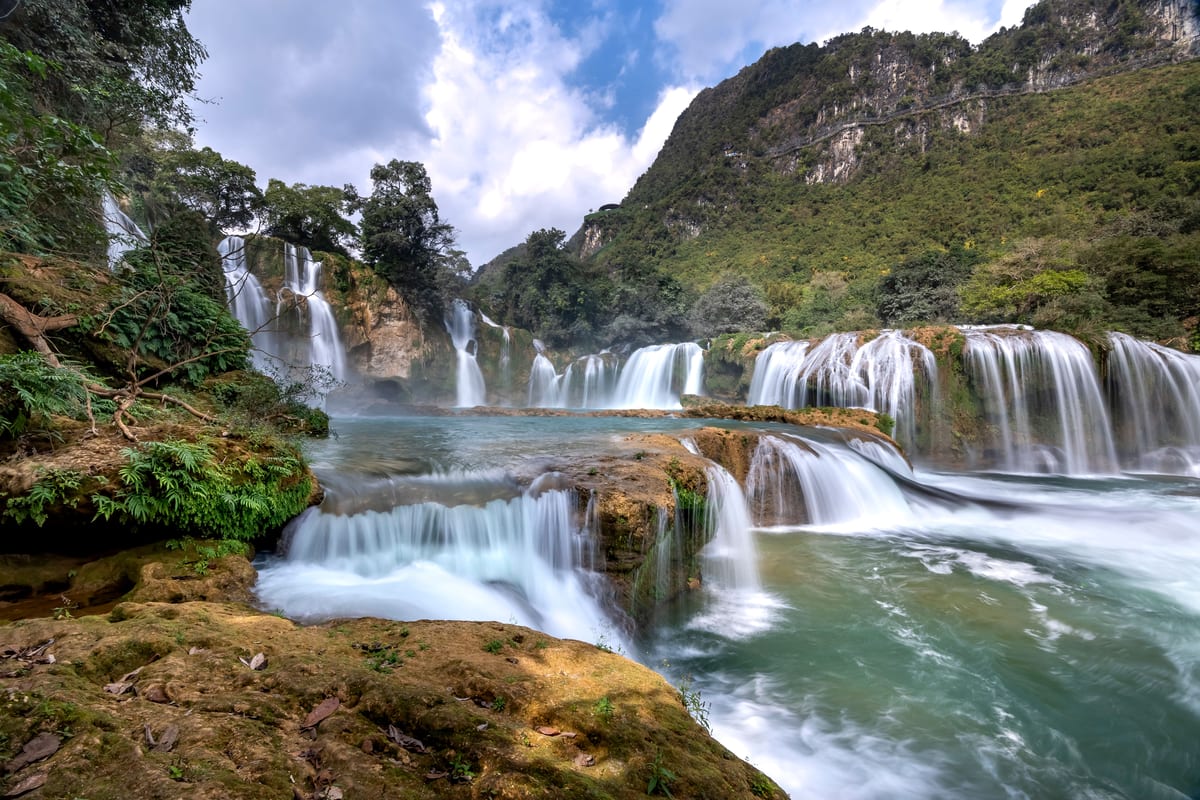
This is an excellent time to explore the popular Ban Gioc Waterfall – Nguom Ngao Cave – Trung Khanh – Mat Than Mountain route.
The pleasant temperatures also make sightseeing and outdoor activities more enjoyable.
November: Tam Giac Mach Flower Season
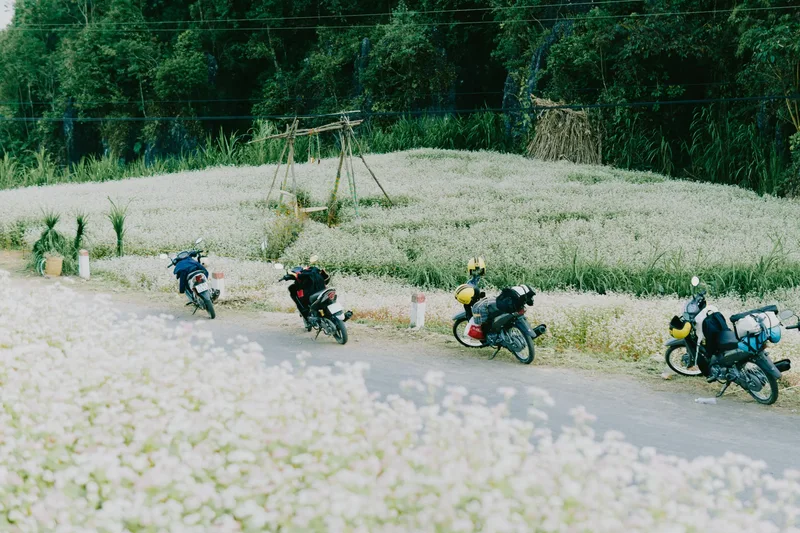
Travelers who love flowers and photography may want to visit Cao Bang in November.
During this period, buckwheat flowers, locally known as tam giac mach, can be seen in several mountainous areas.
The delicate flowers against the dramatic limestone mountains create a distinctive landscape of northern Vietnam.

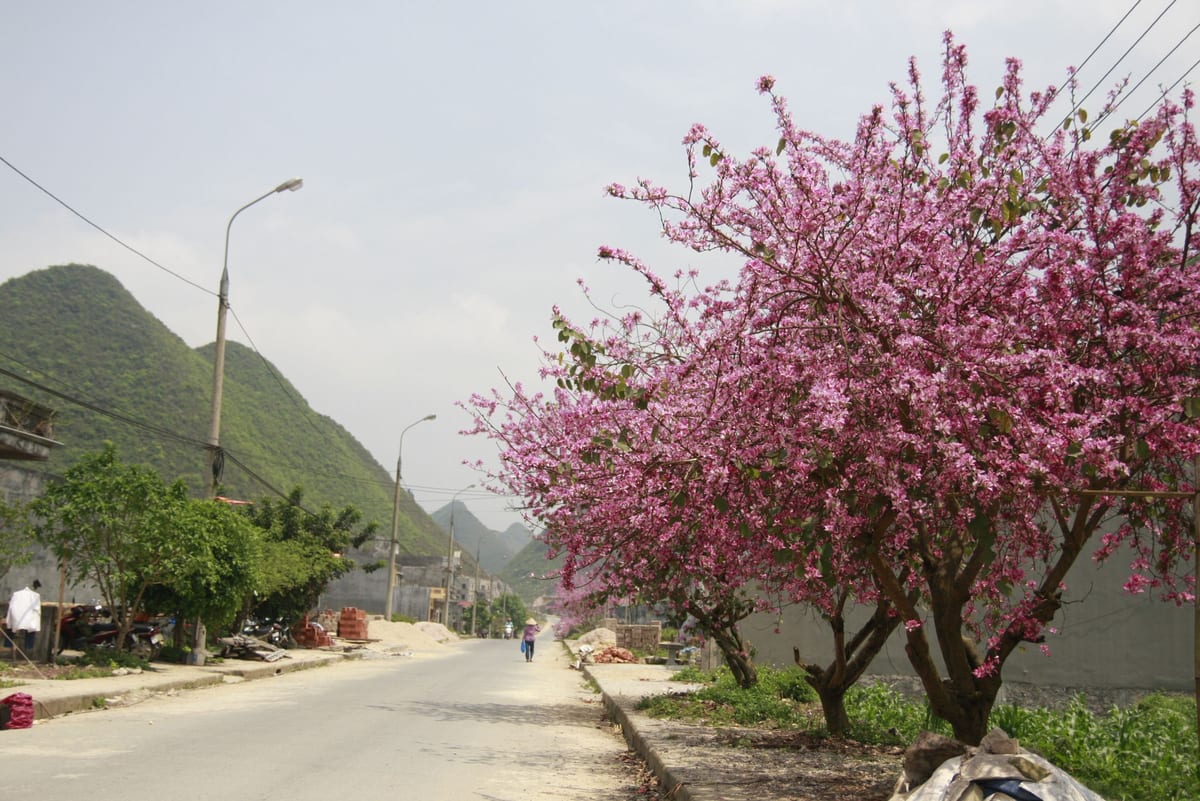
March–April: Spring in Cao Bang
Spring brings mild weather and fresh green landscapes to Cao Bang.
This is a good time to explore local villages, historical sites and natural attractions without the intense heat of summer.
For travelers interested in combining nature, culture and local life, spring can be a particularly pleasant time to visit.
Summer: Best for Waterfalls and Lush Landscapes
Summer can be warmer and wetter, but the surrounding forests become especially green and waterfalls may have abundant water.
If your main goal is to see Ban Gioc Waterfall at its most powerful, the summer and early autumn period can be worth considering.
For a balance of pleasant weather, beautiful scenery and comfortable sightseeing conditions, September and October are excellent choices.
Best Places to Visit in Cao Bang
Cao Bang offers a diverse range of attractions, from spectacular waterfalls and caves to peaceful lakes, mountain passes and historical sites.
Ban Gioc Waterfall
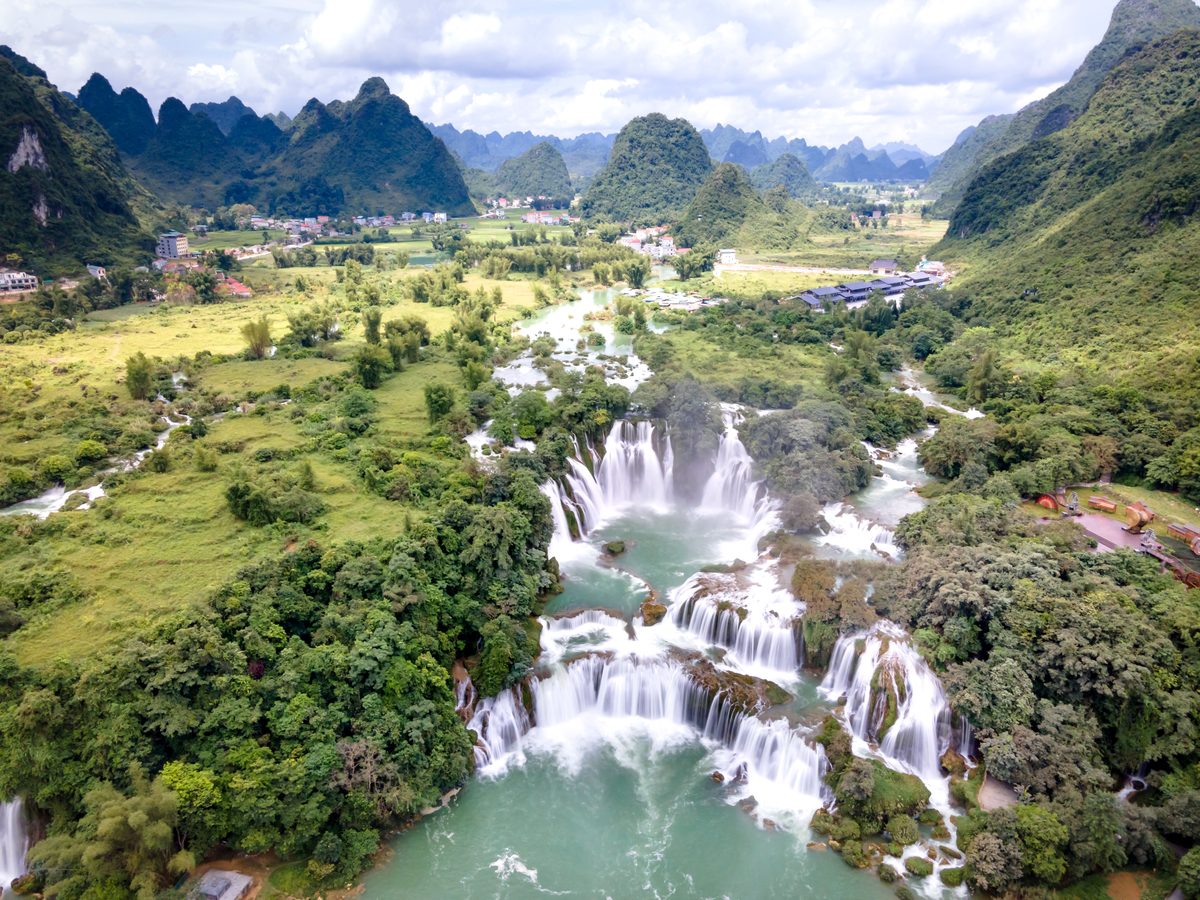
Ban Gioc Waterfall is the most iconic attraction in Cao Bang and a must-visit destination on almost every Cao Bang itinerary.
Located on the Quay Son River near the Vietnam–China border, the waterfall cascades over several limestone tiers surrounded by mountains and lush greenery.
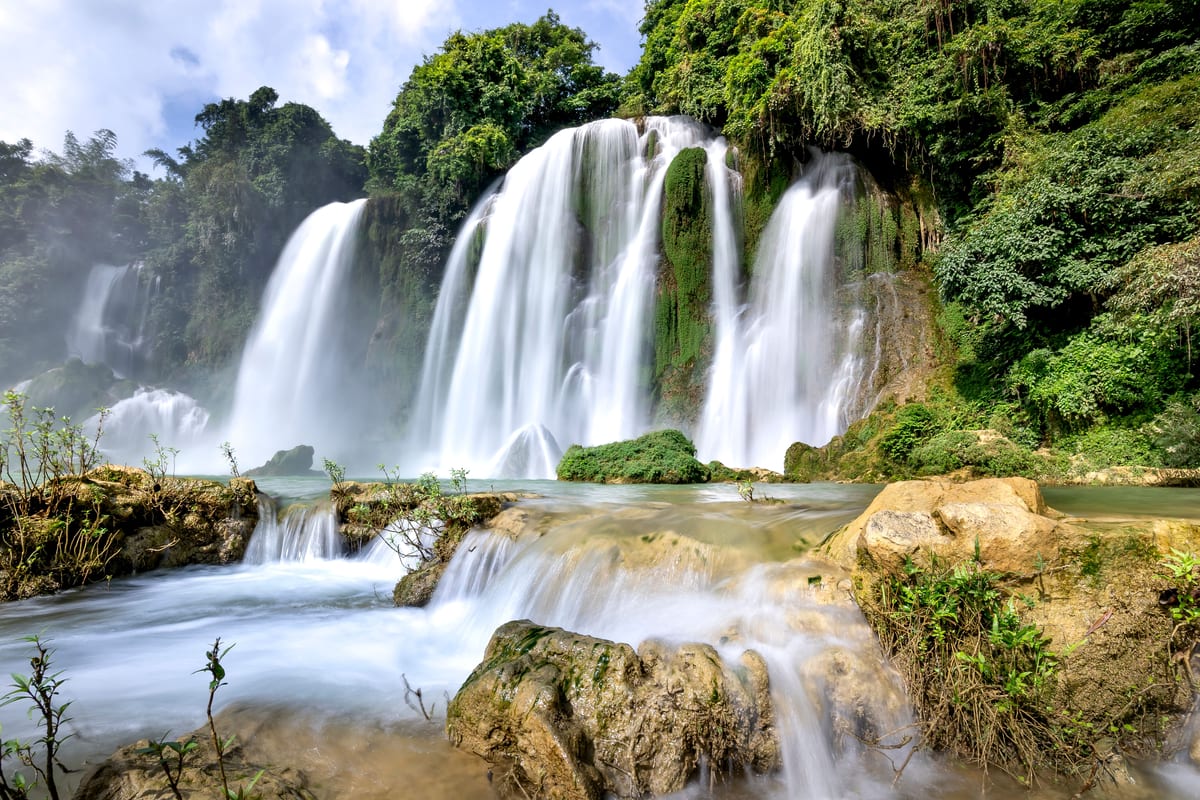
The combination of clear water, dramatic cliffs and peaceful countryside makes Ban Gioc one of the most photogenic natural attractions in northern Vietnam.
For the best experience, try to visit when the weather is clear and the waterfall has a good flow.
Nguom Ngao Cave
Located near Ban Gioc Waterfall, Nguom Ngao Cave is one of the most fascinating natural attractions in Cao Bang.
The cave features an extensive network of limestone formations, stalactites and stalagmites shaped naturally over thousands of years.
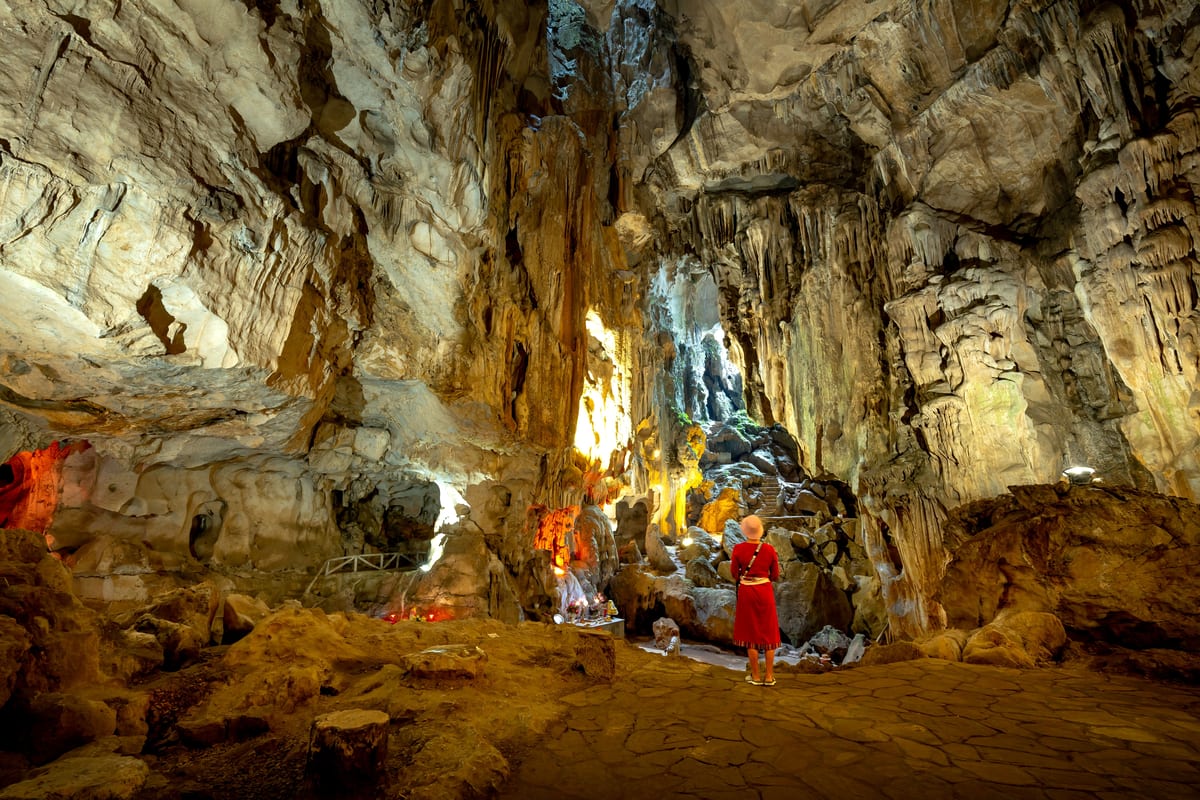
Because it is close to Ban Gioc Waterfall, Nguom Ngao Cave can easily be included in the same day of sightseeing.
Mat Than Mountain
Mat Than Mountain, also known as Nui Thung or “Eye Mountain,” is one of the most unique landscapes in Cao Bang.
The mountain has a large natural opening running through its limestone formation, creating the appearance of a giant eye.
The surrounding valley features green grasslands, mountains and open countryside, making it a popular spot for photography, picnics and relaxing in nature.

Thang Hen Lake
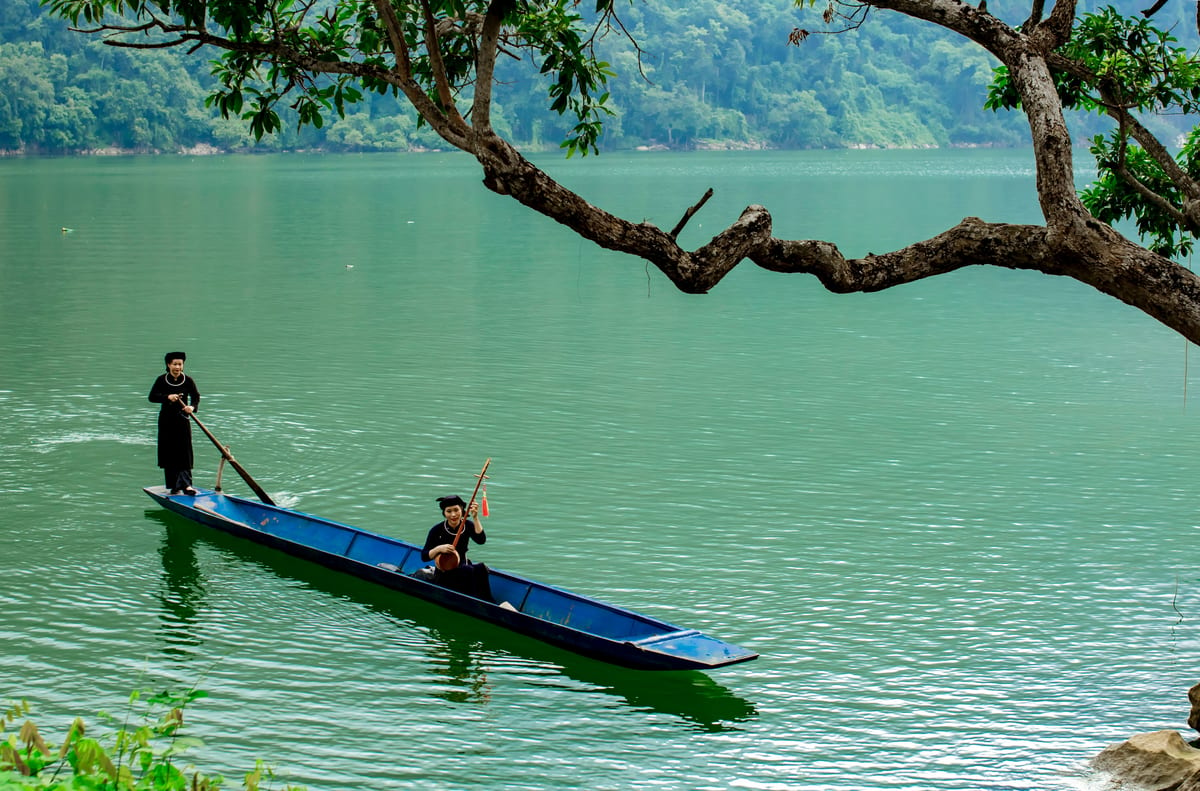
Thang Hen Lake is a beautiful natural lake surrounded by limestone mountains.
Its calm green waters and peaceful surroundings provide a relaxing contrast to the dramatic scenery of Ban Gioc Waterfall.
The lake is ideal for travelers who want to slow down, enjoy the scenery and experience the quieter side of Cao Bang.
Pac Bo Historical Site
Pac Bo is one of the most important historical sites in Cao Bang and is closely associated with President Ho Chi Minh's revolutionary activities.
Visitors can explore Lenin Stream, Karl Marx Mountain and Pac Bo Cave, while learning more about an important period in Vietnam's modern history.
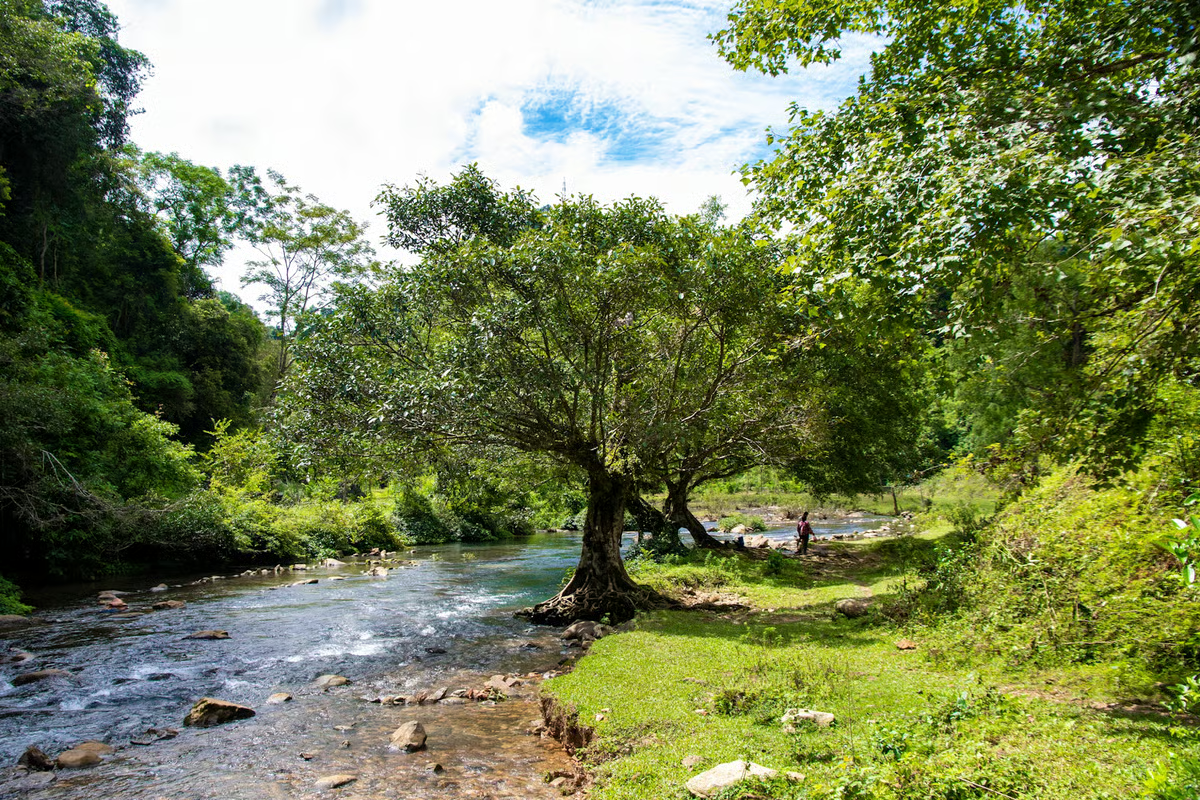
A visit to Pac Bo is especially worthwhile for travelers interested in combining natural landscapes with Vietnam's history and culture.
Ma Phuc Pass
Ma Phuc Pass is one of the most scenic mountain passes in Cao Bang.
Located along the route from Cao Bang City toward Trung Khanh, the pass features winding roads surrounded by dramatic limestone mountains.
If you are traveling by motorbike or private car, driving through Ma Phuc Pass is an enjoyable part of the Cao Bang experience.
Khuoi Ky Stone Village
Khuoi Ky Stone Village is famous for its traditional stone houses and distinctive architecture of the Tay ethnic community.
The village is surrounded by mountains and greenery, offering visitors an opportunity to experience a quieter side of rural Cao Bang.
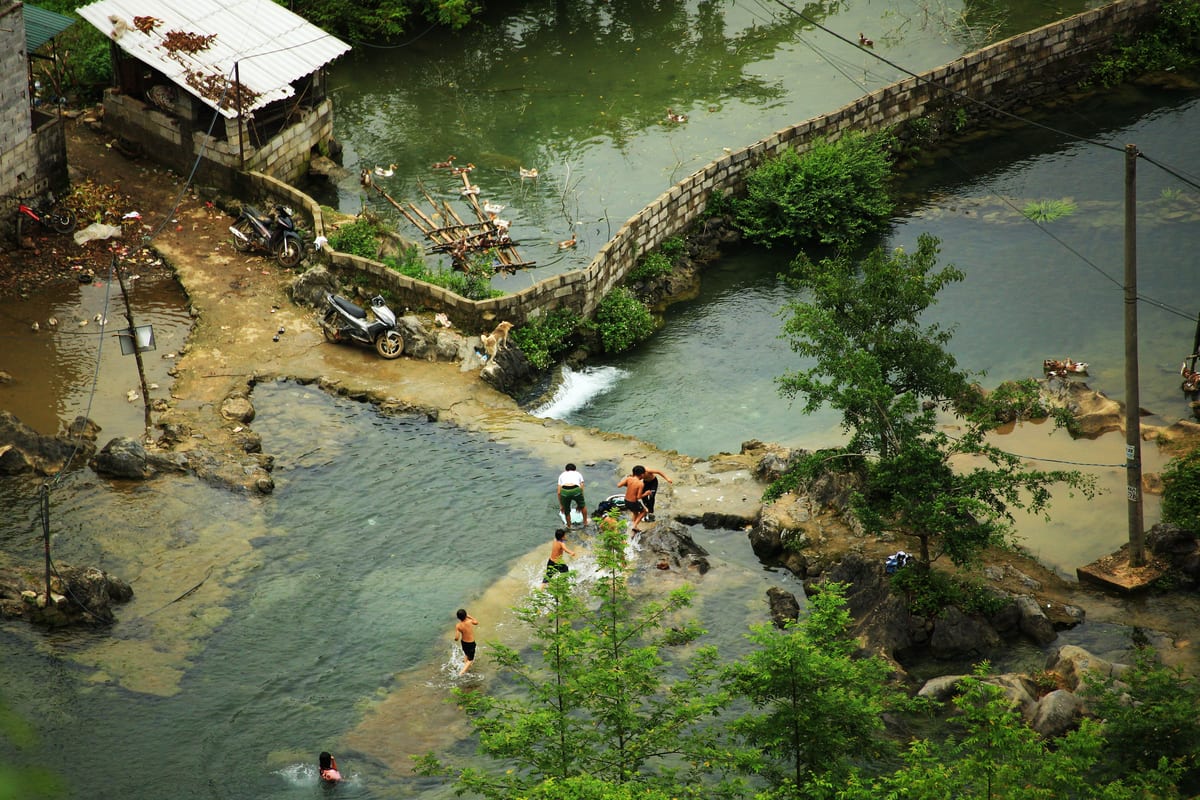
It is particularly interesting for travelers who want to discover local culture beyond the province's famous natural attractions.
How Many Days Do You Need in Cao Bang?
The ideal length of a Cao Bang itinerary depends on how many attractions you want to visit.
Cao Bang 2 Days 1 Night
A 2-day-1-night Cao Bang trip is possible if you have limited time, but the schedule will be relatively tight.
You can focus on the main attractions around Trung Khanh:
Cao Bang City → Trung Khanh → Nguom Ngao Cave → Ban Gioc Waterfall → Khuoi Ky Stone Village.
This option works best for travelers who want to see the highlights without spending too much time exploring remote areas.
Cao Bang 3 Days 2 Nights
For first-time visitors, 3 days 2 nights in Cao Bang is a more comfortable option.
A typical itinerary can include:
Pac Bo → Cao Bang City → Ma Phuc Pass → Mat Than Mountain → Thang Hen Lake → Trung Khanh → Nguom Ngao Cave → Ban Gioc Waterfall → Khuoi Ky Stone Village.
This gives you enough time to experience the main attractions without rushing from one place to another.

Cao Bang 4 Days 3 Nights
If you have more time, a 4-day-3-night Cao Bang itinerary allows for a slower and more immersive trip.
You can spend more time exploring local villages, trying regional food, taking short hikes and experiencing the culture of ethnic communities in the area.
You can also use the extra day to enjoy the scenery rather than spending most of your trip on the road.
Suggested 3-Day-2-Night Cao Bang Itinerary
Day 1: Hanoi – Cao Bang – Pac Bo
Depart from Hanoi and travel to Cao Bang.
After arriving, visit Pac Bo Historical Site, including Lenin Stream and Pac Bo Cave.
Continue to Cao Bang City, check into your hotel and spend the evening exploring the city or relaxing.
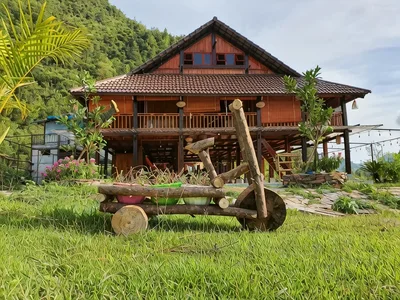
List beautiful homestay for your reference: Indigen Boutique Cao Bang, Nansa Homestay, Cao Bang Eco House. Besides, choose hotel/ homestay here:

Book this
paid link
Accommodation in Cao Bang
From 10 USDHostel • Homestay • Hotel
Paid link — we earn a commission if you book, at no extra cost to you. It never changes what we recommend.
Day 2: Cao Bang – Trung Khanh – Ban Gioc Waterfall
Start the day with a scenic drive toward Trung Khanh.
Depending on your route and available time, visit Ma Phuc Pass, Mat Than Mountain and Thang Hen Lake before continuing toward the waterfall area.
Explore Nguom Ngao Cave, then continue to Ban Gioc Waterfall.
You can also visit Khuoi Ky Stone Village before checking into your accommodation in the area.
Day 3: Cao Bang – Hanoi
Enjoy breakfast and some free time to explore the surrounding area.
You can buy local specialties and souvenirs before beginning your journey back to Hanoi.
If your schedule allows, extending the trip to 4 days 3 nights will make the experience more relaxed and give you more opportunities to explore the region.
Cao Bang Travel Tips
Choose the Right Transportation
Cao Bang's major attractions are spread across a relatively large area, so transportation planning is important.
If you are not comfortable driving on mountainous roads, consider hiring a private car with a driver or joining an organized tour.
Book Accommodation in Advance
September and October can be popular travel periods, particularly on weekends.
If you are traveling with a group, booking your hotel or homestay in advance is recommended.
Wear Comfortable Shoes
Some attractions involve walking, stairs or uneven terrain, particularly caves and mountain areas.
Comfortable walking shoes or lightweight hiking shoes are highly recommended.
Bring a Light Jacket
Mountain weather can change quickly. Mornings and evenings can be noticeably cooler than during the daytime, particularly outside the summer months.
A light jacket is useful even when daytime temperatures are warm.
Try Local Cao Bang Food
Food is another reason to include Cao Bang on your northern Vietnam itinerary.
Some local specialties worth trying include:
Cao Bang rice noodle rolls
Seven-flavor roasted duck
Smoked sausage
Ap Chao cake
Black glutinous rice with plums
Trung Khanh chestnuts
Cao Bang sour noodle soup
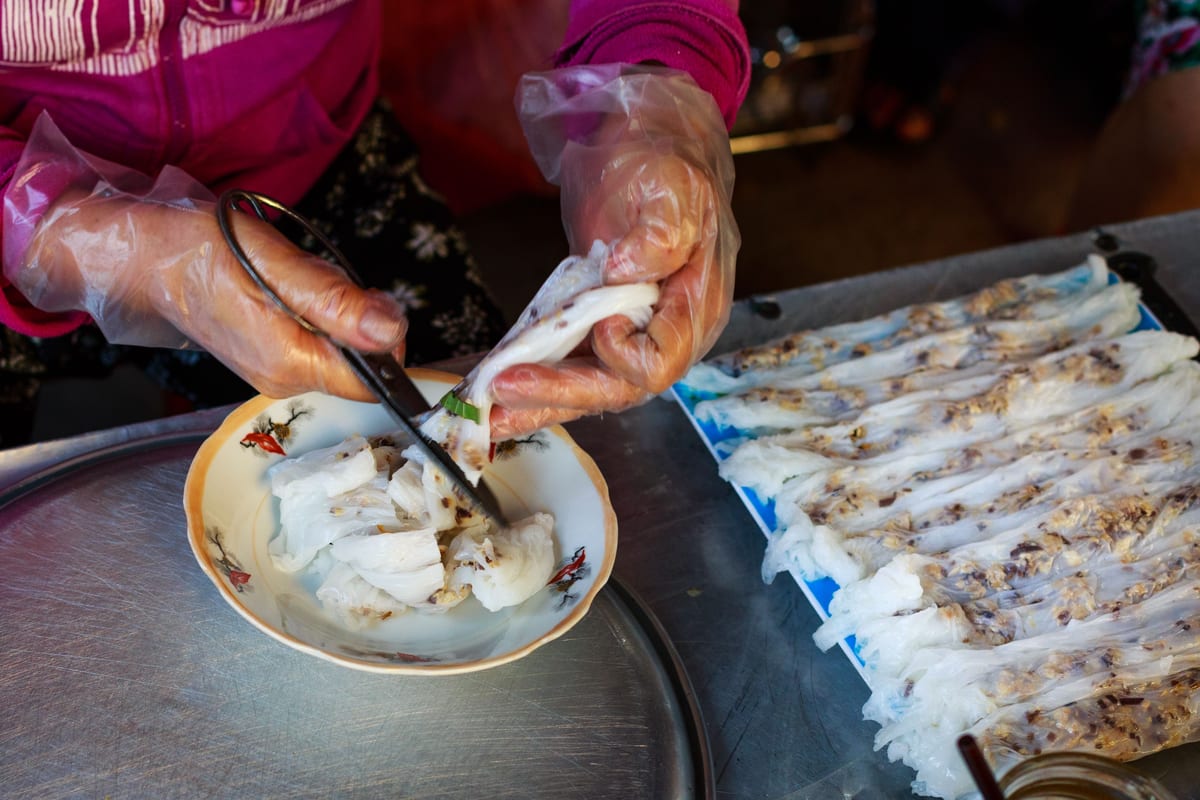
Trying local dishes is a great way to experience the region beyond its natural attractions.
Some delicious Cao Bang specialty restaurants you must try:
FAQs About Traveling to Cao Bang
1. How far is Cao Bang from Hanoi?
Cao Bang is approximately 280–300 km from Hanoi, depending on the route. Traveling by bus or private car generally takes around 6–8 hours.
2. What is Cao Bang famous for?
Cao Bang is best known for Ban Gioc Waterfall, Nguom Ngao Cave, Mat Than Mountain, Thang Hen Lake, Pac Bo Historical Site, Ma Phuc Pass and Khuoi Ky Stone Village.
3. What is the best month to visit Cao Bang?
September and October are generally considered among the best months to visit Cao Bang because of the pleasant weather and beautiful natural scenery.
If you want to see buckwheat flowers, November can also be a good choice.
4. Is 2 days enough for Cao Bang?
Yes, but a 2-day-1-night trip will be relatively fast-paced.
For a more comfortable experience, 3 days and 2 nights is recommended for first-time visitors.
5. Is Cao Bang worth visiting?
Absolutely. Cao Bang is an excellent destination for travelers who enjoy mountains, waterfalls, caves, local culture and less-touristy destinations.
It is particularly suitable for travelers looking to explore a more authentic side of northern Vietnam.
6. Is it safe to ride a motorbike to Cao Bang?
Motorbike travel can be enjoyable, but the route includes long distances and mountainous roads.
Only choose this option if you are confident riding on winding roads and have sufficient experience with long-distance motorbike travel.
Cao Bang is one of the best destinations in northern Vietnam for travelers seeking spectacular landscapes, local culture and authentic experiences. Whether you are planning a northern Vietnam adventure, a motorbike journey or a private trip with family and friends, Cao Bang deserves a place on your Vietnam travel itinerary.
Follow us on Facebook, Instagram, and TikTok for more useful information.
How we make money: some links in this article are affiliate links. If you book through one we earn a small commission, at no extra cost to you. It never changes what we recommend.