Table of Contents21 sections
- 1Mu Cang Chai Travel Guide 2026: Is It Worth Visiting?
- 1.1Is Mu Cang Chai Worth Visiting?
- 1.2Best Time to Visit Mu Cang Chai in 2026
- 1.2.1September to Early October: Golden Rice Season
- 1.2.2May to June: Water-Pouring Season
- 1.3How Many Days Do You Need in Mu Cang Chai?
- 1.3.12 Days 1 Night – A Quick & Packed Trip
- 1.3.24 Days 3 Nights – Slow Down & Explore
- 1.4Suggested Mu Cang Chai Itinerary
- 1.4.12 days 1 night Itinerary
- 1.4.24 days 3 nights Itinerary
- 1.5How Much Does a Mu Cang Chai Trip Cost?
- 1.5.1Accommodation in Mu Cang Chai
- 1.5.2Transportation from Hanoi to Mu Cang Chai
- 1.6Tips for Visiting Mu Cang Chai
- 1.7FAQs About Mu Cang Chai
- 1.7.11. How to Get to Mu Cang Chai from Hanoi
- 1.7.22. What is the best month to visit Mù Cang Chải?
- 1.7.33. Is two days enough for Mù Cang Chải?
- 1.7.44. Can I visit Mù Cang Chải without renting a motorbike?
- 1.7.55. Is Mù Cang Chải suitable for first-time visitors to Vietnam?
Mu Cang Chai Travel Guide 2026: Is It Worth Visiting?
If you have seen photos of Vietnam’s golden rice terraces, there is a good chance you have come across Mu Cang Chai. Hidden in the mountains of northern Vietnam, this remote destination is famous for its dramatic terraced rice fields, winding mountain roads, and traditional H’mong villages.
But is Mu Cang Chai worth the long journey from Hanoi? And how many days do you actually need?
For travelers who enjoy nature, photography, road trips, and places that still feel relatively untouched by mass tourism, my answer is simple: yes, Mu Cang Chai is absolutely worth visiting in 2026. Here is everything you need to know before planning your trip.
Is Mu Cang Chai Worth Visiting?
Absolutely — especially if you are looking for a quieter alternative to more popular destinations in northern Vietnam.
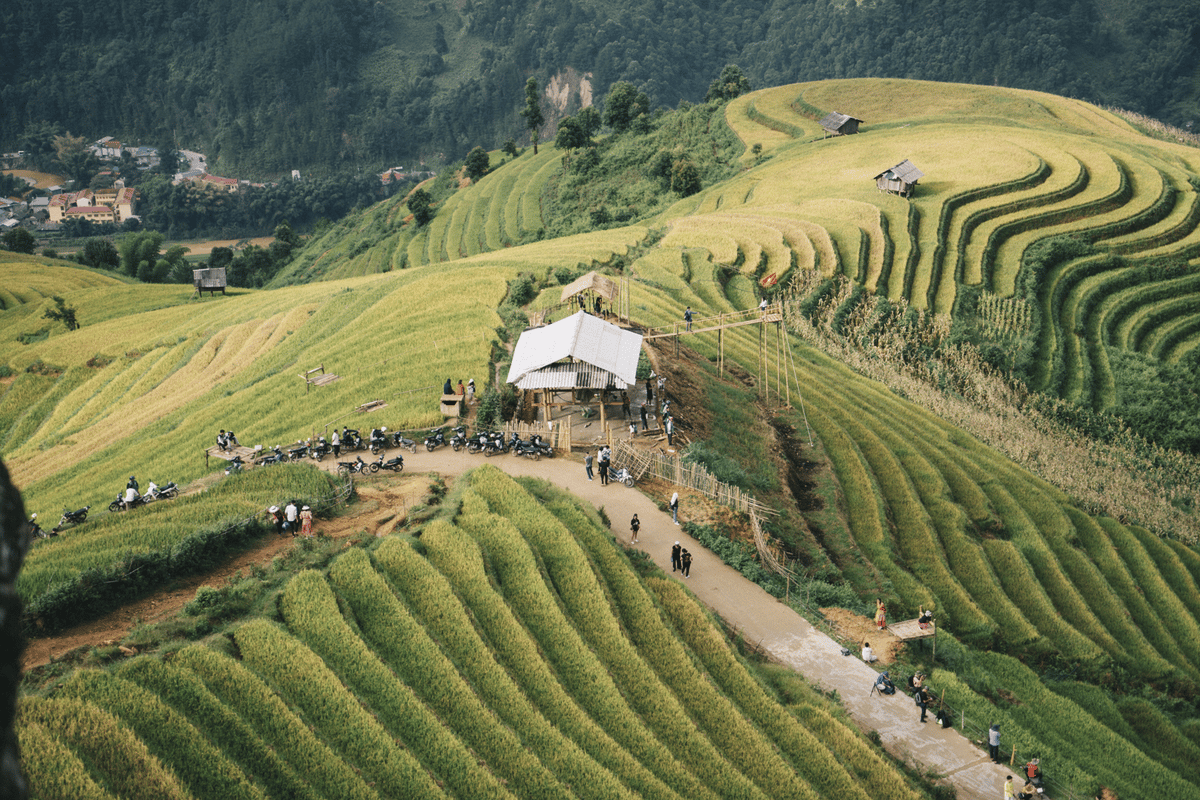
The biggest attraction is, of course, the rice terraces. Covering more than 2,000 hectares, the terraces were shaped by generations of H’mong farmers and stretch dramatically across the mountain slopes.
But the scenery is only part of the experience.
The journey itself is an adventure. From Hanoi, the road takes you through Nghia Lo, Tu Le, and the spectacular Khau Pha Pass before reaching Mu Cang Chai. The further you travel into the mountains, the more the landscape changes from busy cities to rice fields, forests, and small villages.
And unlike Sapa, Mu Cang Chai still feels much less developed and commercialized.
Best Time to Visit Mu Cang Chai in 2026
Mu Cang Chai is beautiful throughout the year, but there are two periods that stand out.
September to Early October: Golden Rice Season
If you can only visit Mu Cang Chai once, September to early October is my top recommendation.
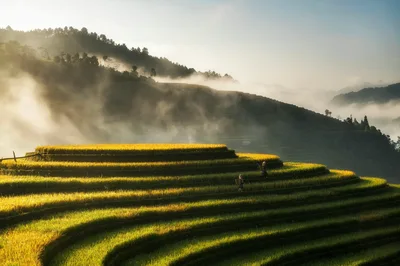
This is harvest season, when the rice terraces turn golden and cover the mountainsides like enormous staircases. Vietnam Tourism also highlights September and October as the best months to see the terraces at their golden peak.
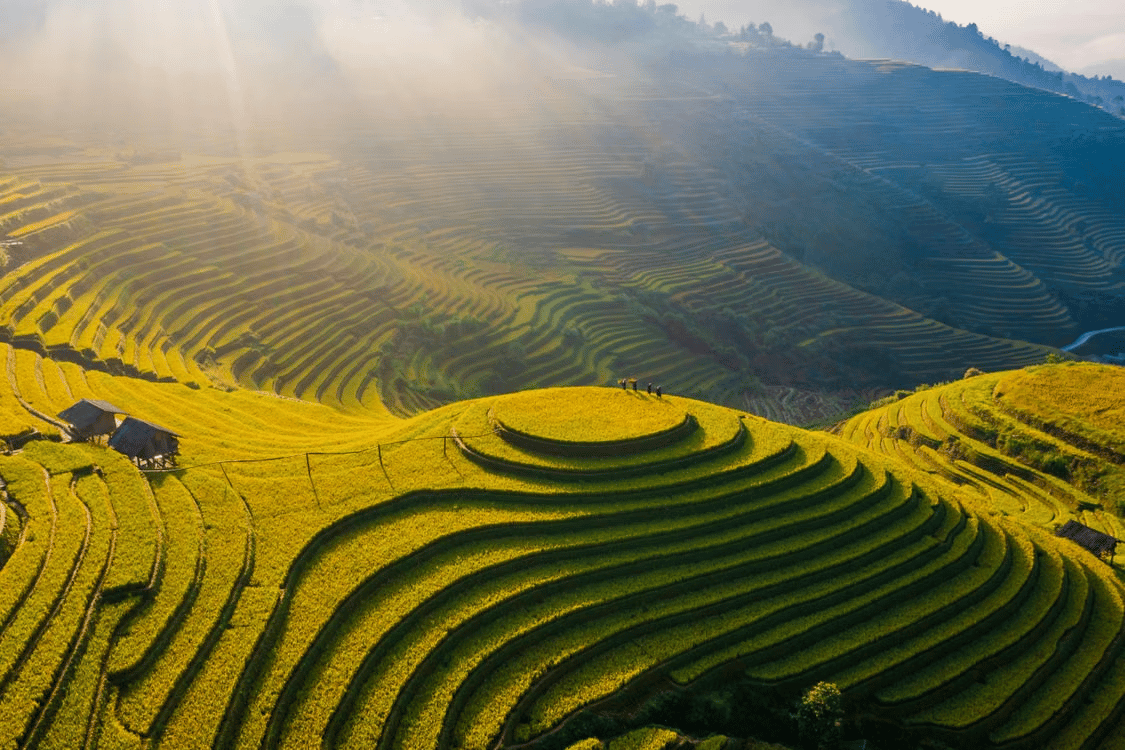
In 2026, the most promising period is around mid-September to early October, although the exact timing varies depending on altitude, weather, and individual rice fields. Recent 2026 travel information places roughly September 10–30 among the best periods for consistently golden terraces.
If photography is your priority, book your accommodation early. The best weekends can get surprisingly busy.
May to June: Water-Pouring Season
Prefer reflections to golden fields?
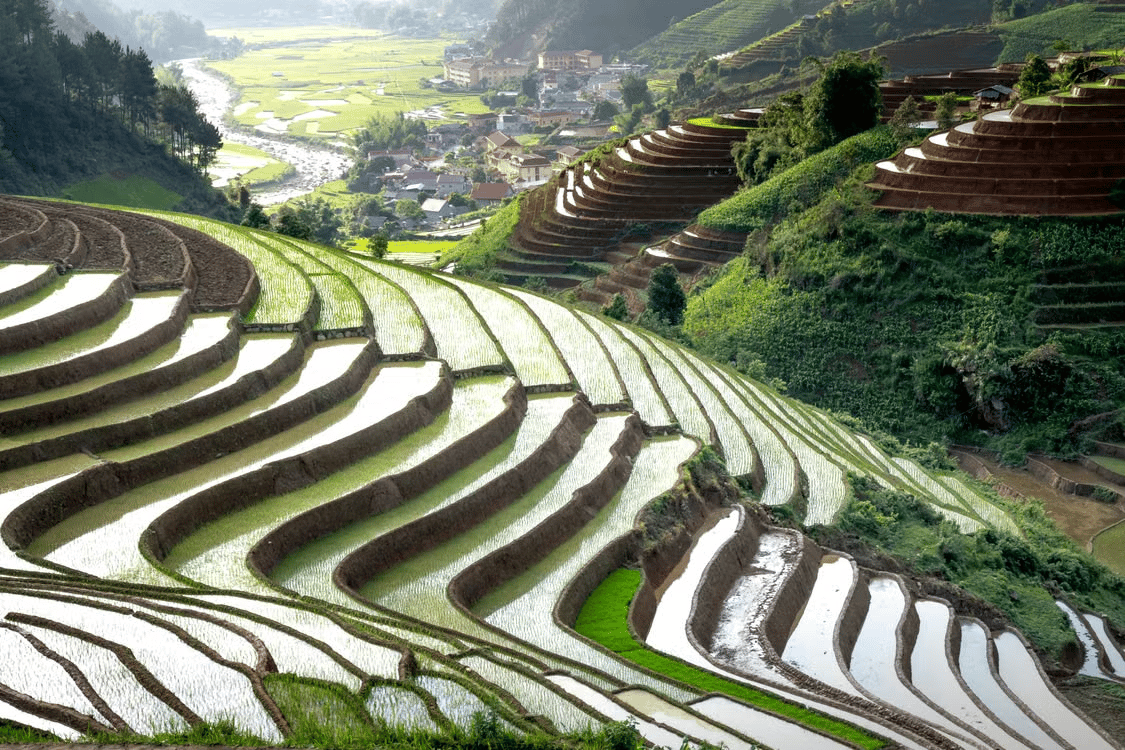
Visit around May and June, when farmers flood the terraces before planting. The water-covered fields reflect the sky and surrounding mountains, creating a completely different landscape.
It is less famous than harvest season but equally photogenic — and often a better choice if you want to avoid peak-season crowds.
How Many Days Do You Need in Mu Cang Chai?
The ideal length of your Mu Cang Chai trip depends on how much time you have and how you want to experience the region.
If you are short on time, 2 days and 1 night is enough to explore the highlights. However, if you prefer a more relaxed journey and want to experience the landscapes, local villages, and mountain roads without rushing, I highly recommend 4 days and 3 nights.
2 Days 1 Night – A Quick & Packed Trip
This is the best option for travelers who have limited time but still want to experience Mu Cang Chai.
The itinerary focuses on the region’s highlights, such as the famous rice terraces, viewpoints, and key stops along the way. As the journey from Hanoi takes around 7–9 hours, the schedule will be relatively packed.
Best for:
Travelers with limited time
First-time visitors
Those who want to see the main highlights
Travelers visiting during the golden rice season
4 Days 3 Nights – Slow Down & Explore
If you have more time, 4 days and 3 nights is the much better choice.
Instead of rushing from one attraction to another, you can take your time to enjoy the winding mountain roads, explore local villages, discover different viewpoints, and experience the local culture. You can also combine Mu Cang Chai with Tu Le and Nghia Lo, making the journey from Hanoi an enjoyable part of the trip rather than simply a transfer.
Best for:
Photographers
Nature and culture lovers
Slow travelers
Travelers who enjoy road trips
Anyone who wants a deeper and more authentic experience of Northern Vietnam
In short: Choose 2D1N if time is limited; choose 4D3N if you want to truly slow down and experience Mu Cang Chai.

Suggested Mu Cang Chai Itinerary
The journey from Hanoi to Mu Cang Chai takes around 7–9 hours. To save time, you can choose to travel by overnight bus, with departures usually around 10:00–11:00 PM. Alternatively, you can leave Hanoi early in the morning, around 5:00–6:00 AM.
2 days 1 night Itinerary
Below is a 2-day, 1-night itinerary you can consider.
DAY 1: HANOI - MU CANG CHAI
05h00: Car will pick you up at Hanoi Opera House to start the journey to find beautiful pictures of Mu Cang Chai terraced fields.
07h00: The car stops for you to rest and have breakfast on your own (if needed).
11h00: Arrive at Nghia Lo town for lunch. After lunch, continuing to Tu Le by car. On the way, you will sit in the car and admire the Muong Lo fields stretching along both sides of the road. Take souvenir photos with the district symbol of Mu Cang Chai right at the foot of Khau Pha pass.
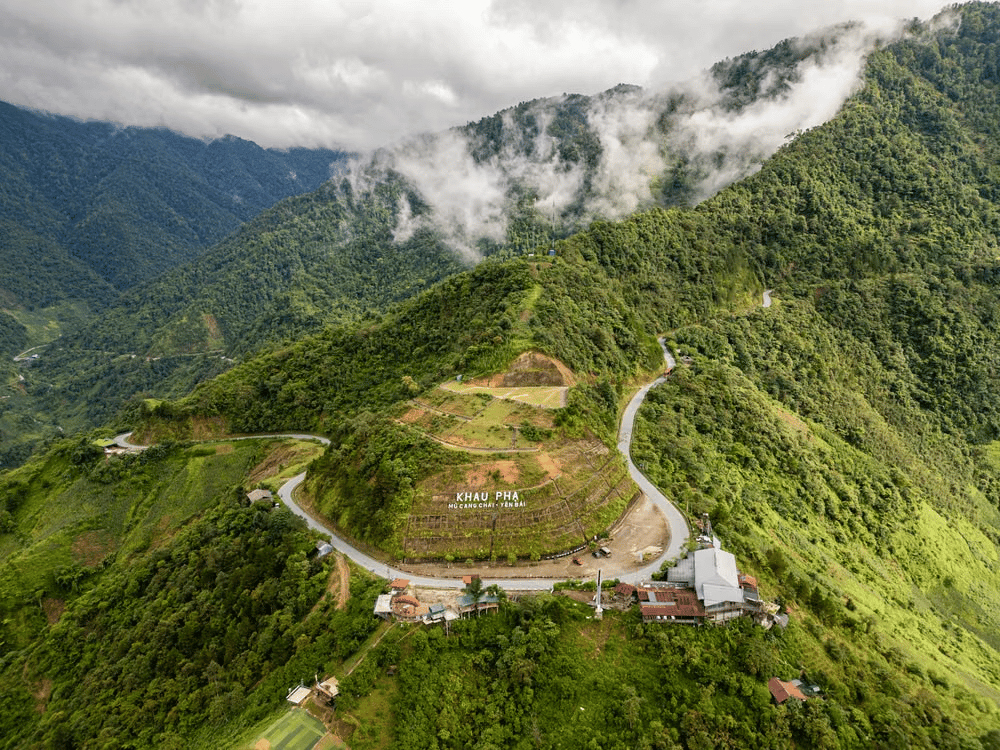
14h00: Continue conquering Khau Pha pass - one of the four great passes of Northern Vietnam
15h00: Stop at Khau Pha peak with an altitude of 2100m. Khau Pha Pass in the local language means the Horn of Heaven, where heaven and earth meet. Standing on the top, you can see the entire Khau Pha valley, in the distance are Lim Thai and Lim Mong villages. Here, you still have the opportunity to observe professional parachuting athletes called "Flying over the golden season" every September.
16h30: Arrive at La Pan Tan, you are free to rent a motorbike and buy tickets to visit Mam Xoi terraced fields.
18h00: You will arrive at Mu Cang Chai town to check in to the hotel (or homestay depending on your initial service registration) and rest.
19h00: Dinner. Free evening. Overnight in Mu Cang Chai.
DAY 2: MU CANG CHAI - TU LE - HANOI
Suggested locations:
Mu Cang Chai Market, a place to trade daily necessities and local products.
Visit the Thai village and take pictures at the waterwheel system to bring water from the stream for irrigation and daily life of the people.
Visit the bamboo forest with a poetic setting like in swordplay movies
Horseshoe shaped terraced fields...
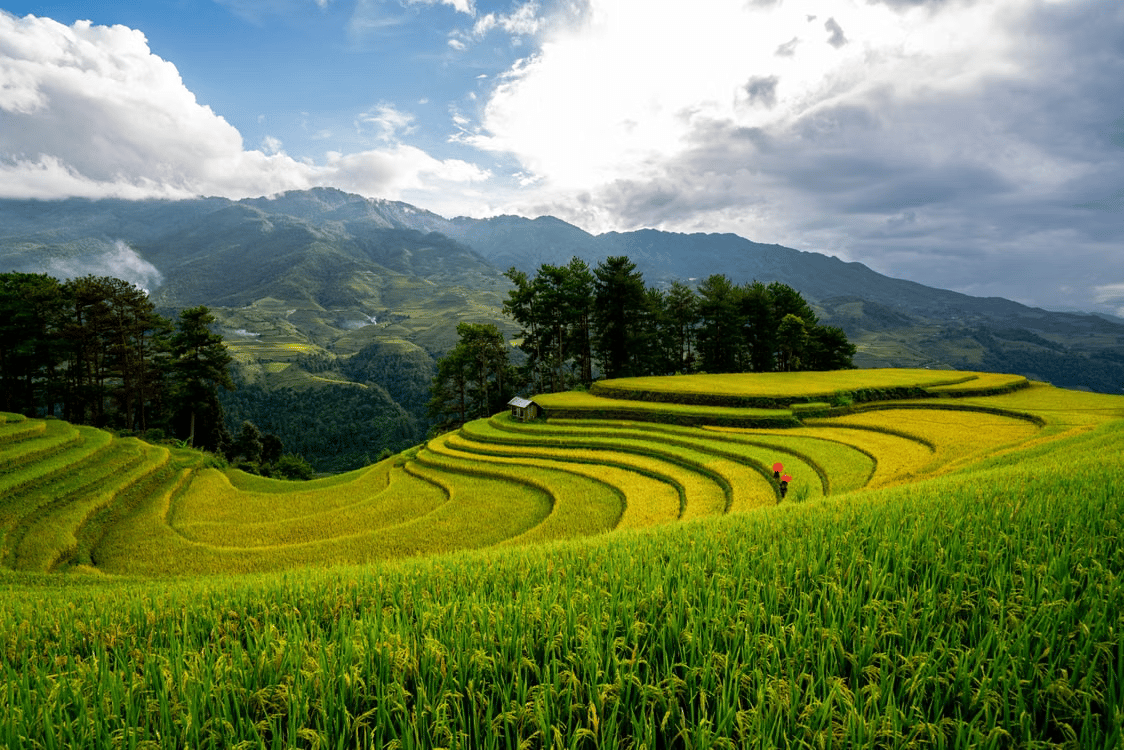
09h00: Saying goodbye to Mu Cang Chai town, the car continues to take you to Cau Ba Nha area, take free photos with the Horseshoe-Shaped terraced fields.
11h00: Stop at Tu Le - a land famous for its soft, fragrant sticky rice and the charming Thai girls who have captured the hearts of countless men. Then go to visit and buy things, especially the soft, fragrant green rice of Tu Le at the Tu Le market area.
12h00: Lunch at Nghia Lo. After lunch, you will continue to take the car back to Hanoi.
18h00: Arrive at Hanoi.
If you have an extra day, I strongly recommend slowing down rather than trying to add more attractions.
4 days 3 nights Itinerary
For the 4-day, 3-night itinerary, you can take things at a much more relaxed pace and spend more time at each destination instead of rushing from one attraction to another.
In addition to the places and activities included in the 2-day, 1-night itinerary, you can also enjoy a variety of unique experiences:
Explore Kim Noi Rice Field – A beautiful hidden gem that is still relatively unknown to most travelers. Surrounded by mountains and rice terraces, it is a peaceful spot that you definitely shouldn’t miss.
Paragliding at Khau Pha Pass – Take in breathtaking views of the rice terraces and surrounding mountains from above. This is one of the most exciting ways to experience Mu Cang Chai.
Forest Zipline at Le Champ Tú Lệ – Soar through the forest and immerse yourself in the stunning natural surroundings for an unforgettable adventure.
Relax & enjoy the resort – With an extra day, you can simply slow down and enjoy your accommodation. Take a dip in a mineral bath, relax at the resort, and soak up the fresh mountain air and peaceful atmosphere.
The 4D3N itinerary is perfect for travelers who want to experience Mu Cang Chai at a slower pace, combining adventure, nature, local culture, and relaxation in one trip.
How Much Does a Mu Cang Chai Trip Cost?
Mu Cang Chai can be surprisingly affordable, especially for backpackers.
A budget for a 2-day, 1-night trip would be:
Expense | Estimated Cost (VND) | Estimated Cost (USD) |
Hanoi <–> Mu Cang Chai round trip bus | VND 600,000–1,100,000 | $23–42 |
Homestay/Hotel/ Resort | VND 500,000–3,000,000/night | $19–115/night |
Motorbike rental | Around VND 150,000–250,000/day | $6–10/day |
Meals | VND 150,000–300,000/day | $6–12/day |
Drinks & snacks | VND 50,000–100,000/day | $2–4/day |
Estimated total | VND 1,800,000–5,000,000/person | 70$ - 190$ |
Prices can increase during the September–October peak season, so treat these as planning estimates rather than fixed prices.
Accommodation in Mu Cang Chai
If you’re looking for a luxury getaway, Le Champ Tu Le and Garrya Mu Cang Chai are two options you definitely shouldn’t miss.
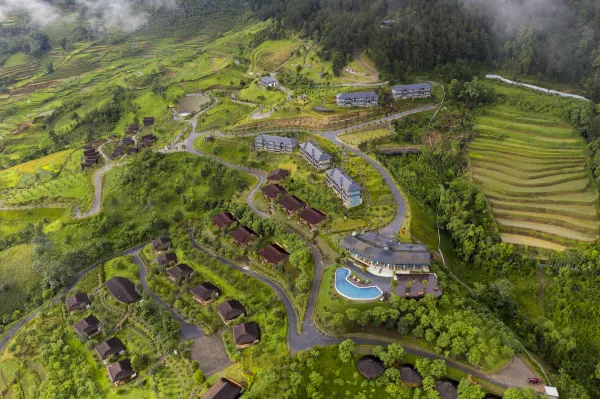
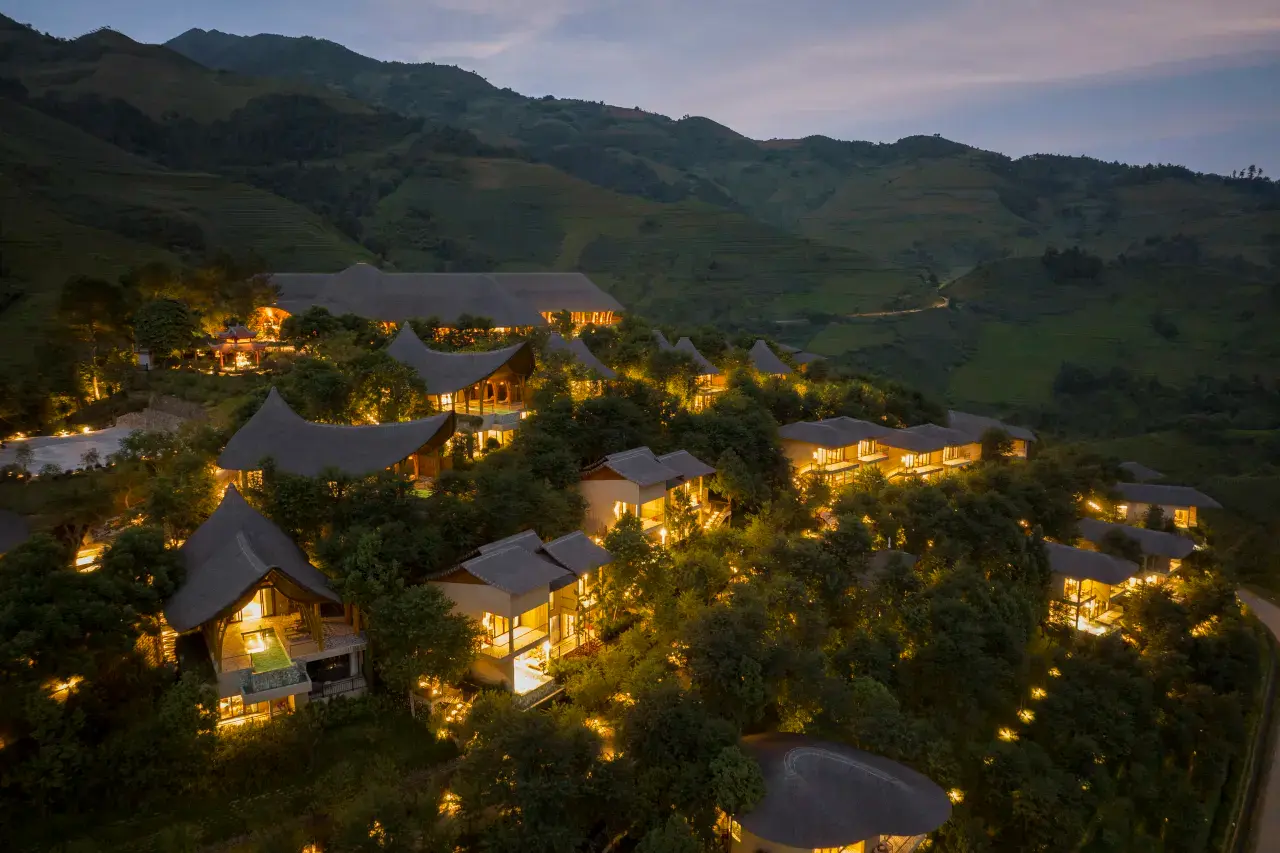
Besides, a wide range of homestays, hotels, and resorts to choose from, with options to suit different budgets:
Book this
paid link
Accommodation in Mu Cang Chai
From 10 USDHomestay • Hotel
Paid link — we earn a commission if you book, at no extra cost to you. It never changes what we recommend.
Transportation from Hanoi to Mu Cang Chai
Taking an overnight bus is always a great option, as it helps you save both time and money. Cuong Lan and The Anh are two highly rated bus companies.
Alternatively, if you’re traveling in a group of 4 or more, renting a private 5–7-seat car is a convenient and comfortable choice.
Thousands of transportation options through:
Book this
paid link
Travel from Hanoi to Mu Cang Chai
20 - 30 USDDaily • 5h 30m
Paid link — we earn a commission if you book, at no extra cost to you. It never changes what we recommend.
Tips for Visiting Mu Cang Chai
Here are some essential tips you shouldn’t miss when visiting Mu Cang Chai.
Book early during rice harvest season: September and early October are the most popular months, and accommodation in smaller villages is limited.
Start your day early: Sunrise gives you beautiful light and fewer people at popular viewpoints.
Bring cash: Don't expect ATMs or card payments to be available everywhere in the mountains.
Pack layers: Temperatures can change quickly, particularly early in the morning and at higher elevations.
Wear proper shoes: You may find yourself walking on muddy paths or uneven terrain to reach viewpoints.
Don't rush the trip: The best part of Mu Cang Chai isn't necessarily a famous attraction. Sometimes it's a random turn in the road that opens up to an incredible valley.
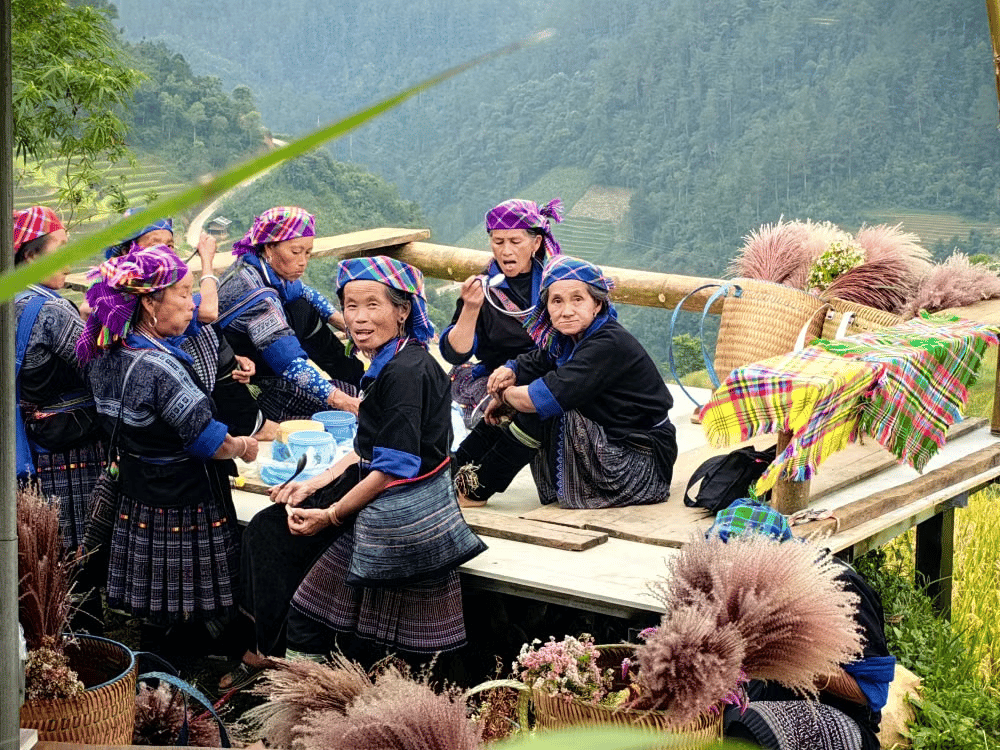
Respect local communities: Mu Cang Chai is home to H’mong communities with their own traditions and way of life. Ask before taking close-up photographs of people and avoid entering private homes or farmland without permission.
FAQs About Mu Cang Chai
1. How to Get to Mu Cang Chai from Hanoi
The distance from Hanoi is roughly 280–300 km, depending on the route. You can travel from Hanoi to Mu Cang Chai by the following popular transportation options:
Sleeper Bus: For most travelers, this is the easiest option. The journey generally takes around 7–9 hours, and several services operate between Hanoi and Mù Cang Chải. Current 2026 listings show fares starting from roughly VND 500,000 all round, with higher prices for premium services.
Private Car: A private car is a much better choice if you are traveling as a small group. You can choose your departure time, stop at Tú Lệ or Khau Phạ Pass, and avoid the hassle of navigating mountain roads yourself.
Motorbike: For experienced riders, this is arguably the most rewarding way to explore the region. However, the mountain roads are steep and winding, so I would not recommend self-riding if you have little experience on mountain roads.
2. What is the best month to visit Mù Cang Chải?
September is the best month for most travelers, particularly from mid-September to early October, when the rice terraces turn golden. May and June are also excellent for seeing the water-filled terraces.
3. Is two days enough for Mù Cang Chải?
Yes. 2 days and 1 night is enough to see the main rice terraces and viewpoints. However, 4 days and 3 nights will give you a much more relaxed experience.
4. Can I visit Mù Cang Chải without renting a motorbike?
Yes. You can travel by sleeper bus and arrange a local taxi, motorbike taxi, or private driver for sightseeing. However, having your own transport makes exploring the scattered viewpoints much easier.
5. Is Mù Cang Chải suitable for first-time visitors to Vietnam?
Yes, but it is better suited to travelers who enjoy rural areas and are comfortable with longer journeys. If this is your first trip to Vietnam and you only have a few days, Hanoi, Ninh Binh, and Ha Long Bay may be easier destinations to combine.
If you are planning a trip to northern Vietnam in 2026, put this one on your list — especially if you want to see a side of Vietnam that feels a little quieter, wilder, and much closer to the mountains.
How we make money: some links in this article are affiliate links. If you book through one we earn a small commission, at no extra cost to you. It never changes what we recommend.