Table of Contents23 sections
- 1Is Pu Luong Worth Visiting?
- 2When Is the Best Time to Visit Pu Luong?
- 2.1March–May: Green Season
- 2.2June–August: Summer
- 2.3September–October: Rice Harvest Season
- 2.4November–February
- 3How Many Days Do You Need in Pu Luong?
- 3.12 Days 1 Night – Quick Escape
- 3.23 Days 2 Nights – Recommended
- 4How to Get to Pu Luong from Hanoi?
- 5Best Things to Do & Places to Visit in Pu Luong
- 5.1Explore the Rice Terraces
- 5.2Trek Through Local Villages
- 5.3Visit Ban Don
- 5.4Explore Kho Muong Valley
- 5.5Visit Hieu Waterfall
- 5.6See the Traditional Water Wheels
- 5.7Cycle Through the Valley
- 5.8Experience Local Thai Culture & Cuisine
- 6Pu Luong Travel Tips, Costs & FAQ
- 6.1How Much Does a Pu Luong Trip Cost?
- 6.2Essential Tips for Visiting Pu Luong
- 6.3Pu Luong Travel FAQs
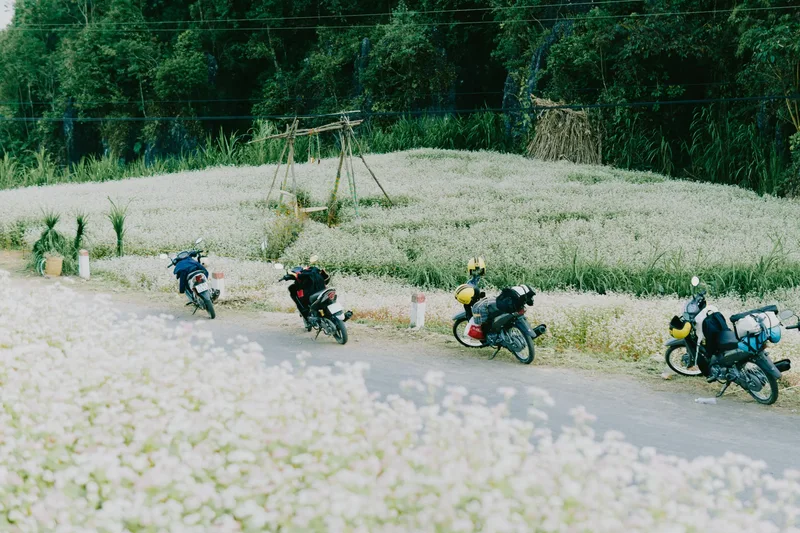
Looking for a quieter and more authentic side of Northern Vietnam? Pu Luong is the perfect escape, known for its stunning rice terraces, lush valleys, traditional villages and peaceful atmosphere.
Whether you love trekking, local culture, photography or slow travel, Pu Luong offers a refreshing experience away from the crowds.
In this guide, discover the best time to visit, how many days you need, things to do, transportation, costs and essential travel tips for your Pu Luong trip in 2026..
Is Pu Luong Worth Visiting?
Absolutely.
Pu Luong is particularly appealing if you want to experience Vietnam beyond the usual tourist trail. Instead of busy streets and crowded attractions, you will find winding mountain roads, rice terraces, wooden houses, waterfalls and small villages surrounded by lush green landscapes.
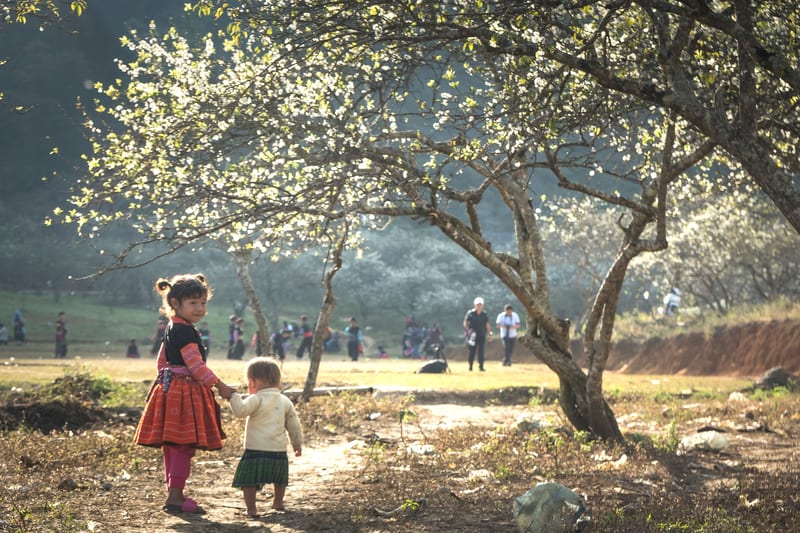
One of the biggest highlights is the opportunity to experience the daily life and culture of the Thai ethnic communities who have lived in the valleys for generations.
Below is a comparison table of Pu Luong, Sa Pa, and Mu Cang Chai:
Destination | Best for | Landscape | Crowds | Travel style |
Pù Luông | Nature + culture + relaxation | Rice terraces & valleys | ⭐⭐ | Slow travel |
Sapa | Trekking + infrastructure | Mountains | ⭐⭐⭐⭐ | More developed |
Mù Cang Chải | Rice terraces + photography | Dramatic terraces | ⭐⭐⭐ | Road trip |
If you want more trekking options, a livelier tourist atmosphere and easier access to major attractions such as Fansipan, Sapa may be the better choice.
If your priority is dramatic rice terraces, photography and an authentic mountain road trip, Mu Cang Chai is another fantastic option.
If you prefer peace, nature, local culture and a slower travel experience, Pu Luong is an excellent alternative.
When Is the Best Time to Visit Pu Luong?
Pu Luong can be visited throughout the year, but the landscape changes significantly from season to season.
If your main goal is to see the rice terraces at their most beautiful, May–June and September–October are the periods to consider.
March–May: Green Season
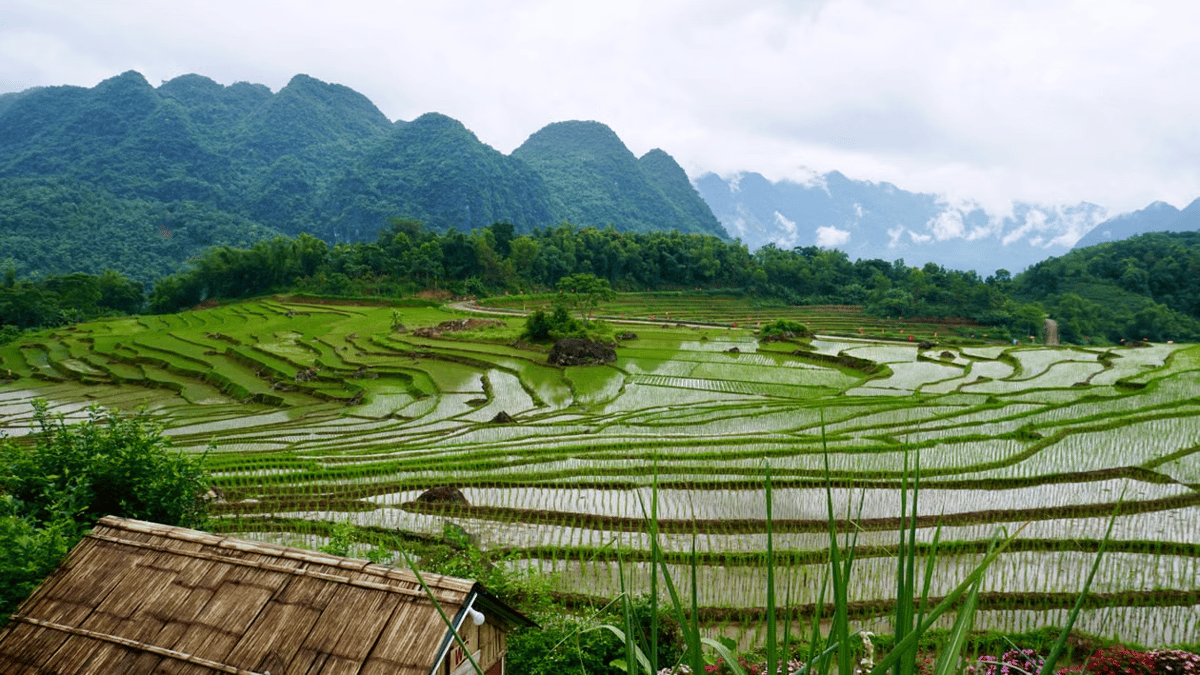
The rice fields become increasingly green as the new crop grows.
The weather is generally pleasant for trekking, and the landscape is fresh and vibrant.
This is a particularly good period for travelers who enjoy hiking, photography and nature.
June–August: Summer
The valleys remain lush and green, but temperatures are higher and rain can occur.
If you visit during this period, it is a good idea to plan outdoor activities in the morning and late afternoon when temperatures are more comfortable.
September–October: Rice Harvest Season
This is one of the best times to visit Pu Luong.
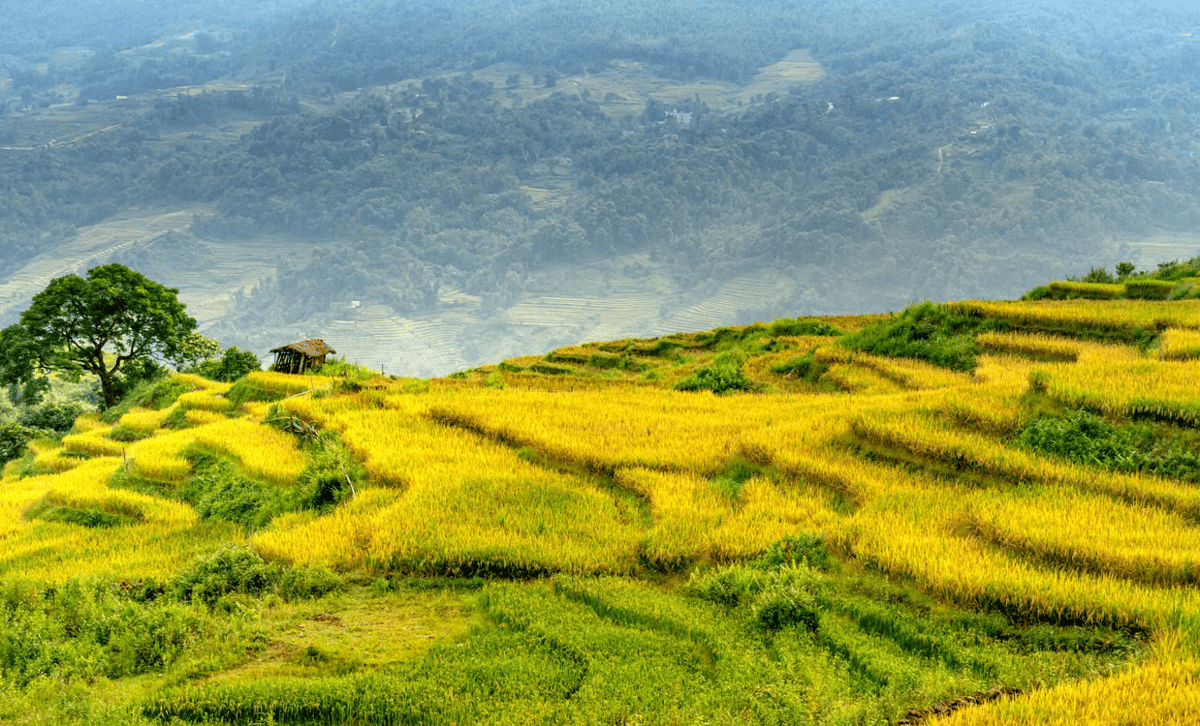
The rice terraces gradually turn golden as the harvest approaches, creating beautiful views across the valleys.
The combination of golden rice fields, misty mountains and traditional villages makes this an especially attractive period for photographers.
If you are planning to visit Pu Luong during the harvest season, book your accommodation and transportation early, especially for weekends.
November–February
The weather becomes cooler and the rice fields are no longer at their golden best.
However, this period can be ideal for travelers who prefer cooler weather, fewer visitors and a peaceful mountain retreat.
For me, the rice harvest season remains my absolute favorite. Gazing out at a field of brilliant golden rice and breathing in the fragrance of the ripening grain is a truly delightful experience.
How Many Days Do You Need in Pu Luong?
For most travelers, I recommend 3 days and 2 nights.
However, if you have limited time, a 2-day, 1-night itinerary can still cover the main highlights.
2 Days 1 Night – Quick Escape
This option is ideal for travelers who want to experience Pu Luong but have limited time.
You can focus on the main attractions, enjoy a short trekking route, visit a local village and experience the beautiful rice terraces.
However, because the journey from Hanoi takes around 4–5 hours, the schedule can feel relatively rushed.
Best for:
First-time visitors
Travelers with limited time
A quick escape from Hanoi
Travelers who want to combine Pu Luong with other destination

Pu Luong Retreat, and Pu Luong Jungle are top-tier resorts that consistently receive high praise from guests.
3 Days 2 Nights – Recommended
If you have an extra day, the experience becomes much more relaxed.
You can spend more time trekking through the valleys, explore villages such as Ban Don and Kho Muong, visit Hieu Waterfall and enjoy your resort without constantly watching the clock.
You can also add activities such as cycling, local cooking experiences or simply relaxing by the pool.
Best for:
Nature lovers
Couples
Photographers
Trekking enthusiasts
Slow travelers
Travelers looking for an authentic local experience
If you have even more time, Pu Luong can also be combined with Mai Chau or Ninh Binh to create a longer Northern Vietnam itinerary.
How to Get to Pu Luong from Hanoi?
Pu Luong is located approximately 150–170 km from Hanoi, depending on your route and destination within the reserve.
The journey generally takes around 4–5 hours by road.
For international travelers, there are three main options.
Transportation | Travel time | Estimated price | Best for |
Tourist/Limousine Bus | 4–5 hours | From around 400,000 VND/person/per way | Solo travelers & couples |
Private Car | 4–5 hours | From around 2,500,000 VND/car | Families & small groups |
Motorbike | 5–6 hours | Varies | Experienced riders |
For me, traveling by limousine is always the top choice; it is both economical and convenient. Lan Anh Limousine is the operator I frequently choose and recommend to others.
Best Things to Do & Places to Visit in Pu Luong
Pu Luong is not a destination where you simply visit one famous attraction and leave. Its charm comes from the combination of nature, local culture and slow travel.
Explore the Rice Terraces
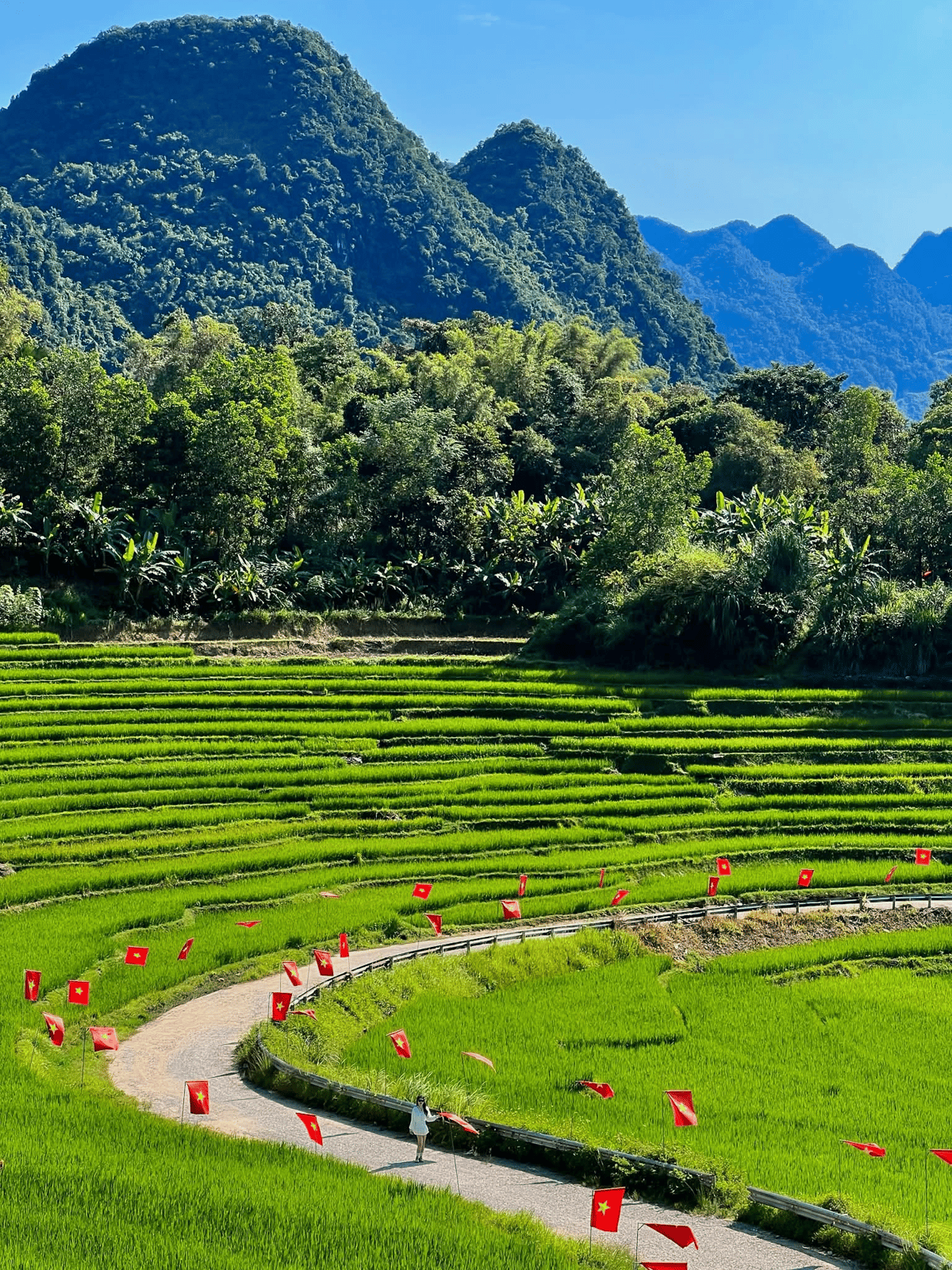
Walking through the rice terraces is one of the best things to do in Pu Luong.
Depending on the season, you can see the fields in different shades of green or golden yellow. Early morning is particularly beautiful when mist hangs over the valleys.
Trek Through Local Villages
Trekking is one of the highlights of a Pu Luong trip.
Routes can take you through rice fields, forests, small streams and traditional villages.
You do not necessarily need to be an experienced hiker. Many routes can be adapted to different fitness levels, making Pu Luong suitable for both beginners and experienced trekkers.
Visit Ban Don
Ban Don is one of the best-known villages in Pu Luong.
Here, you can see traditional Thai houses, walk through rice fields and learn more about the lifestyle of the local community.
Staying overnight in a local homestay can make the experience even more authentic.
Explore Kho Muong Valley
Kho Muong is surrounded by limestone mountains and is one of the more remote and scenic areas of Pu Luong.
The journey itself is part of the experience, with winding roads and mountain scenery along the way.
For travelers interested in nature and local culture, this is a destination worth adding to your itinerary.
Visit Hieu Waterfall
Located near Hieu Village, Hieu Waterfall is a popular stop for travelers exploring Pu Luong.
You can combine a visit to the waterfall with trekking through the surrounding countryside.
During warmer months, the natural pools around the waterfall can also provide a refreshing break after a hike, subject to local conditions and safety.
See the Traditional Water Wheels
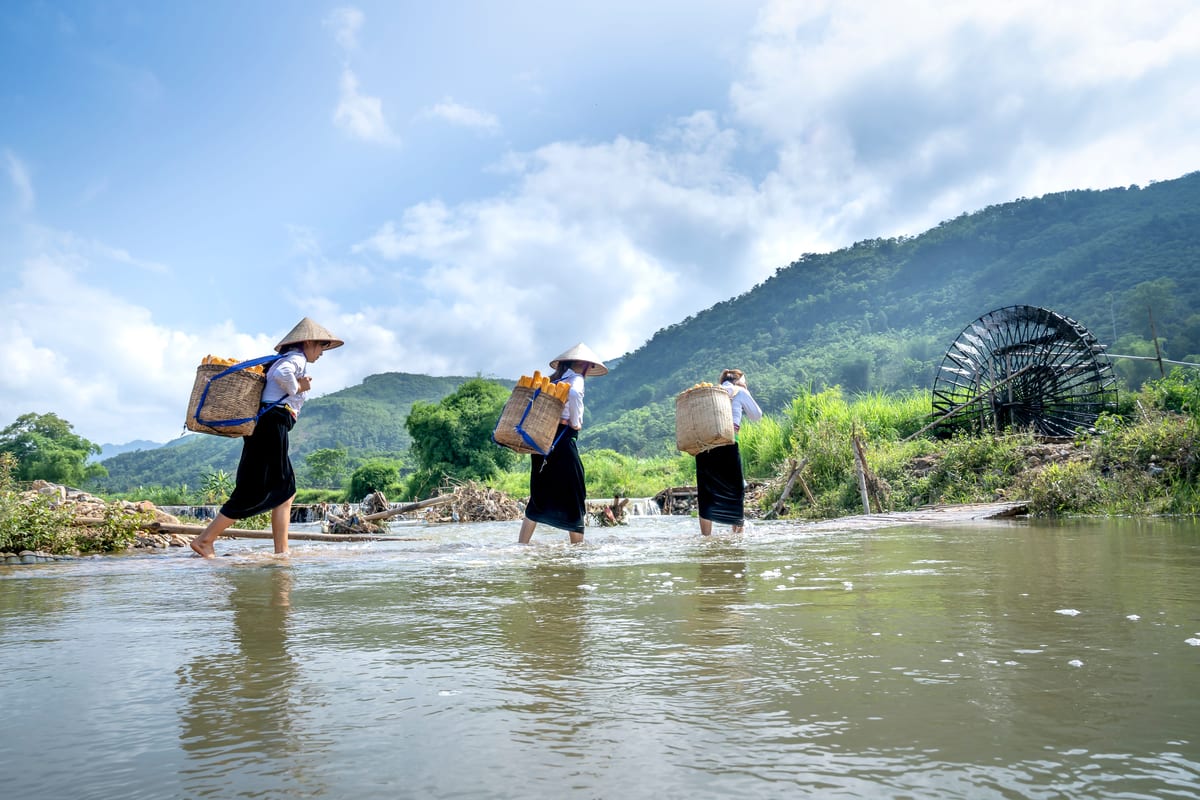
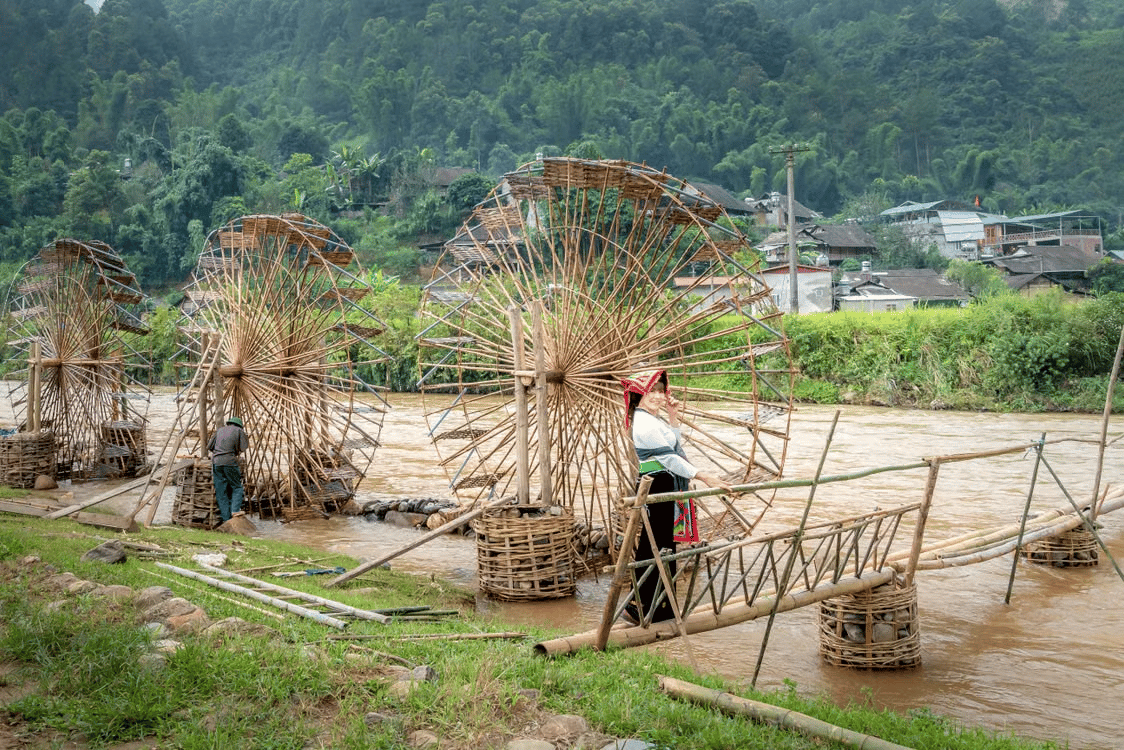
The traditional wooden water wheels are one of Pu Luong's most recognizable features.
Local communities have traditionally used these structures to move water from streams into their rice fields.
They are a fascinating example of how people have adapted to the mountainous landscape.
Cycle Through the Valley
If trekking is not your thing, cycling is another excellent way to explore Pu Luong.
You can ride through quiet village roads, rice fields and valleys while stopping whenever you find a beautiful viewpoint.
Experience Local Thai Culture & Cuisine
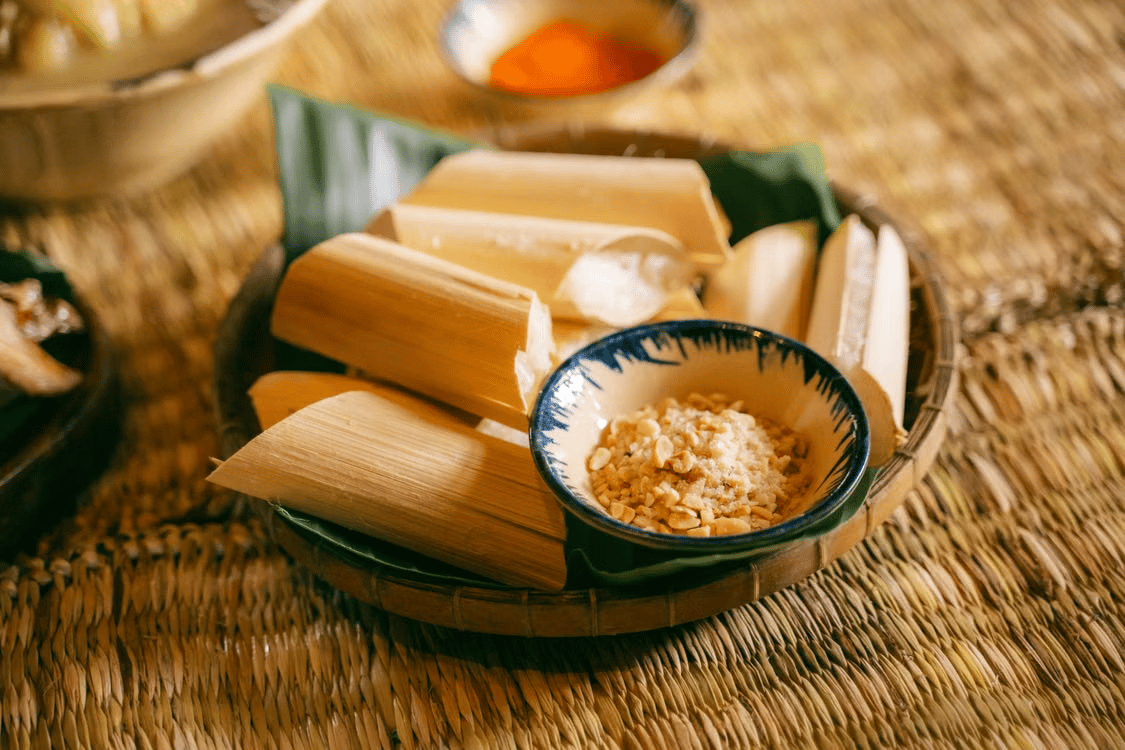
Don't leave Pu Luong without trying some local food.
Popular dishes include:
Cơm lam – bamboo sticky rice
Grilled mountain chicken
Stream fish
Local vegetables
Grilled pork
Traditional dishes prepared by Thai families
For a more meaningful experience, consider joining a local cooking class or homestay dinner.
This combination of adventure + relaxation is what makes Pu Luong particularly attractive for couples and travelers looking for a peaceful Northern Vietnam getaway.
Pu Luong Travel Tips, Costs & FAQ
How Much Does a Pu Luong Trip Cost?
Your total budget depends on your accommodation and transportation choices.
Travel style | Estimated budget for 3D2N |
Budget | 2,000,000–3,000,000 VND/person |
Mid-range | 3,500,000–5,500,000 VND/person |
Luxury / Private | From 6,000,000 VND/person |
These are estimated costs only and can vary depending on the season, accommodation category, group size and activities included.
Essential Tips for Visiting Pu Luong
Bring comfortable shoes: Even if you are not planning a serious trek, you will likely walk on uneven and sometimes muddy paths.
Prepare some cash: Cash is still useful in rural areas where card payments may not always be available.
Check the weather before trekking: Rain can make mountain trails slippery and more difficult.
Book early during rice harvest season: September and October are popular, so the best-view rooms and resorts can sell out quickly.
Respect local culture: Pu Luong is home to ethnic communities with their own traditions. Dress appropriately and ask permission before photographing local people.
Consider a local guide: A guide can help you discover less-visited trails and explain the history and culture behind the villages and landscapes.
Pu Luong Travel FAQs
1. Is Pu Luong worth visiting?
Yes. Pu Luong is ideal for travelers looking for nature, trekking, local culture and a quieter alternative to more developed tourist destinations in Northern Vietnam.
2. How far is Pu Luong from Hanoi?
It is roughly 150–170 km from Hanoi, with a typical driving time of around 4–5 hours depending on the route and destination.
3. What is the best month to visit Pu Luong?
September and October are among the best months if you want to see the rice terraces during harvest season. May and June are also beautiful when the landscape is lush and green.
4. How many days do you need in Pu Luong?
Two days and one night is enough for the highlights, while three days and two nights is the better option for a relaxed experience.
5. Is Pu Luong suitable for beginners?
Yes. Trekking routes can be adapted to different fitness levels. You do not need to be an experienced hiker to enjoy Pu Luong.
6. Can I visit Pu Luong without trekking?
Absolutely. You can explore villages by car or bicycle, visit local attractions and spend time relaxing at your resort.
Planning your Vietnam trip in 2026? Let us help you design a private Pu Luong itinerary that combines authentic local experiences, comfortable accommodation and the best seasonal landscapes.