Table of Contents17 sections
- 1Is Phu Quy Island worth visiting?
- 2When is the best time to visit Phu Quy Island?
- 2.1March to April: the best time to go
- 2.2May to July: possible, but less predictable
- 2.3August to November: not ideal for a short trip
- 2.4December to February: drier, but not always calm
- 3How many days do you need on Phu Quy Island?
- 3.12 days 1 night: possible, but quite rushed
- 3.23 days 2 nights: recommended
- 43 days 2 nights Phu Quy Island itinerary
- 4.1Day 1 on Phu Quy Island
- 4.2Day 2 with Hon Tranh, Cao Cat Mountain & Sunset
- 4.3Day 3: One last morning on Phu Quy and back to Ho Chi Minh City
- 5How much does this 3-day Phu Quy itinerary cost?
- 6Phu Quy travel tips and FAQs
- 6.1Essential tips for visiting Phu Quy Island
- 6.2Phu Quy Island FAQs
Phu Quy is the kind of island where three days can feel surprisingly full. You can spend the morning riding along quiet coastal roads, take a boat out to Hon Tranh, swim in clear water, eat fresh seafood and still have enough time to slow down for sunset by the sea.
But a good Phu Quy trip needs a little planning. Ferry schedules, sea conditions and the timing of boat activities can easily affect a short itinerary. This 3-day Phu Quy Island itinerary is designed to keep the trip practical without packing every hour, with a realistic route, local food stops, accommodation options, transport tips and a clear idea of how much you should budget.
Is Phu Quy Island worth visiting?
Yes, especially if you love the sea, outdoor activities and exploring somewhere that still feels fairly low-key.
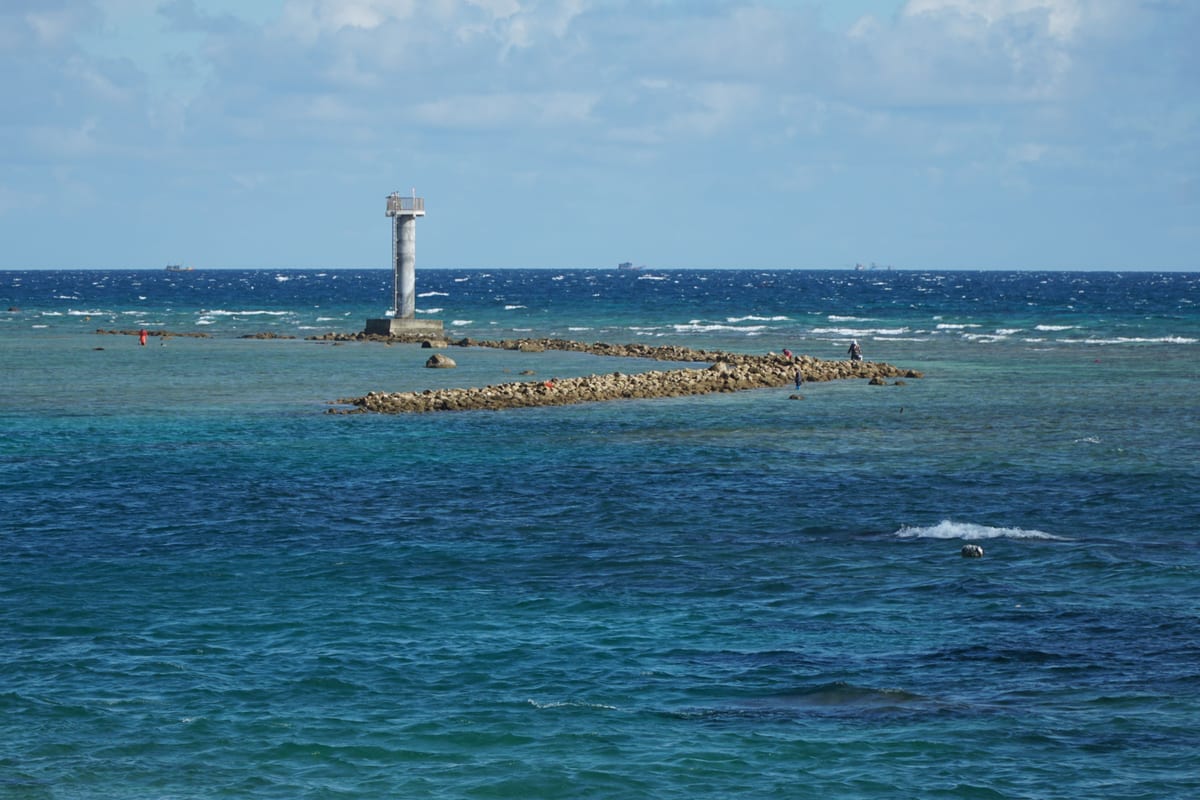
Phu Quy is small, but three days here can fill up surprisingly fast. You can ride around the island by motorbike, stop at beaches and viewpoints, take a boat to Hon Tranh, go snorkeling, swim in clear water and explore different parts of the rocky coastline.
If you enjoy nature and time in the water, this is really where Phu Quy stands out. A good part of the trip happens outdoors, whether you are snorkeling, swimming, taking a boat out or just following the coastal roads from one stop to the next.
The days can be quite active, but not in a stressful way. Most places are relatively close together, so you can do quite a lot without spending hours moving between attractions. Then later in the day, things naturally slow down with seafood, coffee and sunset by the coast.
Phu Quy also feels much less commercial than bigger beach destinations in Vietnam. You are not coming here for luxury resorts or nightlife. You come for the sea, the scenery, the food and the freedom to move around the island at your own pace.
For a first trip, 3 days and 2 nights works really well. It gives you enough time for the main sights, at least one water activity, plenty of local food and a couple of good sunsets without having to leave too much out.
When is the best time to visit Phu Quy Island?
For Phu Quy, sea conditions matter just as much as the weather. You need a ferry to reach the island, and activities such as snorkeling and trips to Hon Tranh depend heavily on the wind and waves.
March to April: the best time to go
March and April are the months I would choose for this itinerary.
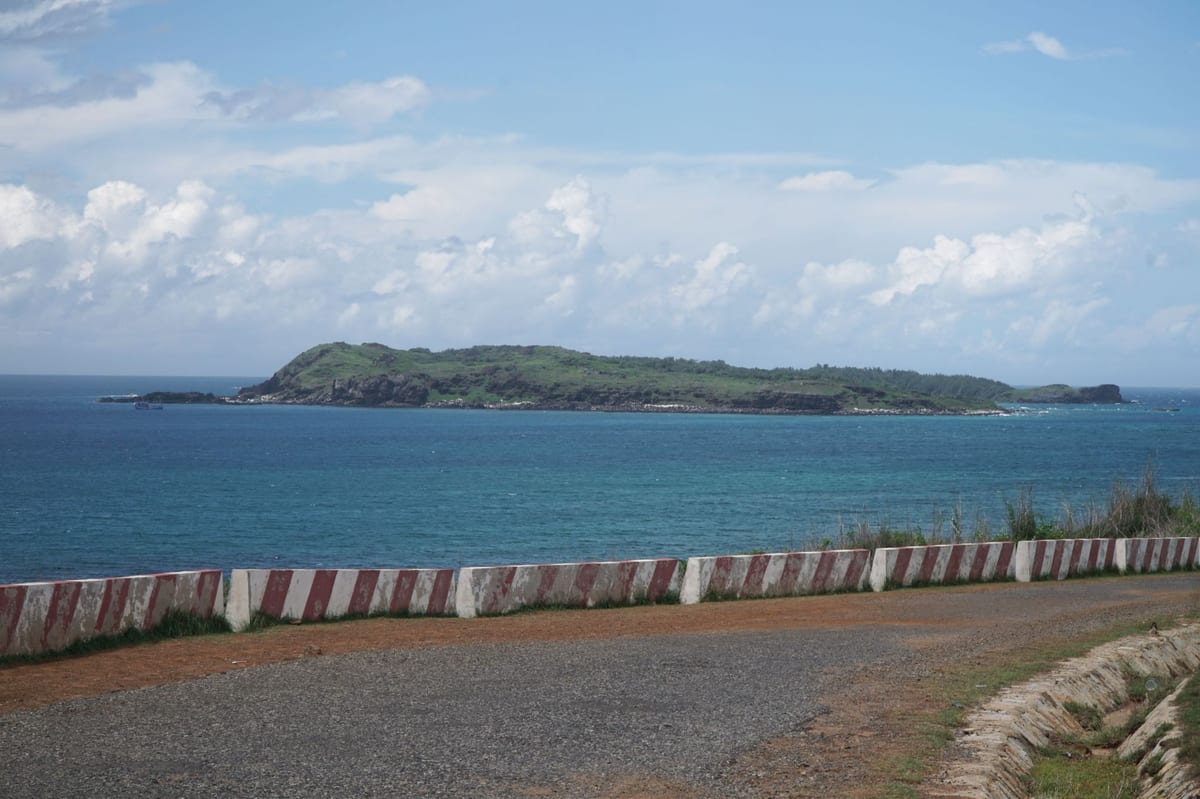
The sea is generally calmer during this period, which gives you a better chance of getting out to Hon Tranh, snorkeling and swimming. The weather is also usually comfortable enough for spending most of the day exploring the island by motorbike.
May to July: possible, but less predictable
Phu Quy’s rainy season starts around May, although that does not mean it rains all day.
The bigger issue is that wind and sea conditions become less predictable. By July, Phu Quy also enters one of its windier periods of the year, so boat trips and snorkeling depend more heavily on the conditions that day.
You can still visit, but it is better to keep water activities flexible.
August to November: not ideal for a short trip
If your dates are flexible, I would avoid these months for a first 3-day, 2-night trip.
Rain, stronger winds and rough seas can interfere with boat activities, and ferry services may also be suspended when conditions are unsafe.
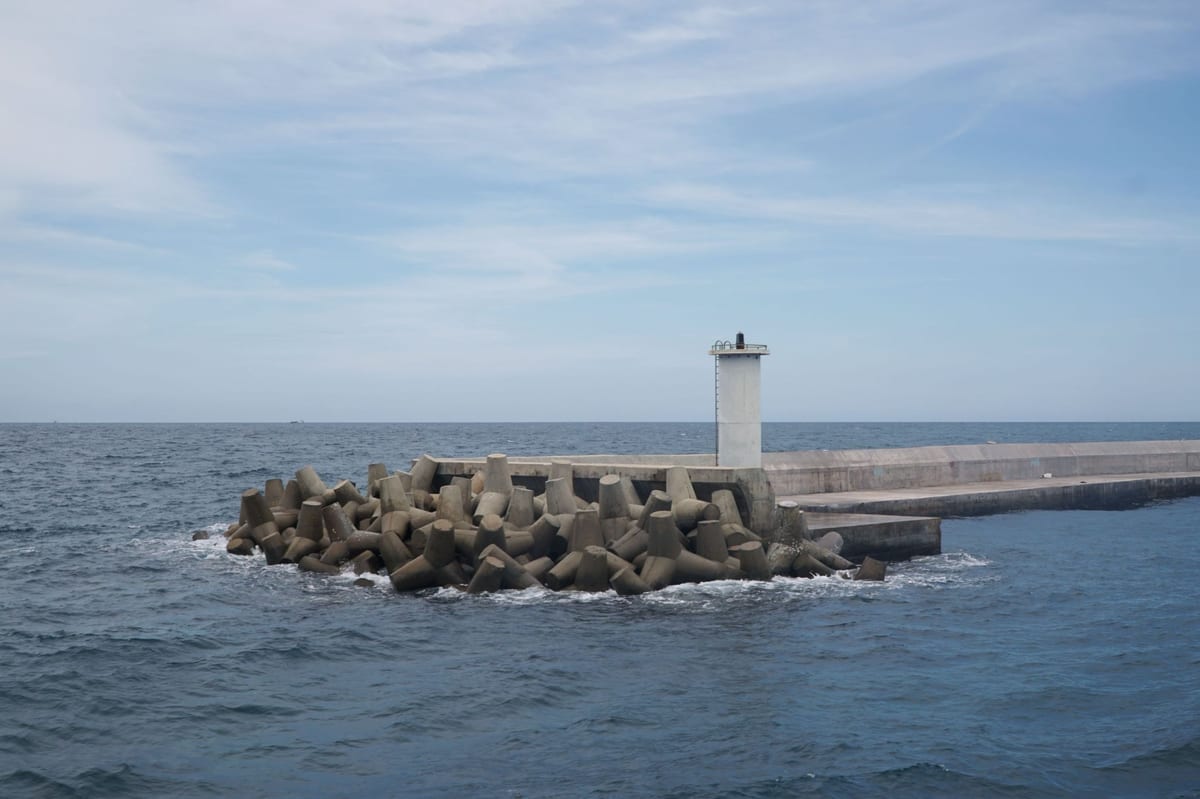
For such a short stay, one bad-weather day can take a big chunk out of the itinerary, especially if Hon Tranh or snorkeling is one of the main reasons you are visiting.
December to February: drier, but not always calm
These months are generally drier, but dry weather does not necessarily mean calm seas.
Northeast monsoon winds can still bring rough conditions, and ferry services between Phan Thiet and Phu Quy have been temporarily suspended during periods of strong wind and high waves.
How many days do you need on Phu Quy Island?
For most first-time visitors, 3 days and 2 nights is enough.
The island is compact, but ferry times and water activities take up a fair amount of the schedule, so trying to squeeze everything into two days can feel tight.
2 days 1 night: possible, but quite rushed
This works if you mainly want to explore the main island.
You can rent a motorbike, visit a few beaches and viewpoints, eat seafood and catch a sunset, but adding Hon Tranh or snorkeling means you will have to cut something else.
Best for:
Travelers short on time
A quick weekend trip
Visitors focusing on the main island
3 days 2 nights: recommended
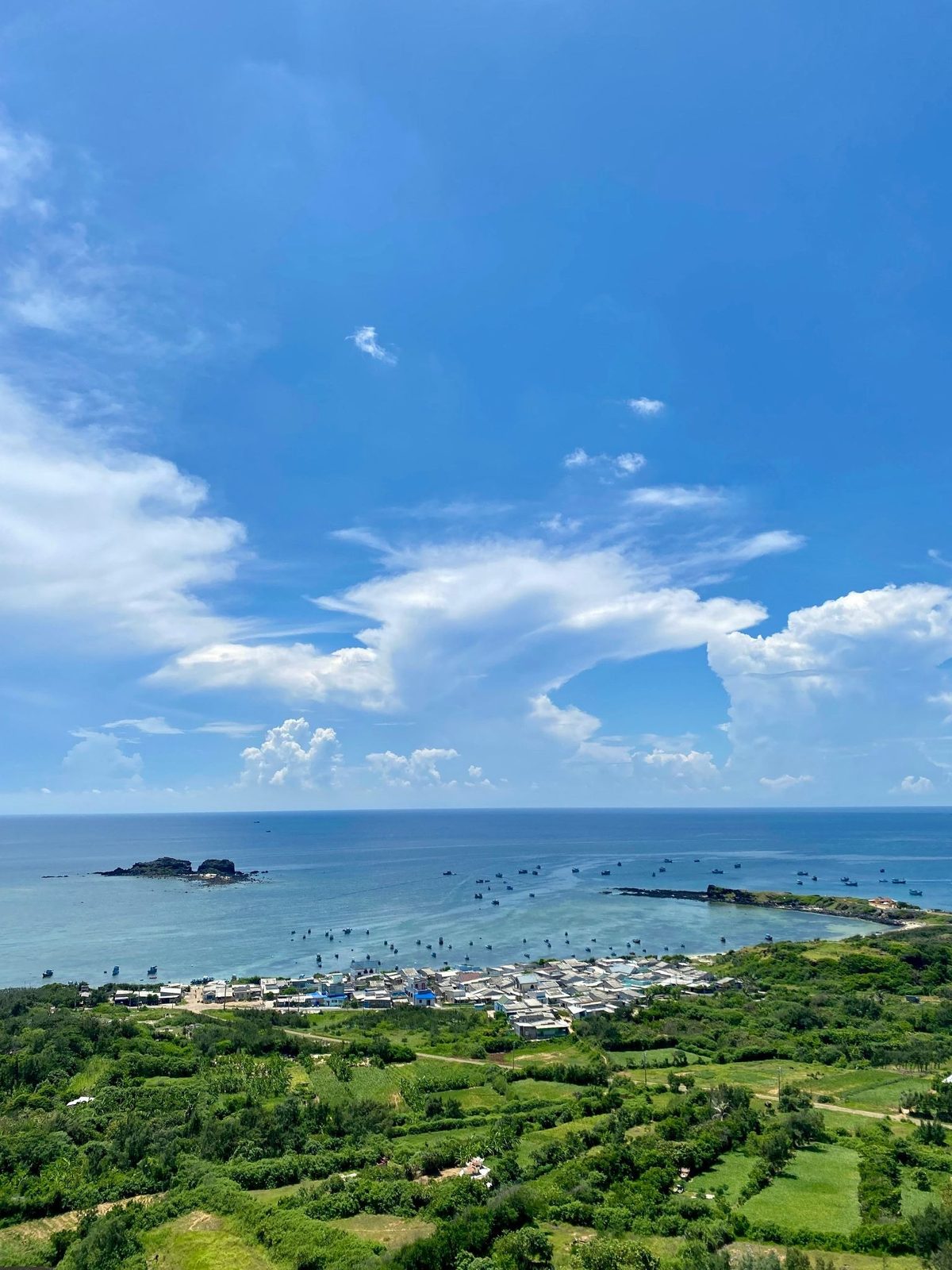
Three days gives you enough room for a full day around the island and another block of time for Hon Tranh, snorkeling or swimming.
It also makes the evenings easier to enjoy without watching the clock, whether that means seafood, coffee or sunset by the coast.
Best for:
First-time visitors
Couples and groups of friends
Beach and nature lovers
Travelers planning water activities
3 days 2 nights Phu Quy Island itinerary
This itinerary includes 3 days and 2 nights on Phu Quy Island. If you choose an early ferry, I recommend spending an additional night in Phan Thiet before Day 1.
How to travel to Phu Quy Island from Ho Chi Minh City?
Leg 1: Ho Chi Minh City → Phan Thiet
For a more comfortable ride, I would choose a limousine rather than a standard sleeper bus. The journey from Ho Chi Minh City to Phan Thiet usually takes around 2.5–3.5 hours, depending on the operator and where you are picked up and dropped off. Current options include Hanh Cafe - Ha Phuong Limousine, Nam Hai Limousine, G5Car Limousine and ADT Limousine, with tickets generally costing around $8–$17 per person.
If your ferry leaves early in the morning, I would not risk travelling from Ho Chi Minh City that same morning. Even though the drive is relatively short, traffic or a delayed bus could leave you with very little room before ferry check-in. Instead, travel to Phan Thiet the evening before and stay near the port for one night. It adds an extra hotel night, but it makes the ferry morning much easier and gives you some buffer if the bus runs late.
Leg 2: Phan Thiet → Phu Quy Island
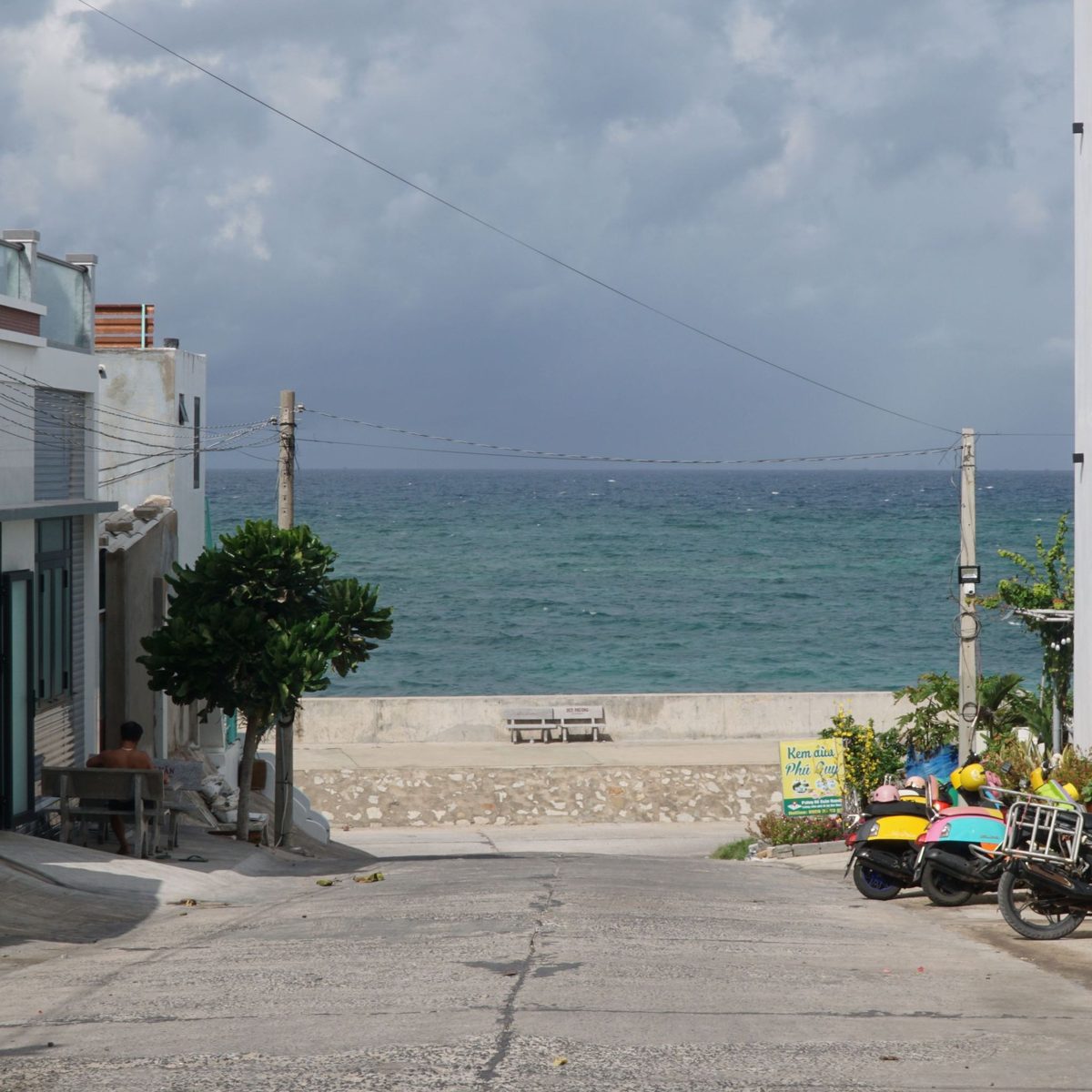
Once you arrive in Phan Thiet, head to Phan Thiet Transport Port (Cảng Vận tải Phan Thiết) for the ferry to Phu Quy. If your limousine drops you at its office rather than the port, take a taxi or Grab for the final transfer. I would leave some extra time rather than planning to arrive right before boarding.
Several passenger ferries operate the Phan Thiet–Phu Quy route, including Superdong, Phu Quy Express, Trung Trac and Mai Linh Express.
Superdong is one of the easiest options to start with. Its Phu Quy I and II vessels run at around 26–28 knots, with the crossing taking roughly 2.5 hours.
A standard adult ticket currently costs 350,000 VND (about $13.40) one way, while a VIP or reclining berth ticket is around 400,000 VND (about $15.30).
Phu Quy Express is another good option.
The ferry has a two-hull design and offers both seats and beds. Current one-way adult fares are 350,000 VND (about $13.40) for a standard seat, 400,000 VND (about $15.30) for a standard bed, and 700,000 VND (about $26.80) for VIP. The published crossing time is around 2 hours 15 minutes.
If you are prone to seasickness, the catamaran-style design may feel more stable than some conventional vessels, but I would still bring motion-sickness medication if you normally need it.
Choose the ferry based on the departure time that works best for your trip. Schedules vary by day and can change with tides and weather, so check again shortly before you travel.
Getting around Phu Quy Island
Once you arrive on Phu Quy, rent a motorbike as soon as possible.
You do not really need a car on the island. A scooter is much more convenient because Phu Quy is relatively small and many roads are narrow. You will find plenty of local rental shops around the port and accommodation areas.
Before looking elsewhere, ask your homestay or hotel if they have motorbikes for rent. Many places either have their own bikes or can arrange one for you, and some can even have it ready when you arrive.
One convenient option near the port is Thuê xe máy Giỏi. Its current listed prices are around VND 100,000/day for a Wave or Sirius and VND 120,000/day for a Honda Vision or Air Blade.
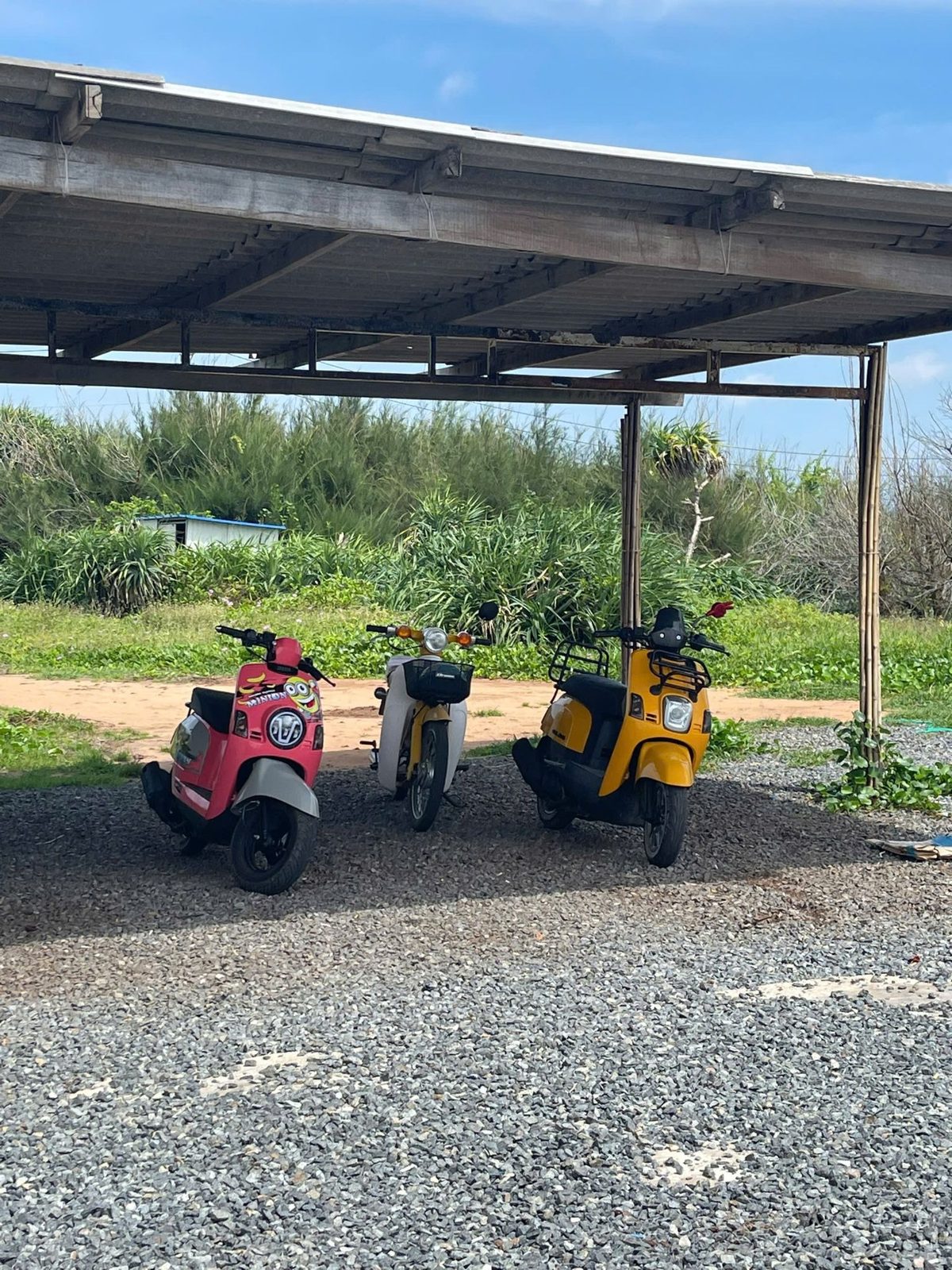
Before taking the bike, I’d recommend you spend 3-5 minutes checking: helmet, brakes, tyres, turn signals, fuel level…anything related to the bike to make sure that everything is under control. Remember to bring your documents with you in case the rental shop require. Don’t forget to take photos of the motorbike before leaving. That takes five minutes and can save you a lot of trouble when returning it.
Where to stay?
Lalaland Retreat Phu Quy Island
If you love the ocean and want to enjoy a truly unobstructed sunset, Lalaland Retreat Phu Quy is a wonderful choice. Located right by the sea, the retreat offers a peaceful atmosphere where you can slow down, listen to the waves, and simply enjoy the island's beauty.
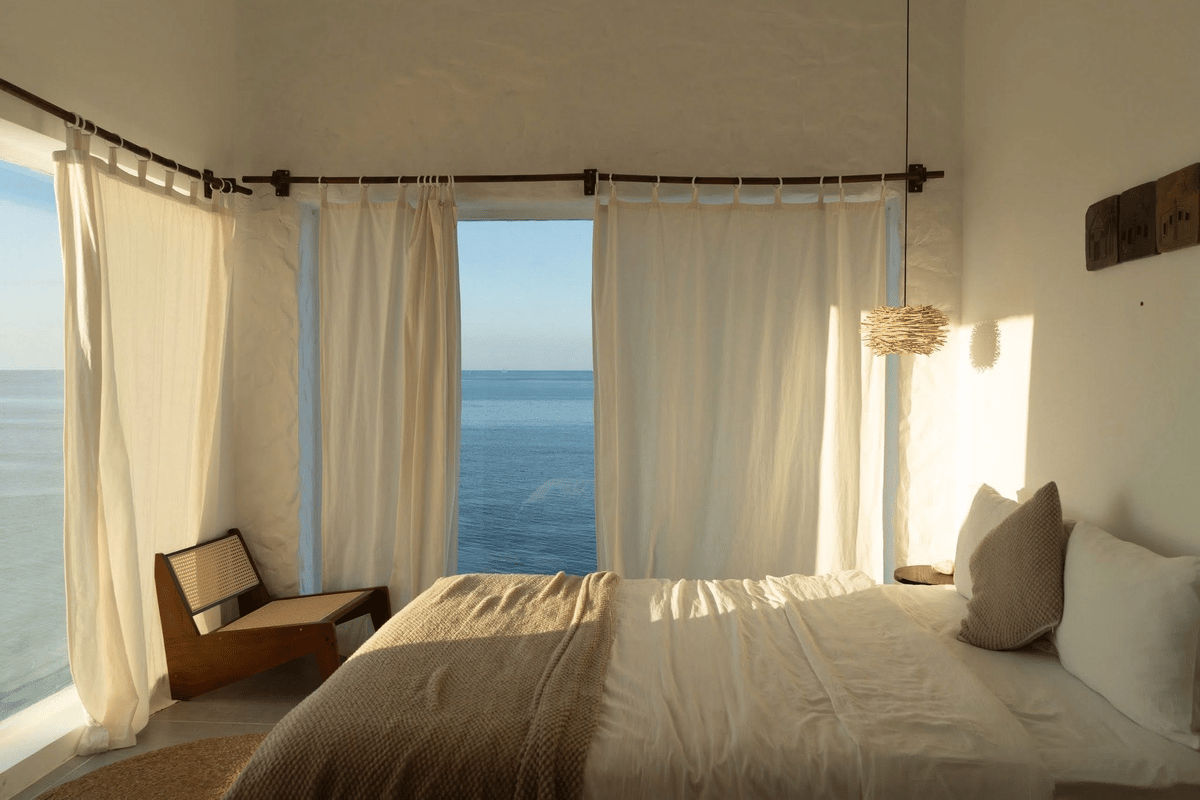
Lalaland Retreat Phu Quy is one of the newer and more stylish places to stay on Phú Quý Island. Opened in 2025, the retreat is located at 38/3 Yet Kieu, Tan Hai, close to the coast and within easy reach of several of the island’s popular sights.
Book this
paid link
Hotel - Lalaland Retreat, sold by Trip.com
44 - 75USD
Paid link — we earn a commission if you book, at no extra cost to you. It never changes what we recommend.
It is not the kind of hotel where you would stay if your priority were being surrounded by shops and busy nightlife. For that reason, the location works particularly well for travellers who want to wake up near the sea, explore different beaches during the day, and return to a quieter place in the evening.
The price is higher than a typical local homestay, so this is not really a budget option. Tripadvisor currently lists an average standard-room range of approximately VND 1,160,000–1,970,000 per room per night, depending on the dates and room type. Prices can change considerably between weekdays, weekends, holidays, and different booking platforms.
Chanky Hotel Phu Quy Island
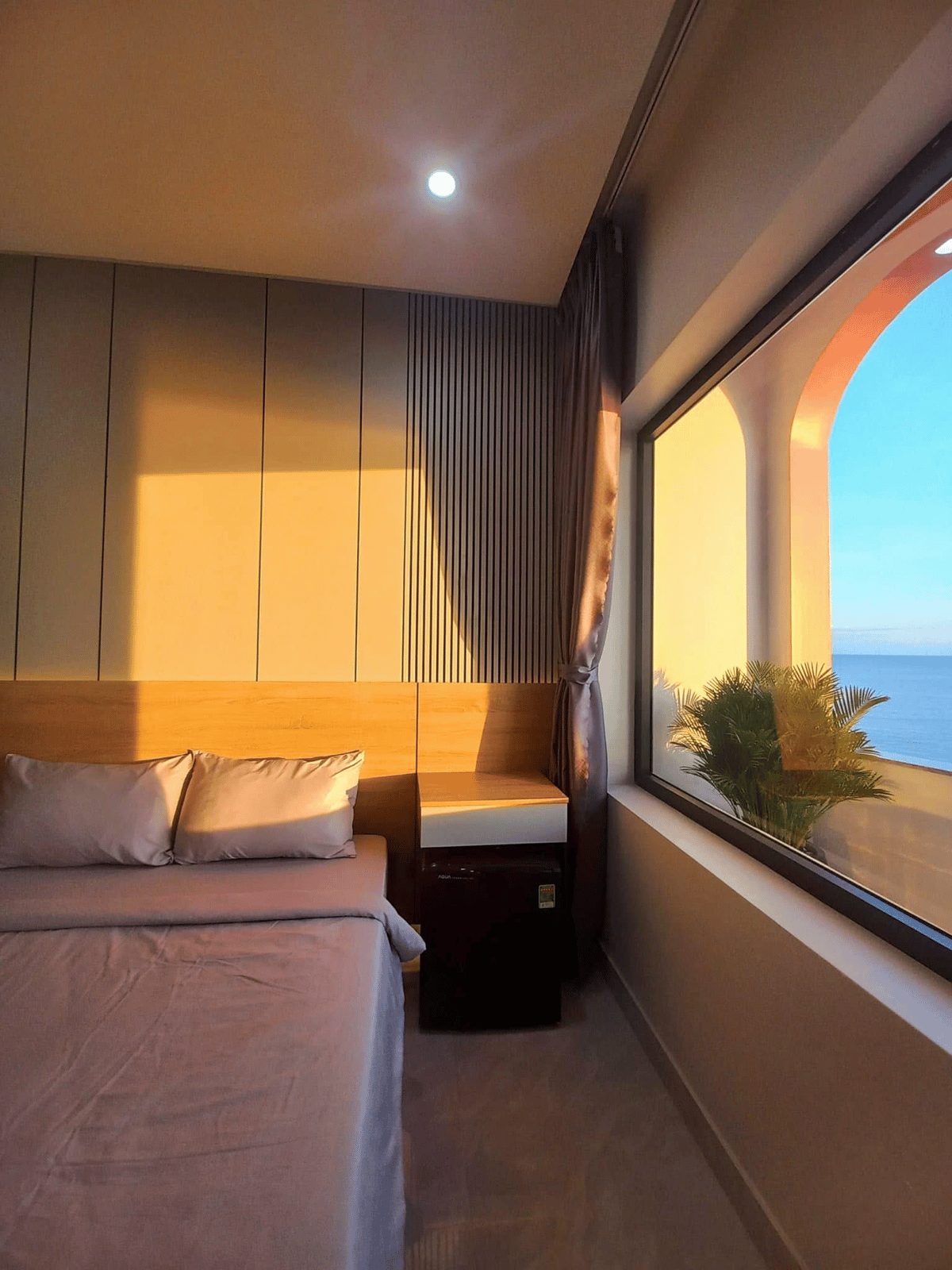
If you are looking for a comfortable place to stay in the central area of Phu Quy Island, Chanky Hotel Phu Quy is a very good option to consider. The hotel is located at 55 Phan Boi Chau, Tam Thanh, putting you close to local restaurants, the Tam Thanh market, fishing villages, and several seaside spots.
Book this
paid linkHotel - Chanky Phu Quy, sold by Trip.com
15 - 16USD
Paid link — we earn a commission if you book, at no extra cost to you. It never changes what we recommend.
The price-wise is quite affordable, especially compared with many beachfront resorts. Current online rates are around VND 390,000–430,000 per night for some standard rooms, although prices can change depending on dates and room type. Some sea-view or larger rooms can cost more.
Chanky Hotel is not the place to choose if you're looking for a luxurious five-star resort. But if your priorities are a central location, reasonable prices, local atmosphere, and easy access to food and sightseeing, it offers very good value for money.
Day 1 on Phu Quy Island
Lunch: Phu Quy Hot Beef
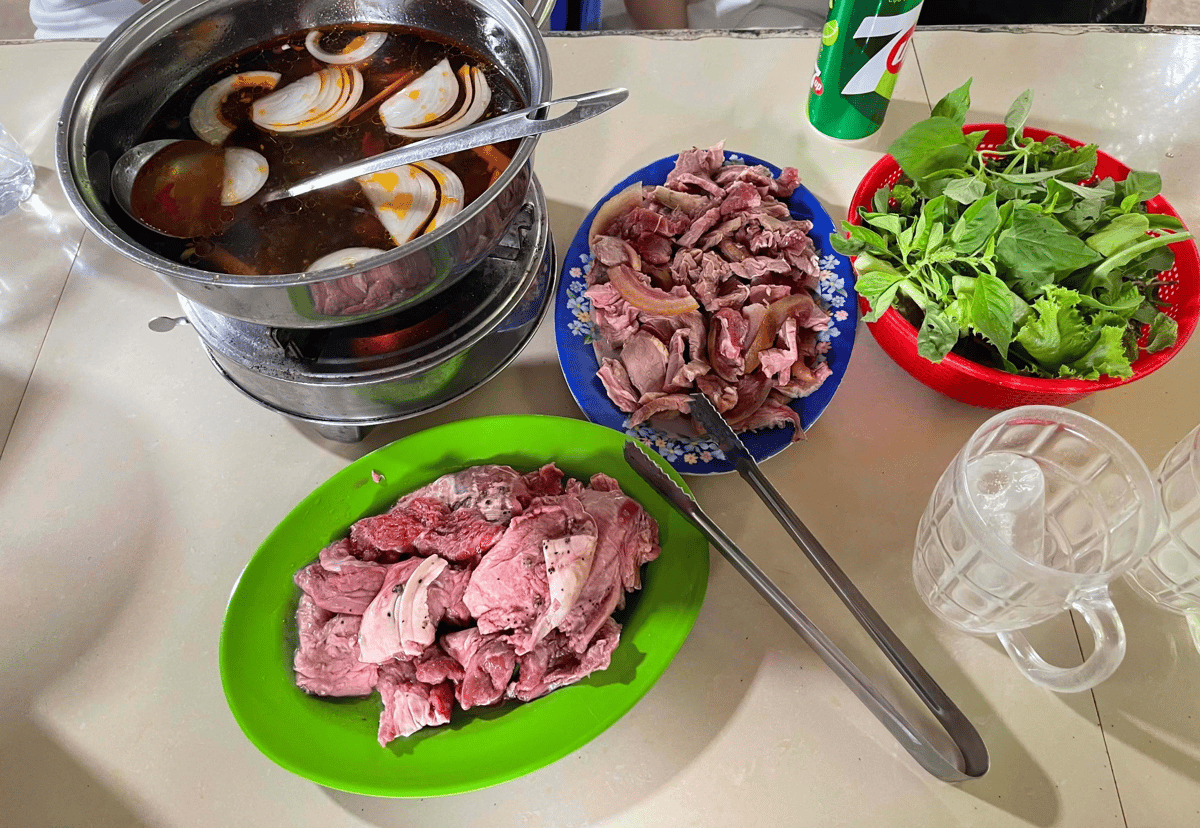
For your first proper meal, try hot beef, one of the island's specialities.
Recommended places include Uncle Ninh Hot Beef and Ngoc Tinh Hot Beef.
Budget: approximately VND 100,000–200,000/person.
The beef is usually prepared fresh and served with vegetables, rice paper and dipping sauces. You can grill or cook it and wrap it with herbs.
Why it’s worth trying: Phu Quy is known for both seafood and its local beef, so this gives you a different taste of the island instead of eating seafood at every meal.
Phuot Slope & Phu Quy Flagpole
Ride along the coastal road toward Phuot Slope.
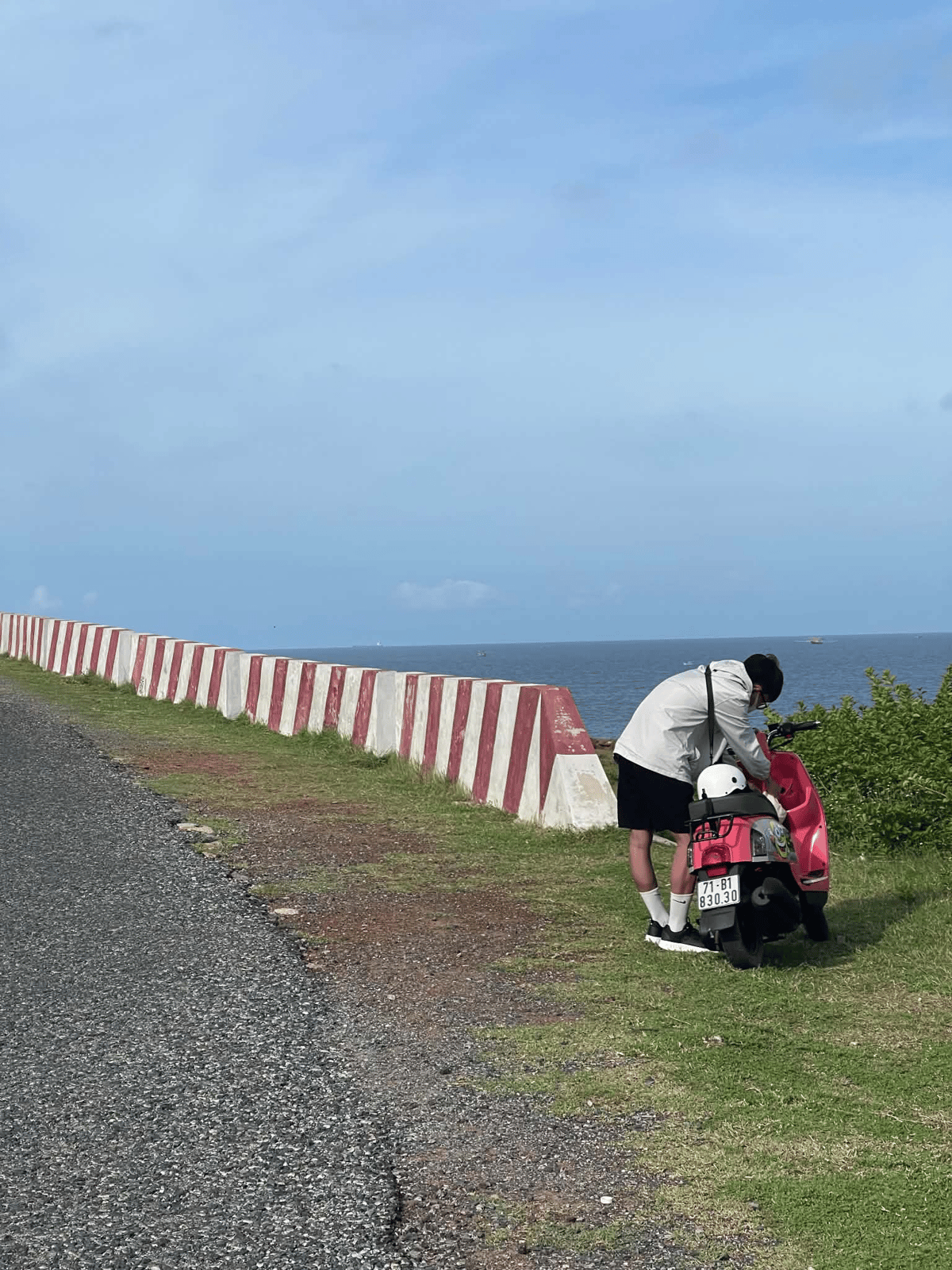
Phuot Slope is less of a conventional tourist attraction and more of a scenic road where the ocean opens up beside you. It is a great place to stop, take photographs and enjoy the coastline.
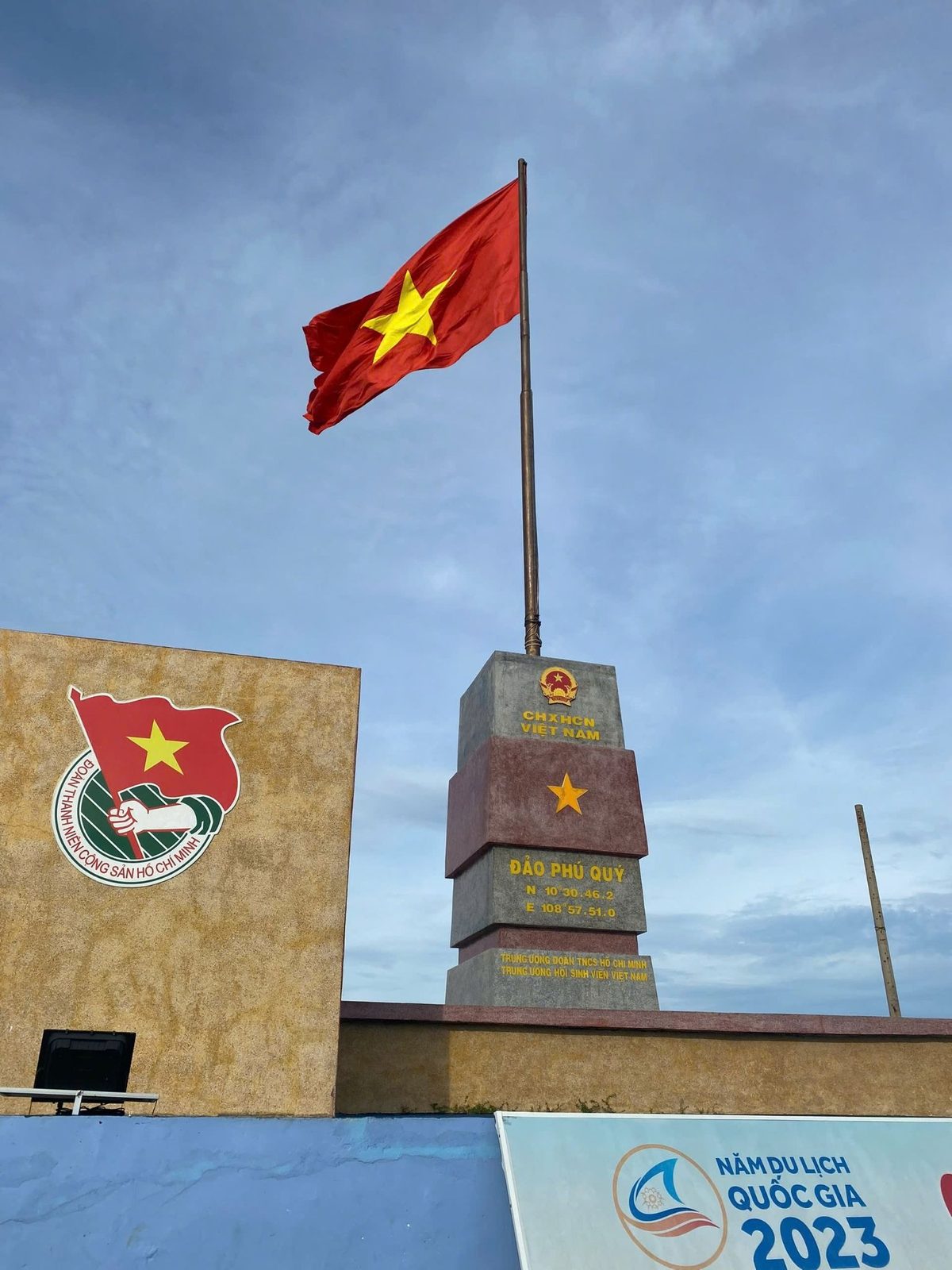
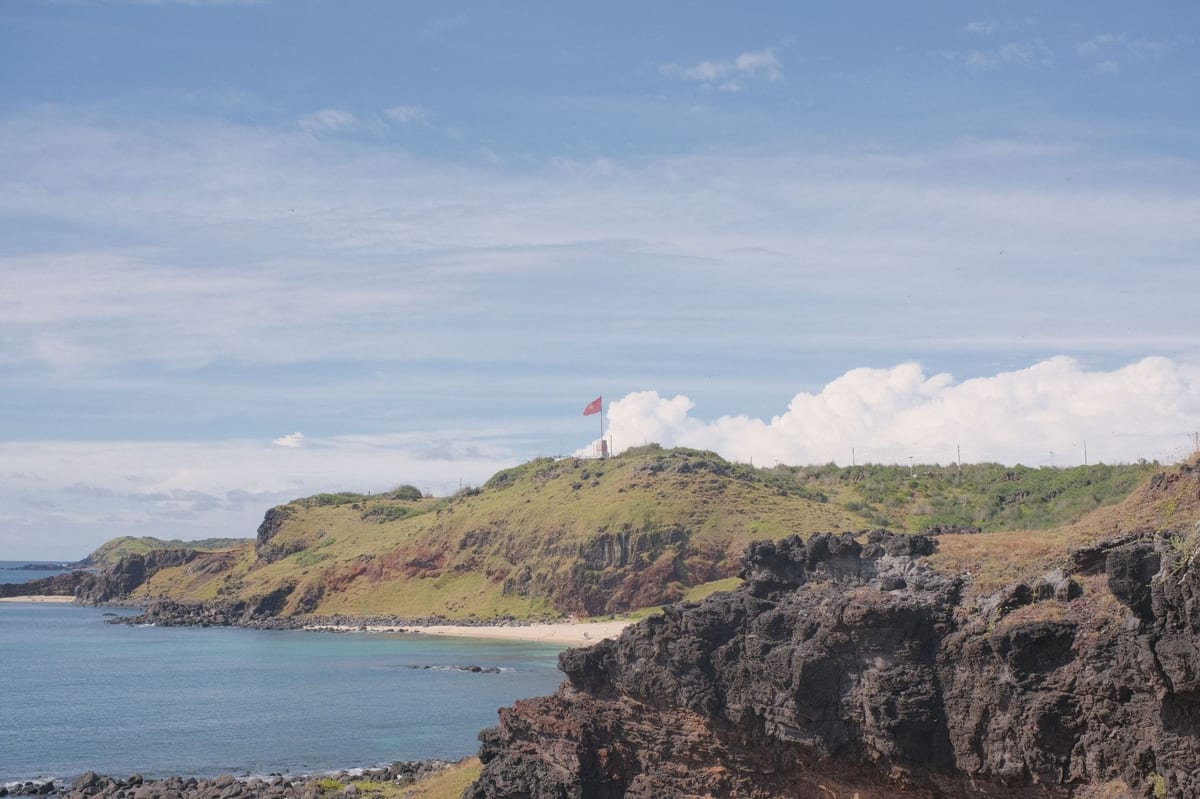
Continue to the Phu Quy Flagpole, another free viewpoint overlooking the sea and fishing boats.
Entrance: Free
Recommended time: 45–60 minutes.
Local-style recommendation: Don't rush between these two places. The coastal road itself is one of the nicest parts of exploring Phu Quy by motorbike.
Sunset at Ngu Phung Sea Embankment
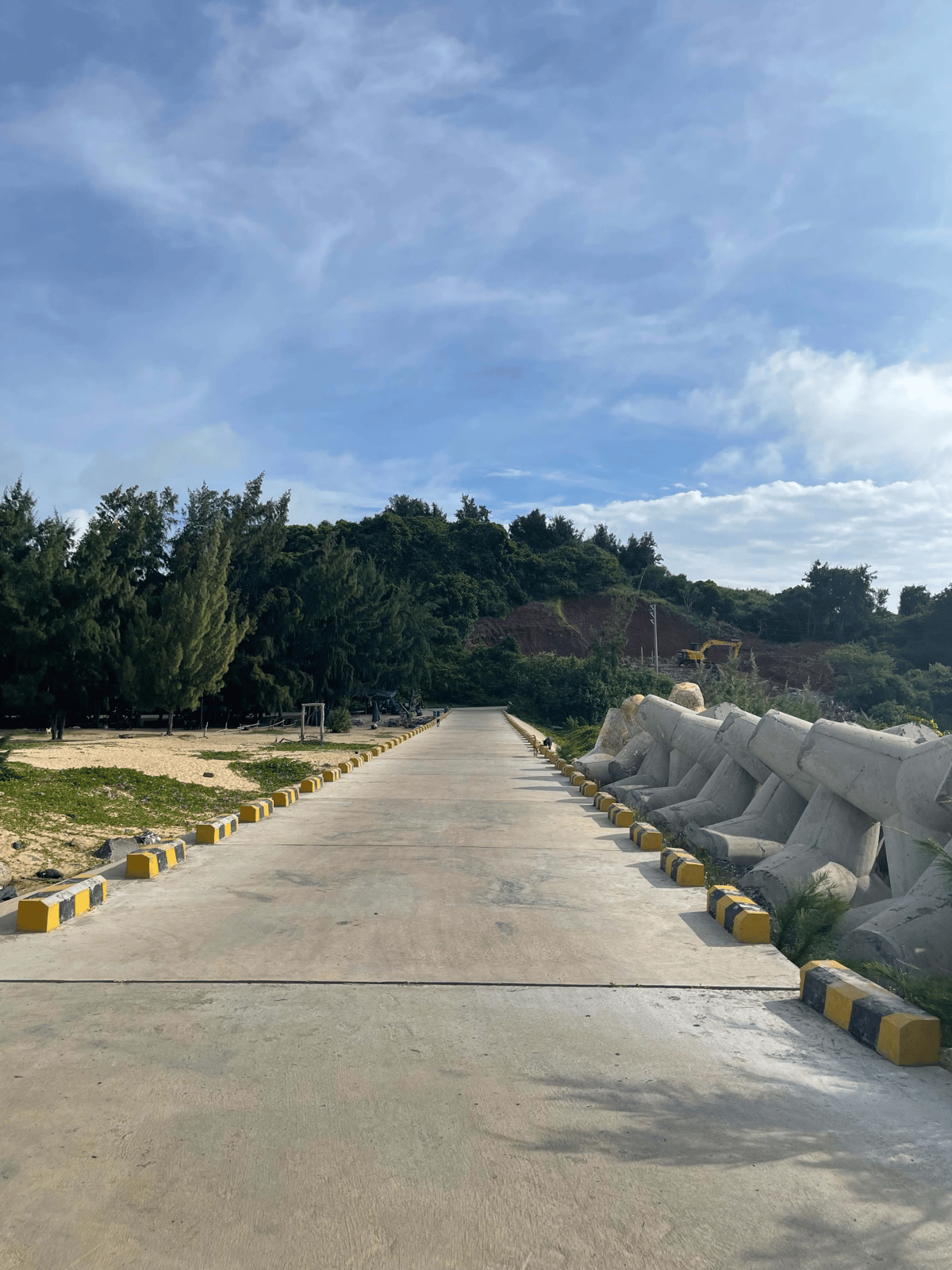
In the late afternoon, head toward Ngu Phung Sea Embankment.
This coastal area is a good place to sit down and watch the sun gradually disappear over the sea.
Entrance: Free.
Best time: Arrive around 5:15–5:30 PM.
My recommendation: Bring a cold drink and don't schedule anything immediately afterwards. Sunset is one of the moments when Phú Quý feels most peaceful. It is less about a specific attraction and more about enjoying the island's coastline.
Seafood dinner at Lưới Sea Food
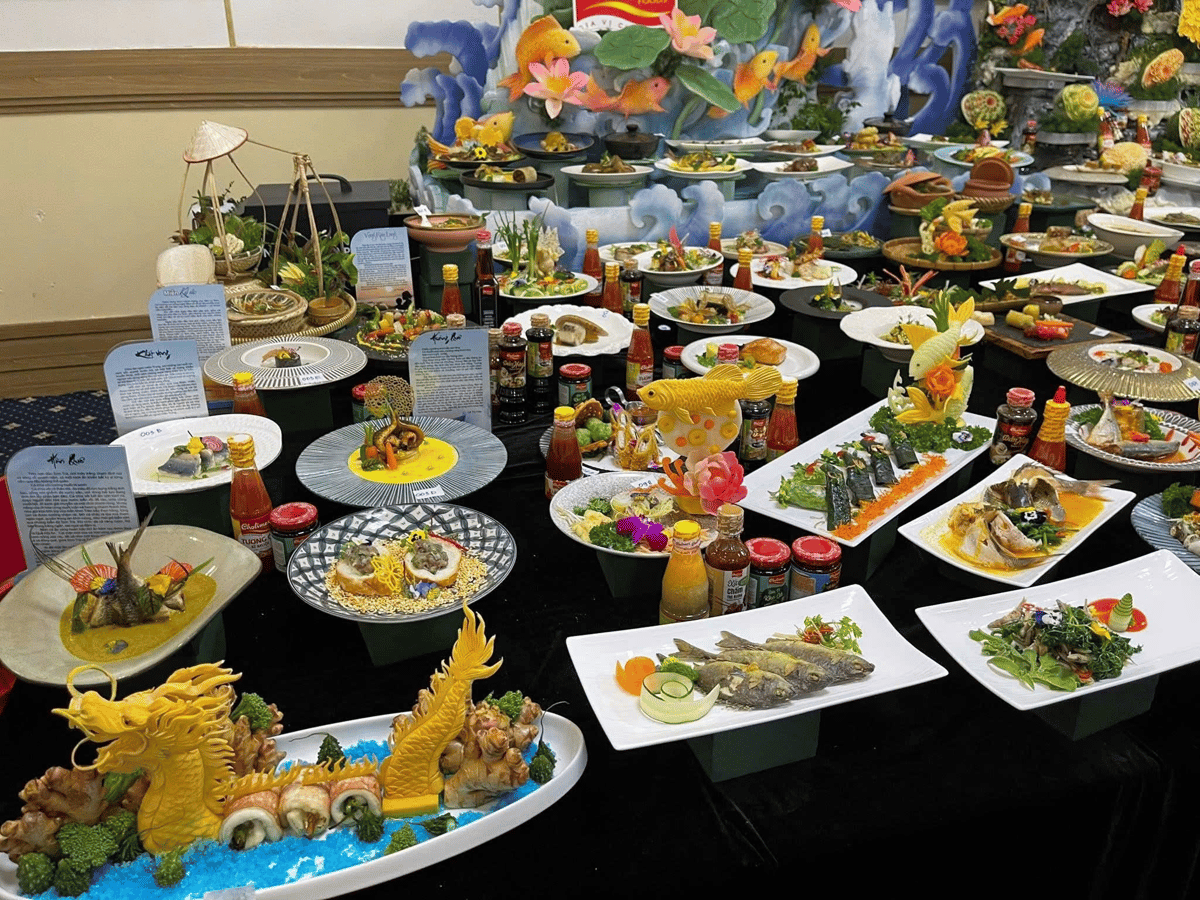
For your first seafood dinner, head to Lưới Sea Food at Lot 8, Tam Thanh Residential Area.
The restaurant is currently listed around VND 100,000–200,000/person, although the final bill can be higher if you order premium seafood or large portions.
Estimated budget: VND 150,000–300,000/person for a comfortable meal.
What to order: Choose a few seafood dishes to share rather than ordering too much at once. Fresh squid, shellfish, grilled seafood and seafood fried rice are easy choices.
My recommendation: This is a good first-night restaurant because the menu is varied and the location is convenient. For the best value, ask about the day's fresh seafood and its price before ordering.
Day 2 with Hon Tranh, Cao Cat Mountain & Sunset
Breakfast at Tam Thanh Market
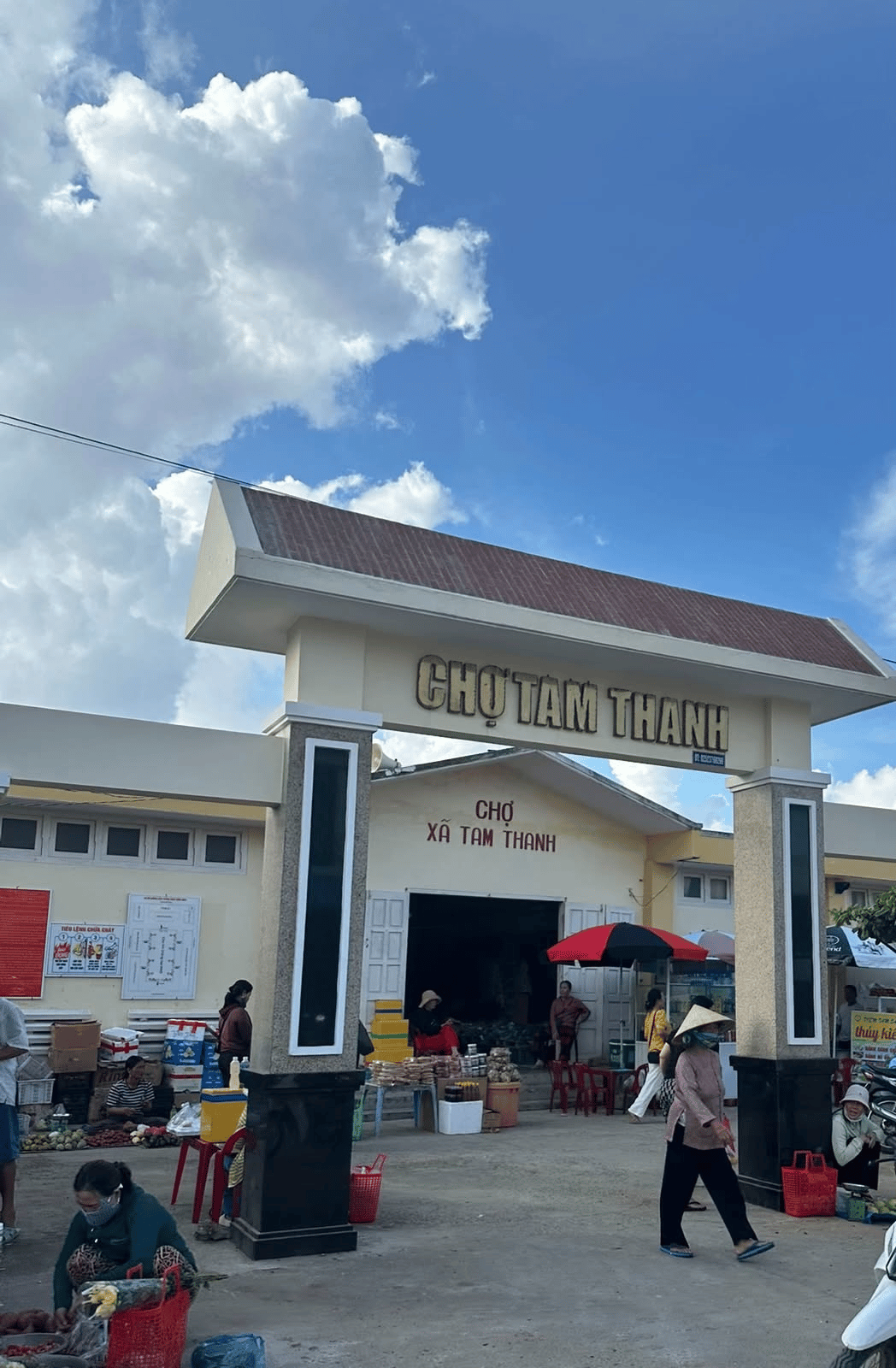
Start early at Tam Thanh Market, one of the places where you can see more of the island's everyday life.
Instead of looking for a fancy breakfast, choose a small local stall and order whatever is being served that morning.
Estimated cost: VND 20,000–50,000.
My recommendation: Go early. The market is most interesting in the morning when locals are buying seafood, vegetables and breakfast.
Hon Tranh Island Tour
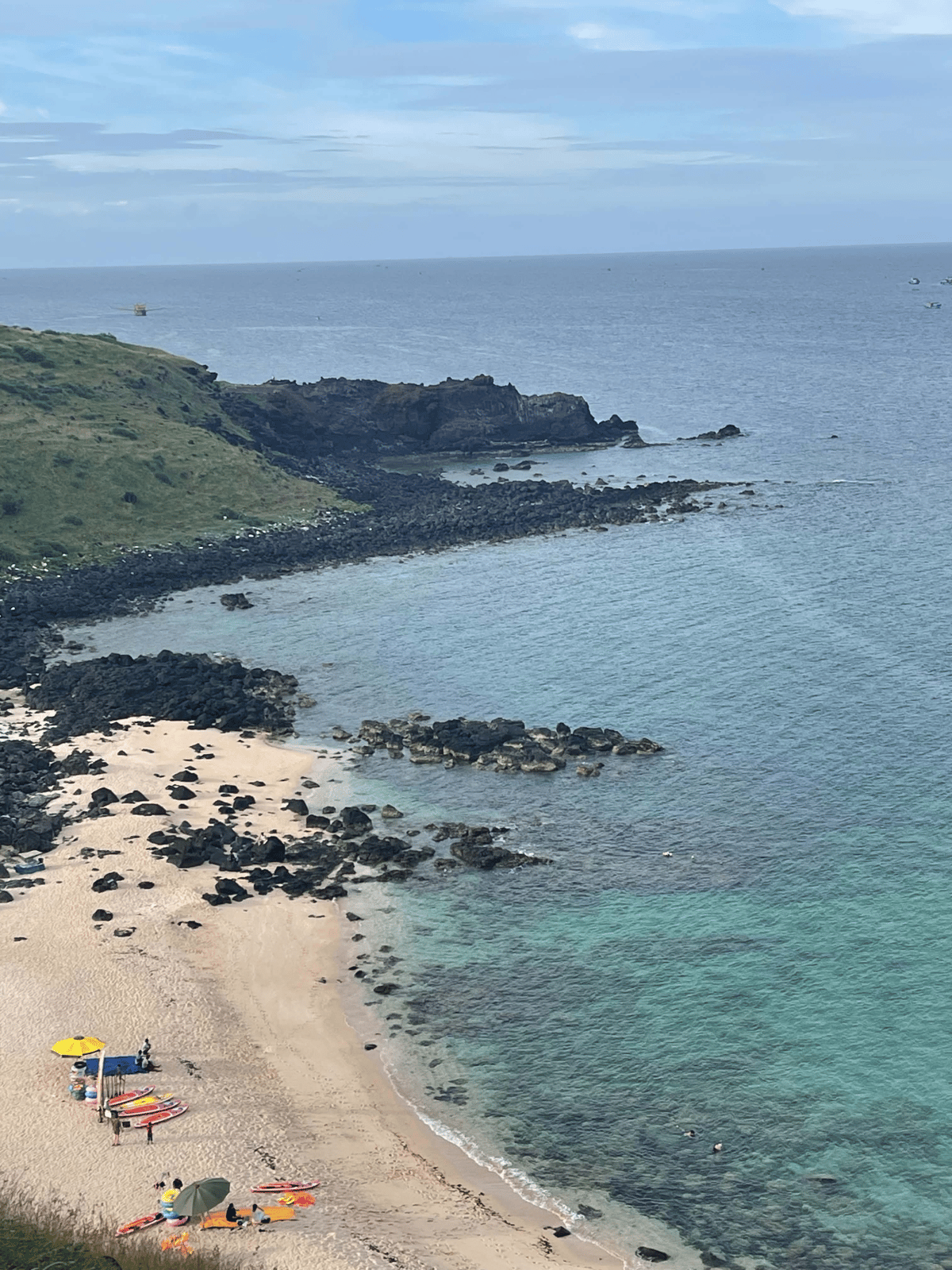
After breakfast, head to the departure point for a boat trip to Hon Tranh.
Hon Tranh is a small island close to Phu Quy, known for its clear water, rocky coastline and snorkelling opportunities.
Current tour listings show packages around VND 250,000–450,000/person, depending on what is included.
Typical activities:
Swimming
Snorkeling
Boat ride
Photography
Exploring the coastline
Recommended time: Around 3–4 hours.
My recommendation: This is the one activity where you should prioritise the weather. If the sea is calm and visibility is good, Hon Tranh can be one of the highlights of the whole trip. If the sea is rough, don't force the activity just because it is on the itinerary.
If the Hon Tranh tour runs later than expected, skip Đường Chi Nên and head directly to Hải Đảo Beach so you do not have to rush the afternoon.
Lunch at Hong Phat Phu Quy Fish Raft
After returning from Hon Tranh, I’d recommend you have lunch at Hong Phat Phu Quy Fish Raft.
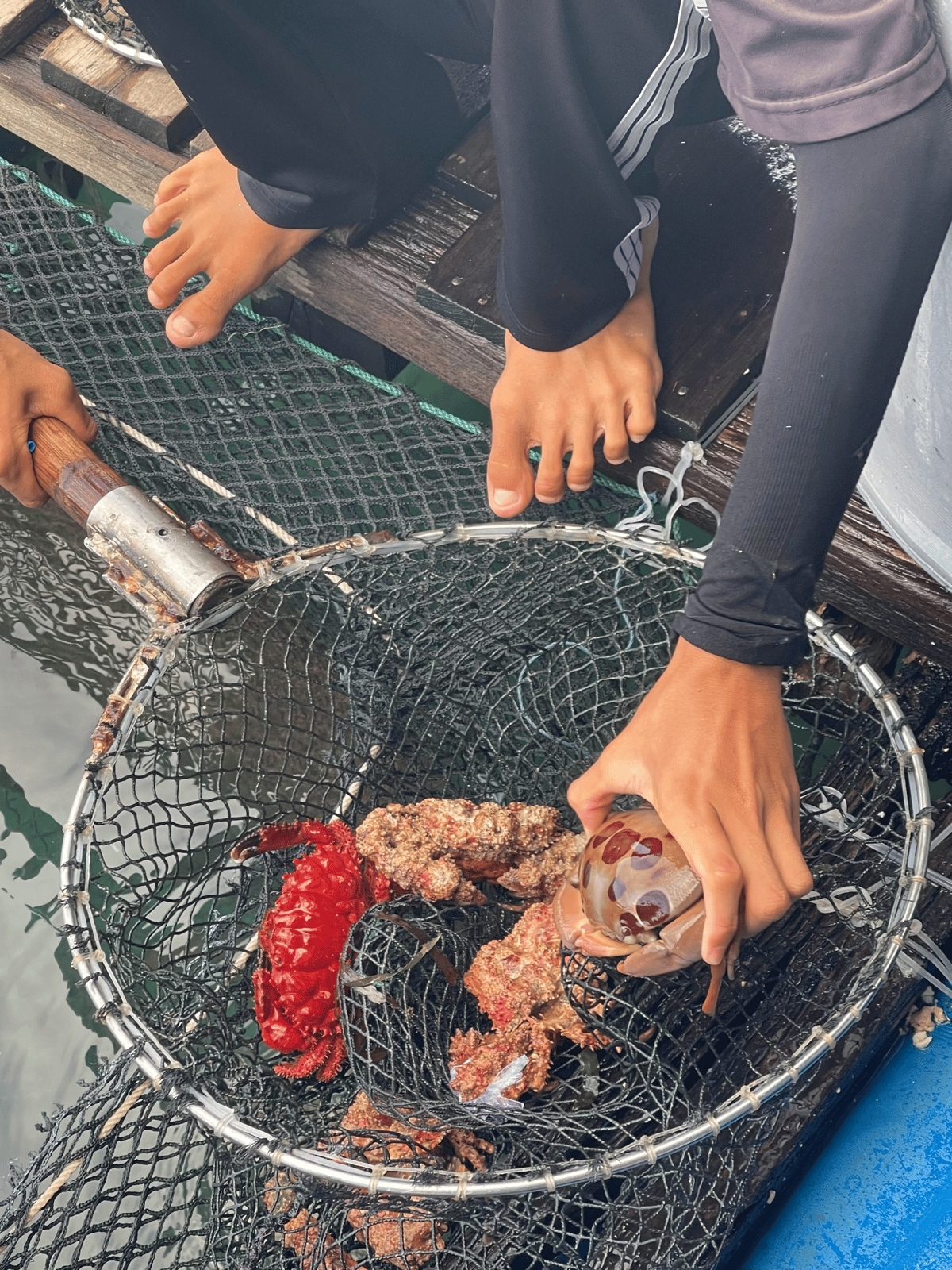
The restaurant is a floating seafood raft, so you are literally eating over the water.
Estimated cost: around VND 200,000–700,000/person, depending on the seafood you choose.
For a normal meal, I would budget around VND 300,000–500,000/person.
My recommendation: This is where I would spend a little more on seafood. Ask about the catch of the day and choose fresh seafood that is priced by weight. That is usually a better way to experience a fishing island than ordering only standard menu dishes.
Cao Cát Mountain & Chi Nen Road
After lunch and a short rest, ride toward Cao Cat Mountain.
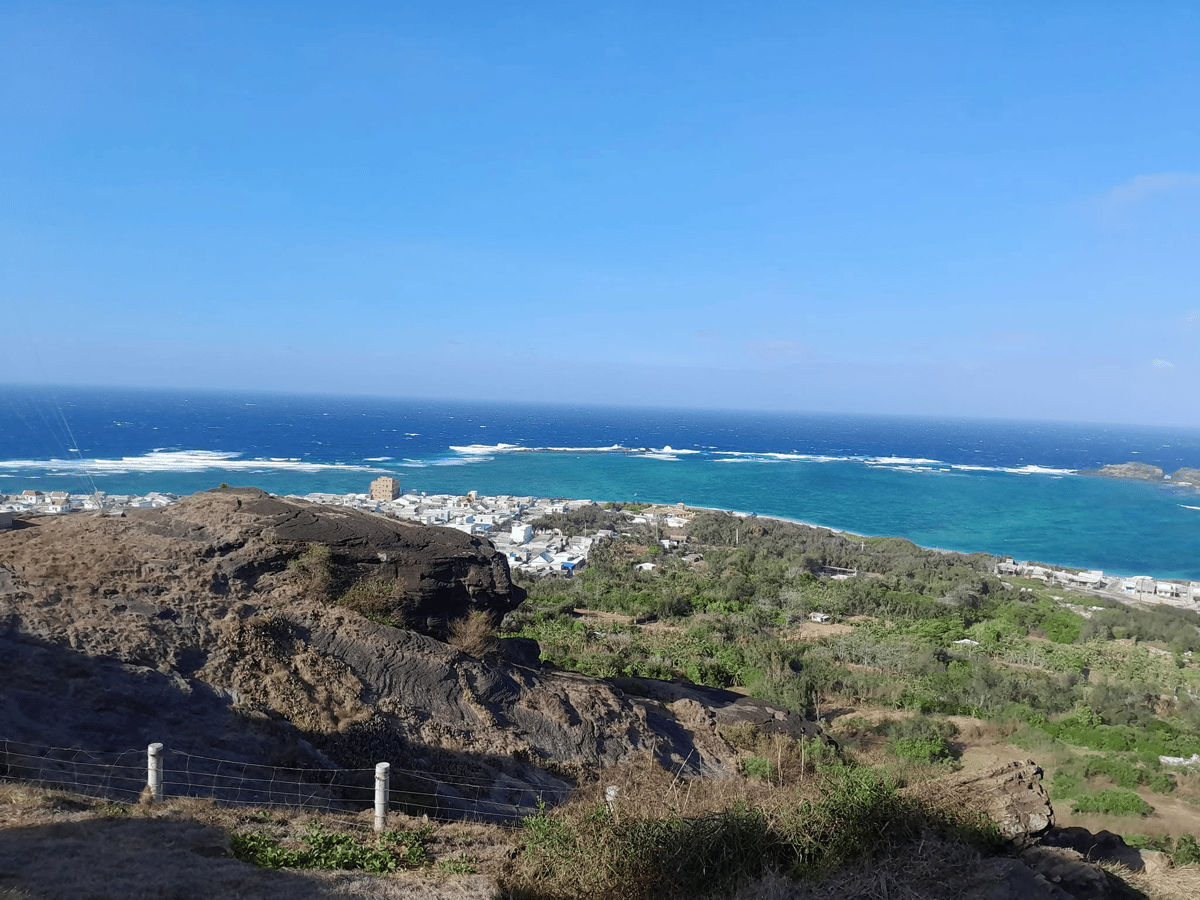
Cao Cát is one of the island's most recognisable natural landscapes, with unusual layered rock formations and an elevated view over the coastline. The area is also associated with Linh Son Pagoda.
Entrance: Free.
Recommended time: 1–1.5 hours.
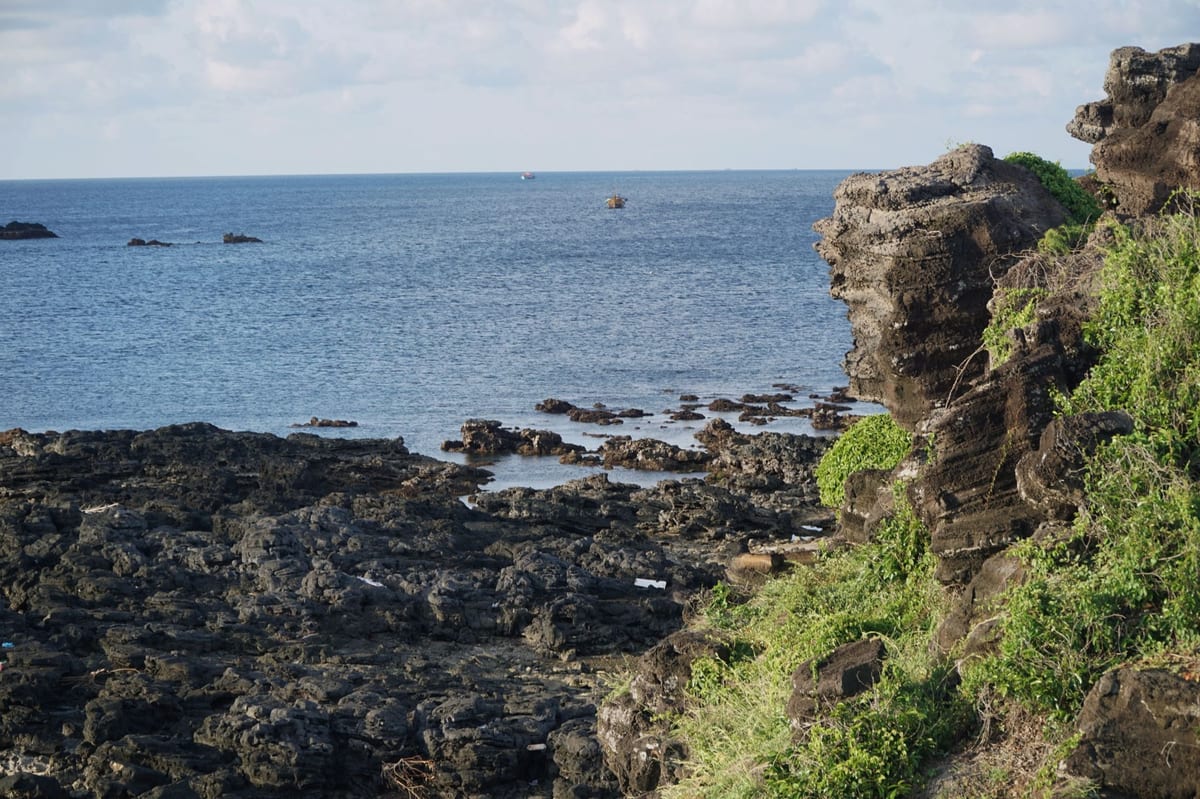
After Cao Cát, continue along Chi Nen Road, a scenic road that is particularly popular for photography.
My recommendation: Come in the afternoon rather than at noon. The light is softer, the temperature is more comfortable, and the landscape looks much better in photographs.
Hải Đảo Beach & sunset
After sightseeing, slow the pace down at Hải Đảo Beach.
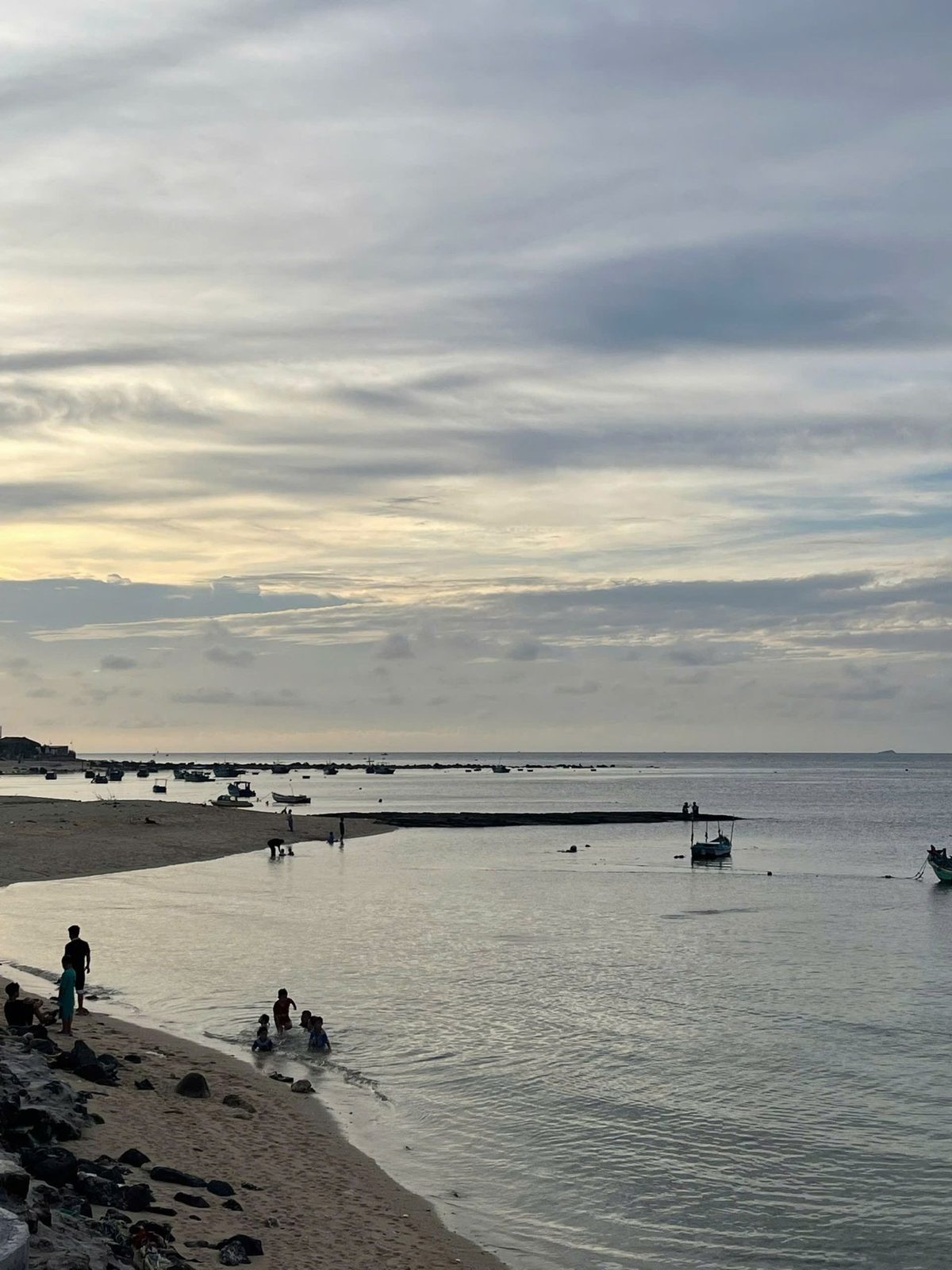
Spend some time swimming or simply sitting beside the water before sunset.
Entrance: Generally free.
Recommended time: 1–2 hours.
My recommendation: Don't try to squeeze another attraction into this time slot. After a morning boat trip and an afternoon of sightseeing, this is the perfect time to relax.
BBQ at Bai Can
For dinner, head to BBQ Bãi Cạn at 10 Nguyen Thong, Phu Long.
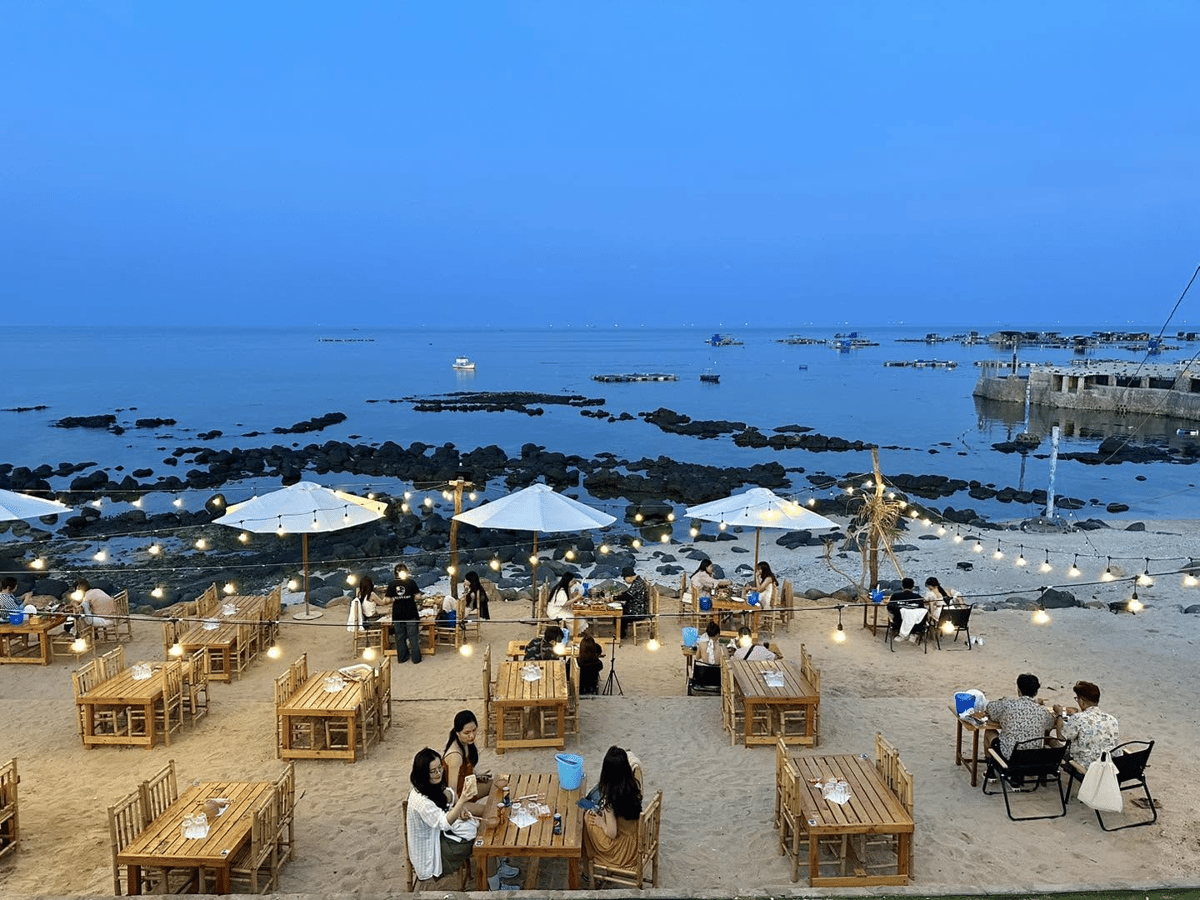
The current listed price range is around VND 200,000–300,000/person.
This is a casual seafood BBQ rather than a formal restaurant experience.
Estimated budget: VND 200,000–350,000/person.
My recommendation: This is a good second-night dinner because you can keep things simple after a busy day. Order several seafood dishes to share and enjoy the relaxed atmosphere rather than trying to have another large meal.
Day 3: One last morning on Phu Quy and back to Ho Chi Minh City
For the last day, book an early-afternoon ferry if the schedule allows. That gives you enough time for one more ride around the island without spending the whole morning waiting to leave.
Start with breakfast, then ride to Phu Quy Lighthouse on Cam Mountain. You need to climb a set of stairs to reach it, but the view from the top stretches across a large part of the island and the sea. Entry is free, although you can leave a small donation for maintenance.
After that, head to Van An Thanh (Lang Nam Hai) near the port. This small whale temple is tied to the fishing culture of the island and displays marine skeletons, including a large whale skeleton. It is not always open, so treat this as a quick stop rather than something to build the morning around.
Have an early lunch before returning to your accommodation, picking up your luggage and returning the motorbike. If there is anything you want to take home, dried seafood is easy to find around the island and makes more sense than trying to squeeze in another attraction.
Then head to Phu Quy Port for the ferry back to Phan Thiet. Phu Quy Express asks passengers to arrive at least 30 minutes before departure, and I would give myself a little more time if I had luggage. Ferry times change by day and can also be adjusted because of weather and sea conditions.
Once you arrive in Phan Thiet, take a taxi or Grab to your limousine pick-up point and continue back to Ho Chi Minh City.
How much does this 3-day Phu Quy itinerary cost?
If you follow this 3-day, 2-night Phu Quy itinerary, I would budget around 3,200,000–4,600,000 VND ($123–$176) per person, assuming two people share a room and a motorbike.
Here is roughly where the money goes:
Expense | Estimated cost per person |
Ho Chi Minh City ↔ Phan Thiet limousine | 420,000–890,000 VND ($16–$34) |
Phan Thiet ↔ Phu Quy ferry | 700,000–800,000 VND ($27–$31) |
2 nights at Chanky Hotel, shared by two | 390,000–430,000 VND ($15–$16) |
Motorbike rental for 3 days, shared by two | 150,000–180,000 VND ($6–$7) |
Day 1 food | 250,000–500,000 VND ($10–$19) |
Hon Tranh tour | 250,000–450,000 VND ($10–$17) |
Day 2 breakfast, fish raft lunch and BBQ dinner | 520,000–900,000 VND ($20–$34) |
Day 3 meals, fuel, drinks and small extras | 250,000–400,000 VND ($10–$15) |
That puts the trip at roughly 2,930,000–4,550,000 VND ($112–$174) per person before personal shopping. In practice, I would prepare around 3.2–4.6 million VND ($123–$176) per person to leave some room for changing seafood prices, drinks and other small expenses.
If you stay at Lalaland Retreat instead of Chanky Hotel, expect to spend more on accommodation. Based on the rates above, two nights at Lalaland would cost roughly 1,160,000–1,970,000 VND ($44–$76) per person when two people share a room, compared with around 390,000–430,000 VND ($15–$16) per person at Chanky Hotel.
The estimate above covers the three days and two nights on Phu Quy Island. If you follow my recommendation to travel to Phan Thiet the evening before an early ferry, add one night in Phan Thiet plus dinner and local transport to your overall trip budget.
Phu Quy travel tips and FAQs
Essential tips for visiting Phu Quy Island
Check the sea conditions before you leave. A sunny forecast does not always mean the water will be calm. Check your ferry again before heading to Phan Thiet, especially if the forecast shows strong wind or rough seas.
Book the ferry both ways. This matters most on weekends and public holidays. Phu Quy Express, for example, specifically encourages early booking around the September 2 holiday, when demand is higher.
Do not underestimate the ferry ride. The crossing can be uncomfortable when the sea gets rough. Vietnam Tourism recommends taking motion-sickness medication beforehand if you are prone to seasickness.
Ask your homestay about a motorbike before you arrive. Some places can arrange one and have it waiting at the port. A normal rental is around 100,000–150,000 VND per day, depending on whether you choose a manual bike or scooter. Check the brakes, tyres, and lights before riding away.
Carry cash. There are ATMs on Phu Quy, but not many. Vietnam Tourism recommends withdrawing money before the trip, which is easier than relying on an ATM once you are on the island.
Leave Hon Tranh flexible. Do not make one exact snorkelling departure the part of the itinerary that everything else depends on. If the sea is rough, the boat operator may have to move or cancel the trip.
Bring sunscreen and something to cover up. You will spend a lot of time outside, and the wind can make it easy to underestimate the sun. Shoes or sandals with decent grip are also useful around the rocky coast.
Leave the coral alone. Do not stand on it, pick it up or break pieces off while snorkelling.
Phu Quy Island FAQs
Can foreigners visit Phu Quy Island?
Yes. Foreign travellers no longer need the separate travel permit that Phu Quy required in the past. The requirement was removed in September 2020.
Your accommodation still needs to register foreign guests for temporary residence, just as hotels and homestays elsewhere in Vietnam do. Phu Quy police were actively checking and guiding accommodation providers on this process during the 2026 summer travel season.
Does Grab work on Phu Quy Island?
I would not plan around Grab.
Recent travellers in 2026 report that Grab was not available on the island, and a recent Booking.com guest reported the same thing. Most visitors rent a motorbike or ask their accommodation to arrange transport instead.
That is traveller-reported rather than an official Grab service announcement, so availability could change.
Do I need a motorbike on Phu Quy?
For this itinerary, a motorbike makes things much easier.
The island is small, and most of the places in this guide are easy to connect by road. You can also have a rental delivered to the port rather than finding one after you arrive.
If you are visiting from overseas, check your licence before renting. Under current Vietnamese law, a qualifying international driving permit must be accompanied by the corresponding national licence and cover the class of vehicle you are riding.
Is Phu Quy expensive?
Once you reach the island, it can still be a fairly affordable trip. A motorbike is around 100,000–150,000 VND per day, and there are plenty of simple homestays and local places to eat.
The part that pushes the budget up is getting there, since you need transport to Phan Thiet plus ferry tickets in both directions.
For seafood sold by weight, ask the price before ordering.
Do I need cash on Phu Quy?
Yes. There are ATMs, but Vietnam Tourism specifically notes that they are in short supply. I would withdraw enough cash in Phan Thiet before boarding the ferry.
Will I get seasick on the ferry to Phu Quy?
Not everyone does, but the crossing can get rough.
If you already know that boats make you sick, prepare before boarding. Vietnam Tourism advises travellers who are prone to seasickness to take motion-sickness medication beforehand.
Can I add Phu Quy to a longer Vietnam trip?
Yes, but give it enough time. From Ho Chi Minh City, reaching Phu Quy means travelling to Phan Thiet first and then taking the ferry, so I would not squeeze the island into a one-night gap.
If Phu Quy is only one stop on your first trip to the country, our 2-week Vietnam itinerary can help you work out the main route first.
Are mosquitoes a problem on Phu Quy Island?
I would pack repellent.
There is not much evidence that Phu Quy has an unusual mosquito problem compared with the rest of southern Vietnam, so I would not exaggerate this point. Dengue is endemic in Vietnam, however, and both CDC and WHO recommend preventing mosquito bites.
For practical prevention tips, see our guide to avoiding mosquito bites in Vietnam.
How we make money: some links in this article are affiliate links. If you book through one we earn a small commission, at no extra cost to you. It never changes what we recommend.